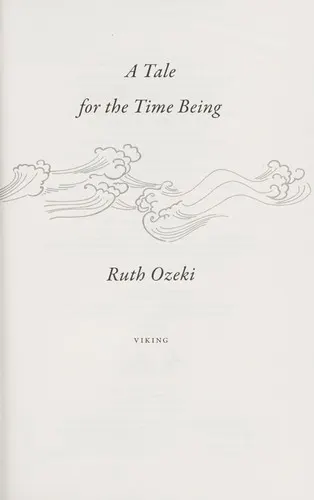
Books like A Tale for the Time Being
Ozeki’s novel creates a hunger for fiction in which reading is an act of rescue: formally daring, spiritually curious, alive to catastrophe, yet intimate enough to make one stranger’s voice feel indispensable.
If you liked A Tale for the Time Being, you’ll love these
Not lookalikes — kindred books. Each one shares something essential with A Tale for the Time Being, and we tell you exactly what.
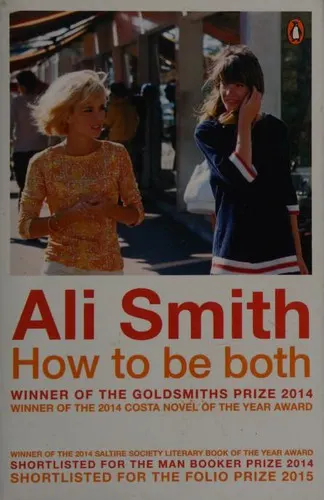
Smith binds two lives—one belonging to a grieving contemporary teenager, the other to Renaissance painter Francesco del Cossa—into a novel whose halves can be read in either order. That ingenious design is not a puzzle-box gimmick: it makes time feel permeable and turns art into a conversation between people who can never meet.
Like Ozeki, Smith trusts the reader to live with ambiguity, notice echoes, and help create meaning. Her prose is quick, funny, mournful, and exhilaratingly alert to how looking at another person can become an ethical act. Winner of the Goldsmiths Prize and shortlisted for the Booker, How to Be Both is one of the rare experimental novels readers cherish not despite its audacity but because that audacity intensifies its tenderness.
The best reason to return to Ozeki is not familiarity but transformation. After his father dies, Benny Oh begins hearing voices from the objects around him; meanwhile, the book we are reading develops a voice—and intentions—of its own. From that wonderfully strange beginning, Ozeki explores grief, hoarding, consumer culture, mental illness, and Zen ideas about what things are and how we cling to them.
It has the same capacious compassion as A Tale for the Time Being: Ozeki refuses to reduce damaged people to diagnoses or eccentricities, and she lets philosophical questions emerge through vivid, unruly lives. Winner of the Women’s Prize for Fiction, it is warmer, funnier, and more formally mischievous than its weighty subjects suggest. Few novels make the physical presence of a book feel so mysterious or so consoling.
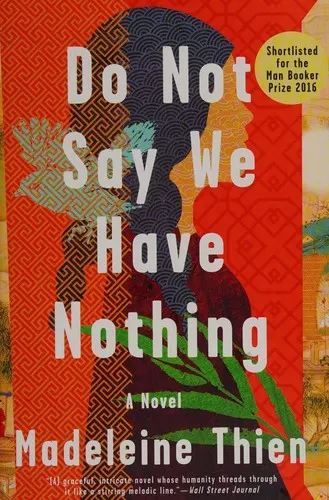
Thien begins with a young woman in Vancouver receiving a visitor who carries her toward a buried family history. From notebooks, stories, and music, an intimate archive gradually takes shape. The novel asks a question Ozeki’s readers will recognize: what obligations arise when another person entrusts you with their past?
Thien’s canvas is vast, but her power lies in precision—the private joke, the copied page, the piece of music that preserves what official history tries to erase. Lives separated by geography and generations begin to answer one another without losing their singularity. This Giller Prize winner and Booker finalist earns its scale through emotional accumulation; by the end, reading itself feels like remembrance, witness, and resistance. Missing it means missing one of the finest modern novels about how art carries human beings through history.