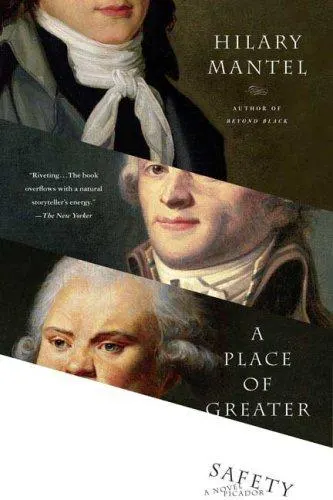
Books like A Place of Greater Safety
The air is electric with argument: friendship hardens into faction, jokes acquire a lethal edge, and private appetites keep pulsing beneath history’s grand abstractions.
If you liked A Place of Greater Safety, you’ll love these
Not lookalikes — kindred books. Each one shares something essential with A Place of Greater Safety, and we tell you exactly what.
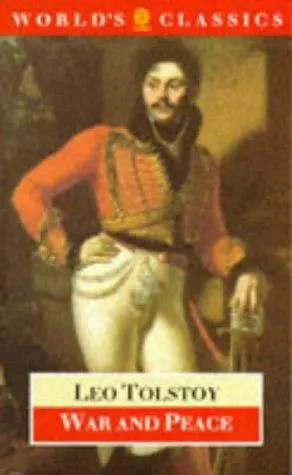
Tolstoy begins at a drawing-room party where gossip, flirtation and an argument about Napoleon are already inseparable. Like Mantel, he makes history feel neither inevitable nor abstract: it emerges from vanity, misjudgment, loyalty, physical fear and thousands of improvised decisions.
Its monumental reputation can obscure how quick, funny and socially exact it is. Tolstoy moves effortlessly from political theory to an embarrassing conversation or a minute shift in affection, while questioning whether celebrated leaders understand events any better than anyone else. If you loved Mantel’s collision of intimate lives with public catastrophe, this is the inexhaustible source.
Évariste Gamelin is a struggling young painter whose austere Jacobin convictions give shape to his humiliations and hopes. Anatole France watches political faith enter the nerves: ideals become tastes, reflexes and permissions. His irony is devastating because he never treats belief as mere hypocrisy; sincerity itself can become dangerous.
Written by a future Nobel laureate, this compact novel has none of a monument’s dust. It is lucid, sensuous and bitterly comic, with the same unsettling traffic between desire and doctrine that animates Mantel’s revolutionaries. Few novels show more precisely how a person can mistake moral certainty for moral innocence.
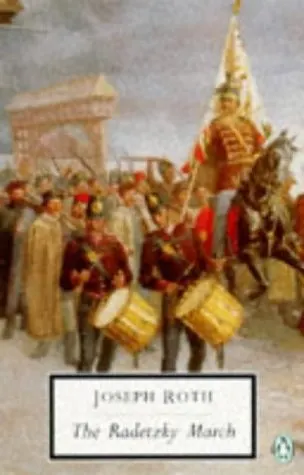
The novel opens with a soldier saving the emperor’s life—and then discovering that official history has improved his brave, accidental act into patriotic legend. From that superb beginning, Roth traces how individuals inhabit a political order whose rituals still look solid even as its meaning drains away.
Where Mantel gives revolution its fever, Roth gives a dying regime its melancholy heartbeat. His characters are compromised, tender, absurd and often unable to name what is happening around them; uniforms, debts, fathers and small social humiliations carry the weight of an empire. A defining novel of Habsburg decline, it leaves many readers devoted to Roth’s rare mixture of elegance, comedy and approaching doom.