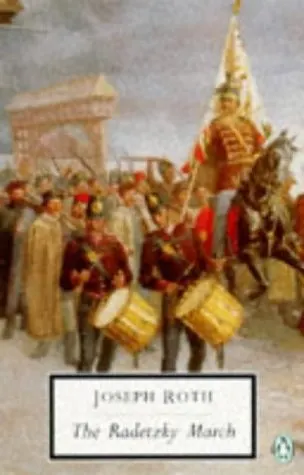
Books like Radetzky March
Radetzky March and The Leopard turn the collapse of an old order into something intimate, ironic, and almost unbearably beautiful.
If you liked Radetzky March, you’ll love these
Not lookalikes — kindred books. Each one shares something essential with Radetzky March, and we tell you exactly what.
Prince Fabrizio watches aristocratic Sicily enter a new political age with the same lucid, divided loyalty that Roth brings to the Habsburg world. He recognizes his class’s vanity and obsolescence, yet understands the dignity encoded in its rituals. Lampedusa’s irony is never merely satirical: every glittering room, family calculation, and gesture of accommodation carries an undertow of loss.
Published posthumously and now regarded as one of the supreme historical novels, The Leopard has Roth’s rare ability to make decline feel at once political, domestic, and bodily. Its magnificent set pieces and devastating intelligence make it less a companion to Radetzky March than its Sicilian equal.
If you loved how Roth uses one family’s failures to diagnose an entire society, read The Maias. Eça follows a wealthy Portuguese dynasty while casting a mercilessly funny eye over Lisbon’s politicians, journalists, artists, and fashionable frauds. The comedy is sharper and more exuberant than Roth’s, but beneath it lies the same question: what happens when cultivated people inherit traditions they can neither renew nor quite escape?
Often considered Eça’s masterpiece and a cornerstone of Portuguese literature, the novel combines social comedy with mounting emotional gravity. Its world is so pleasurable to inhabit—sumptuous houses, brilliant talk, romantic self-deception—that its judgment arrives almost invisibly. By the end, private waste and national stagnation have become inseparable.
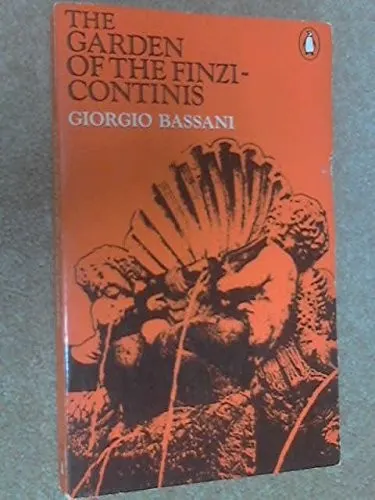
Bassani shares Roth’s gift for writing under the pressure of foreknown disaster. His narrator remembers an aristocratic Jewish family in Fascist Ferrara, especially the seductive, secluded world around their garden and tennis court. Because history’s verdict is present from the outset, ordinary hesitations, invitations, snobberies, and missed chances acquire extraordinary weight.
This modern Italian classic is quieter and more intimate than Radetzky March, but its emotional method is closely akin: restraint deepens grief, privilege offers no protection, and nostalgia is constantly corrected by moral intelligence. Few novels show so precisely how a vanished world can remain enchanting without being idealized.