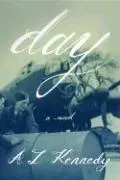
Books like Day
J. L. Carr turns a veteran’s pain into a quiet summer elegy; James Kelman drives comparable damage through a torrent of furious, blackly comic speech. W. G. Sebald offers a third route into the territory Day inhabits so powerfully: memory as something reconstructed from places, images and evasions.
If you liked Day, you’ll love these
Not lookalikes — kindred books. Each one shares something essential with Day, and we tell you exactly what.
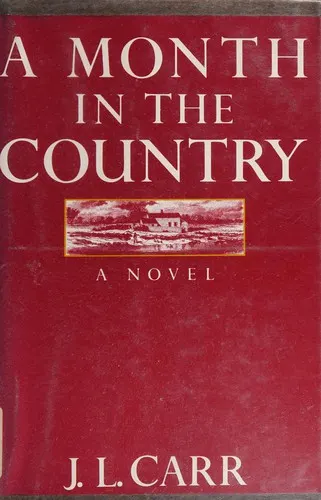
Tom Birkin arrives in a Yorkshire village to uncover a medieval wall painting, carrying wounds from the First World War that Carr renders through reticence rather than diagnosis. Like Kennedy, he understands how work, companionship and a fleeting possibility of love can briefly give shape to a damaged life.
This is a short novel with extraordinary emotional depth: sunlight, awkward conversations and minute discoveries accumulate until they seem almost unbearably precious. Carr’s retrospective narration also creates the double vision that makes Day so moving—the experience itself and the older consciousness measuring what has been lost. Long cherished by writers and readers as a near-perfect English novel, it achieves in barely a hundred pages what larger books often cannot.
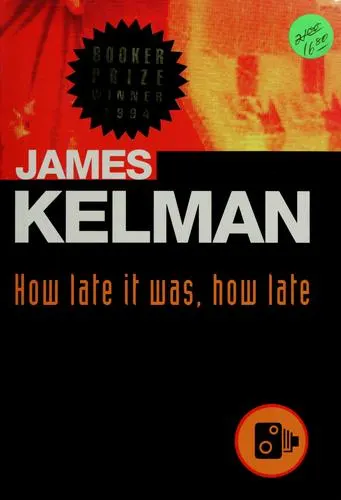
Sammy wakes after a drinking binge, collides with the police and discovers that the world has become terrifyingly difficult to navigate. Kelman places the reader inside his language: profane, repetitive, suspicious, funny and ceaselessly resourceful. Anyone who loved Kennedy’s intimate rendering of Alfred Day’s working-class consciousness will recognize the same refusal to translate a vulnerable man into respectable literary terms.
The kinship lies especially in the comedy. Pain does not make either novel solemn; jokes become a survival mechanism, while institutions answer bewilderment with forms, disbelief and casual cruelty. Kelman’s uncompromising voice divided opinion when it won the Booker Prize, but that controversy now seems part of its importance. Few British novels have defended an ordinary man’s inner life with such formal daring or such stubborn tenderness.
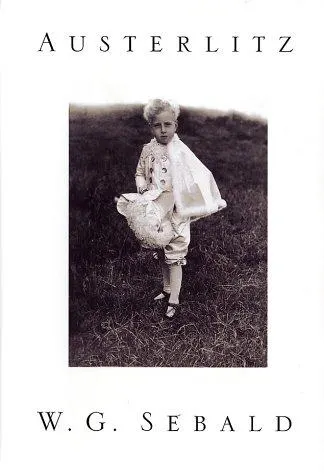
Sebald begins with railway stations, waiting rooms, photographs and encounters with the enigmatic Jacques Austerlitz, whose architectural observations gradually acquire an emotional pressure far beyond their ostensible subject. The long, drifting sentences reproduce the workings of memory itself: indirect, associative and liable to circle what cannot yet be faced.
Day repeatedly collapses the boundary between reenactment and recollection; Austerlitz creates a similarly uncanny sense that the past remains embedded in buildings, objects and gestures. Its photographs do not simply authenticate the narrative—they make certainty more elusive. Widely regarded as Sebald’s masterpiece, and winner of the National Book Critics Circle Award, it is one of the essential novels about how history enters private consciousness. Its haunting final effect is difficult to find anywhere else.