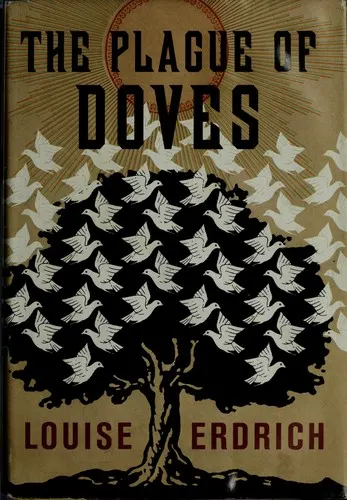
Books like The Plague of Doves
In The Plague of Doves, truth belongs not to the best detective but to the whole quarrelsome chorus: every account rearranges guilt, kinship, and memory.
If you liked The Plague of Doves, you’ll love these
Not lookalikes — kindred books. Each one shares something essential with The Plague of Doves, and we tell you exactly what.
This is the essential next Erdrich: an earlier, National Book Critics Circle Award–winning masterpiece in which the Kashpaw and Lamartine families emerge through competing voices, skipped decades, jokes, betrayals, and fiercely imperfect acts of care.
Like The Plague of Doves, it trusts the reader to assemble a community from fragments. A person who seems ridiculous in one story becomes heartbreaking in another; old grievances turn out to be forms of attachment. Beginning with June Kashpaw’s Easter journey, Erdrich makes every return to the family feel both inevitable and surprising. The novel established the storytelling method she later brought to dazzling maturity—and its mixture of mischief, grief, and unsentimental love is indispensable.
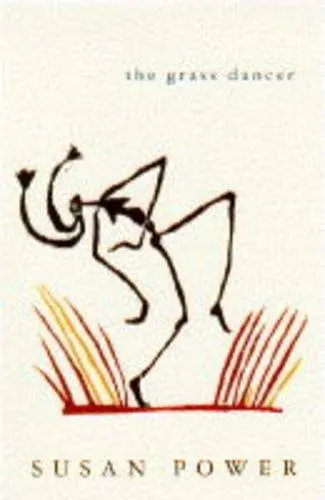
Susan Power’s debut moves among generations of a Dakota community, letting Harley Wind Soldier, Charlene Thunder, and the formidable Thunder women inherit stories whose consequences remain vividly alive. The supernatural is not decorative “magic” but part of how history, desire, and obligation are understood.
A reader who loved Erdrich’s shifting narrators will relish the way Power makes each new voice revise what came before. Yet her music is distinctly her own: sensuous, mischievous, dreamlike, and capable of sudden emotional force. Winner of the PEN/Hemingway Award, The Grass Dancer has earned lasting devotion as one of the richest Native American family novels of its generation.
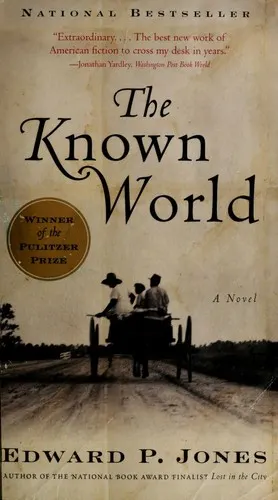
Edward P. Jones begins with a devastating historical contradiction: Henry Townsend, once enslaved, has become an owner of enslaved people in antebellum Virginia. From that premise, the novel expands into an entire county’s moral anatomy—families, laborers, officials, neighbors, and descendants bound together by arrangements none of them fully controls.
The kinship with The Plague of Doves lies in Jones’s refusal to isolate guilt in one villain or one event. His omniscient narrator moves freely through time, sometimes revealing in a sentence how a life will be remembered generations later. The effect is panoramic yet intimate: every minor figure possesses a hidden history, and every certainty acquires another side. Its Pulitzer Prize is commensurate with its achievement; few American novels make a whole community feel so alive while judging it so subtly.