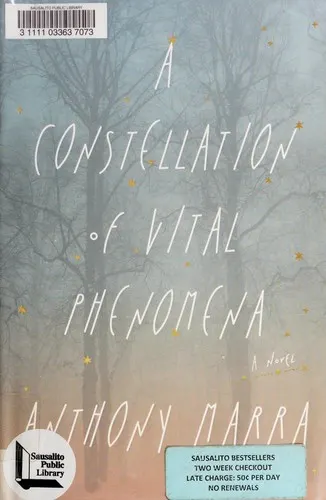
Books like A Constellation of Vital Phenomena
Start in 1980s Chicago, where the catastrophe is an epidemic rather than a war. These novels share Marra’s deeper gifts: interlocking lives, history felt at the scale of friendship, flashes of humor amid terror, and acts of care whose consequences travel across decades.
If you liked A Constellation of Vital Phenomena, you’ll love these
Not lookalikes — kindred books. Each one shares something essential with A Constellation of Vital Phenomena, and we tell you exactly what.
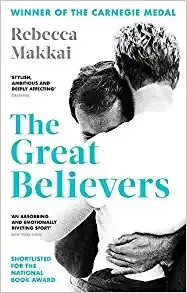
At a memorial gathering in 1985, Chicago’s gay community is already being hollowed out by AIDS; decades later, in Paris, one woman searches for her estranged daughter. Makkai braids these timelines with the same patient ingenuity Marra uses, revealing how private loyalties reverberate through history.
What makes this Pulitzer finalist such a powerful match is its refusal to reduce catastrophe to suffering. Its characters flirt, quarrel, make art, behave badly, and keep one another alive through jokes and practical kindness. Like Marra, Makkai understands that grief becomes overwhelming only when the lost have first been made irreducibly vivid.
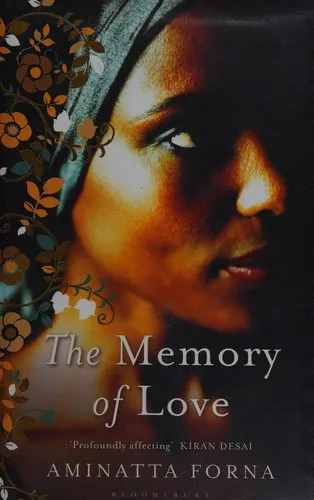
In postwar Sierra Leone, a British psychologist listens to an elderly man’s account of an obsessive love, while a gifted local surgeon works among people carrying wounds that medicine cannot neatly diagnose. Their stories gradually converge, exposing the intimate bargains and betrayals beneath a country’s public history.
Winner of the Commonwealth Writers’ Prize, Forna’s novel has Marra’s moral intelligence and structural precision. Violence is rarely treated as spectacle; it survives in habits, silences, friendships, and compromised memories. The revelations arrive quietly, then alter everything around them. Readers drawn to Marra’s belief that tenderness and culpability can occupy the same heart should not miss it.
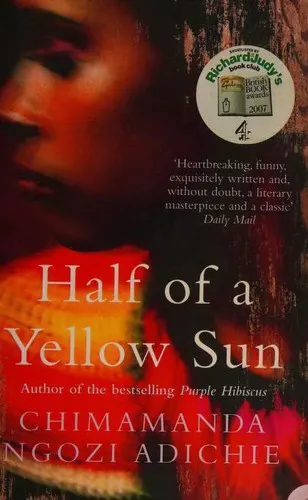
Adichie begins with Ugwu, a village boy newly employed by a charismatic university professor, then widens the story to include the professor’s glamorous partner and a diffident English writer. Through these sharply distinct perspectives, ordinary domestic life—meals, romances, intellectual arguments, jealousies—meets the gathering crisis of Biafra.
Like A Constellation of Vital Phenomena, this is a war novel whose deepest allegiance is to individual personality. Adichie’s people remain funny, vain, loving, frightened, and morally unpredictable even as history closes around them. The novel won the Orange Prize and was later chosen as the prize’s outstanding winner from its first decade; that acclaim reflects not dutiful admiration but the fierce attachment its characters inspire.