Author
Books like Yoko Ogawa
6 books we recommend to Yoko Ogawa readers, drawn from The Memory Police and The Housekeeper and the Professor — each with the reason why.
If you loved The Memory Police

Kavan turns catastrophe into a lucid, recurring nightmare. A nameless narrator travels through a world being consumed by ice while pursuing an elusive young woman; places and motives shift with dream logic, yet every frozen landscape feels terrifyingly exact.
Like Ogawa, Kavan refuses the reassuring machinery of conventional dystopia. The menace is at once political, psychological, and almost mythic, and her crystalline prose makes beauty inseparable from dread. Once neglected, Ice has become a fiercely admired cult classic because it does something few novels can: it makes the end of the world feel like an intimate obsession. Readers susceptible to The Memory Police’s calm unreality should not miss its colder, wilder cousin.
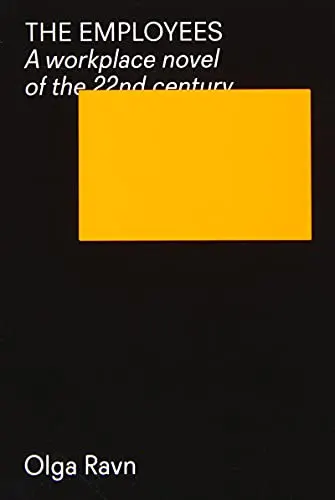
On a spacecraft staffed by humans and humanoids, a committee collects statements about strange objects brought aboard. From these brief testimonies emerges a chorus of longing: for touch, scent, childhood, mortality, and a home that may exist only in memory.
Shortlisted for the International Booker Prize, Ravn’s novel is formally daring without being chilly. Its bureaucratic fragments gradually acquire extraordinary emotional pressure, much as Ogawa’s disappearing objects reveal how identity is stored in the material world. The Employees is tiny enough to read in an evening, but its questions—what makes a person, and who benefits when desire is regulated?—continue unfolding afterward.
Ishiguro’s narrator, Kathy, recalls her childhood at an apparently idyllic English boarding school, dwelling on friendships, jealousies, treasured possessions, and the teachers’ oddly guarded behavior. The novel’s force lies not in a sensational revelation but in how ordinary language accommodates an intolerable reality.
That makes it a profound companion to The Memory Police. Both novels understand that authoritarian cruelty need not arrive shouting: it can be absorbed into habits, euphemisms, and the limits of what people allow themselves to ask. Ishiguro’s restraint is devastating, and the tenderness among his characters never becomes sentimental. Widely regarded as one of his finest novels, it leaves readers mourning not only what is taken from people, but how thoroughly they can be taught to accept the taking.
If you loved The Housekeeper and the Professor
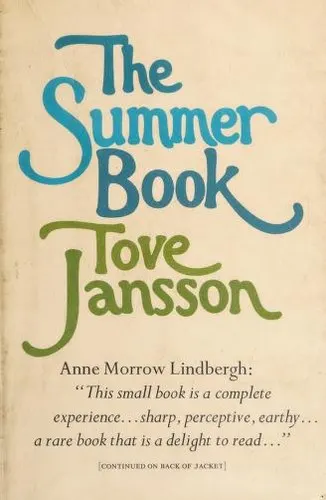
On a small Finnish island, a young girl and her grandmother talk, quarrel, explore, and contemplate death, God, weather, and other mysteries. Jansson builds their bond from brief episodes rather than dramatic declarations; affection appears in teasing, patience, irritation, and the freedom each gives the other.
Like Ogawa, she writes about a child’s encounter with an unusual older mind, combining philosophical curiosity with unsentimental warmth. The lucid prose and tiny shifts of feeling make this beloved 1972 novel—now a classic of Jansson’s adult work—seem inexhaustible. It is the rare book that can be read in an afternoon and remembered for decades.
Sentaro reluctantly runs a dorayaki shop until Tokue, an elderly woman with visibly misshapen hands, asks to work for him. Her red-bean paste is extraordinary because she treats cooking as an act of listening: the beans must be noticed rather than merely processed.
That conviction will feel intimately familiar to an Ogawa reader. Skill becomes a private language between lonely people; routine creates an improvised family; apparent frailty conceals a complete and demanding way of seeing. Sukegawa’s internationally cherished novel, later adapted into Naomi Kawase’s acclaimed film, earns its emotion through tactile particulars—the steam, sweetness, repetition, and care of daily work. Its gentleness is not softness but moral force.
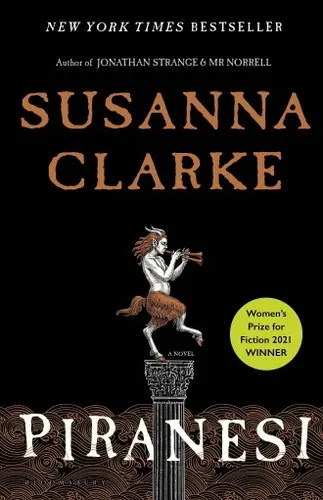
Piranesi lives in an immense House of halls, statues, clouds, and tides. He records its wonders with scrupulous precision, numbering what he sees and trusting that order can make the world intelligible. His journals initially feel strange, but his openhearted, methodical voice soon becomes irresistible.
Readers who loved the Professor’s numerical rituals and the poignancy of a mind preserving reality through patterns may find this novel uncannily moving. Clarke turns cataloguing into devotion and solitude into wonder, while allowing unease to gather almost invisibly beneath the beauty. Winner of the Women’s Prize, Piranesi inspires unusual readerly devotion because it does more than offer an ingenious mystery: it changes the emotional meaning of innocence, knowledge, and attention.