Books like The Housekeeper and the Professor
Attention. Ogawa’s novel turns careful noticing—of numbers, gestures, meals, and vanishing memories—into a form of love. These three books share that quiet faith in tenderness without imitating her story.
If you liked The Housekeeper and the Professor, you’ll love these
Not lookalikes — kindred books. Each one shares something essential with The Housekeeper and the Professor, and we tell you exactly what.
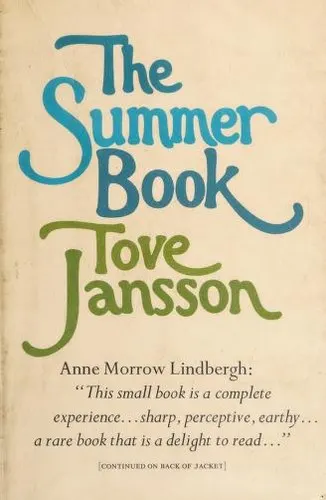
On a small Finnish island, a young girl and her grandmother talk, quarrel, explore, and contemplate death, God, weather, and other mysteries. Jansson builds their bond from brief episodes rather than dramatic declarations; affection appears in teasing, patience, irritation, and the freedom each gives the other.
Like Ogawa, she writes about a child’s encounter with an unusual older mind, combining philosophical curiosity with unsentimental warmth. The lucid prose and tiny shifts of feeling make this beloved 1972 novel—now a classic of Jansson’s adult work—seem inexhaustible. It is the rare book that can be read in an afternoon and remembered for decades.
Sentaro reluctantly runs a dorayaki shop until Tokue, an elderly woman with visibly misshapen hands, asks to work for him. Her red-bean paste is extraordinary because she treats cooking as an act of listening: the beans must be noticed rather than merely processed.
That conviction will feel intimately familiar to an Ogawa reader. Skill becomes a private language between lonely people; routine creates an improvised family; apparent frailty conceals a complete and demanding way of seeing. Sukegawa’s internationally cherished novel, later adapted into Naomi Kawase’s acclaimed film, earns its emotion through tactile particulars—the steam, sweetness, repetition, and care of daily work. Its gentleness is not softness but moral force.

Piranesi lives in an immense House of halls, statues, clouds, and tides. He records its wonders with scrupulous precision, numbering what he sees and trusting that order can make the world intelligible. His journals initially feel strange, but his openhearted, methodical voice soon becomes irresistible.
Readers who loved the Professor’s numerical rituals and the poignancy of a mind preserving reality through patterns may find this novel uncannily moving. Clarke turns cataloguing into devotion and solitude into wonder, while allowing unease to gather almost invisibly beneath the beauty. Winner of the Women’s Prize, Piranesi inspires unusual readerly devotion because it does more than offer an ingenious mystery: it changes the emotional meaning of innocence, knowledge, and attention.