Author
Books like V. C. Andrews
4 books we recommend to V. C. Andrews readers, drawn from Flowers in the Attic and My Sweet Audrina — each with the reason why.
If you loved Flowers in the Attic
Astrid’s mother, Ingrid, is glamorous, brilliant, and dangerously certain that her daughter belongs to her. When Ingrid is imprisoned, Astrid is sent through a succession of foster homes, carrying her mother’s influence even when she desperately wants to escape it.
What connects this acclaimed bestseller to Flowers in the Attic is not Gothic architecture but maternal betrayal: both novels understand the devastating power a beautiful, self-involved mother can hold over a daughter. Fitch gives Astrid the same compelling combination of watchfulness, vulnerability, and hard-won resilience that makes Cathy so memorable. The prose is sensuous and quotable, yet the emotional cruelty never becomes decorative. Its huge readership—and lasting devotion among readers who discovered it through Oprah’s Book Club—is deserved.
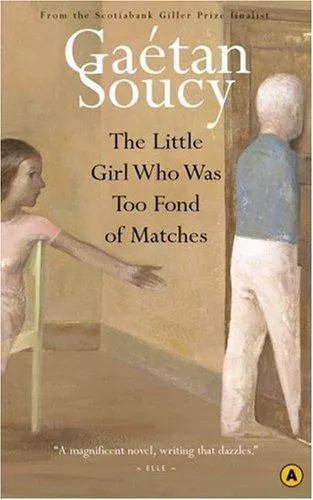
Two siblings have been raised in near-total isolation on a ruined estate by an authoritarian father whose private rules constitute their entire world. When that order suddenly collapses, one child ventures outside and begins discovering how profoundly their language, identities, and understanding of reality have been warped.
Soucy recreates the most disturbing pleasure of Flowers in the Attic: inhabiting the mind of a child who has normalized the unthinkable. The narrator’s strange, darkly comic voice turns every ordinary object into a mystery, while the household’s buried truths acquire the force of nightmare and fairy tale. This slender French-Canadian novel earned an international cult reputation because it is both grotesque and unexpectedly tender. It is the rare family Gothic capable of making Andrews’s excesses feel not imitated, but transformed into unsettling literary art.
If you loved My Sweet Audrina
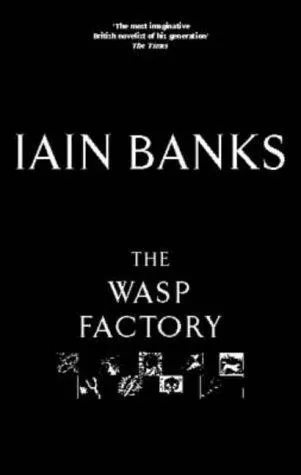
Frank lives an isolated life governed by private ceremonies, ominous inventions, and stories handed down by a domineering father. Like Audrina, Frank understands the self through a family mythology whose gaps and contradictions become increasingly impossible to ignore.
Banks’s notorious debut is harsher and more feral than Andrews, but it creates the same compulsive uncertainty: grotesquerie sits beside wounded innocence, and every confident statement may conceal manipulation. Its cult reputation rests on more than shock; this is an ingenious, psychologically exact novel about what happens when a parent controls the story of who a child is.
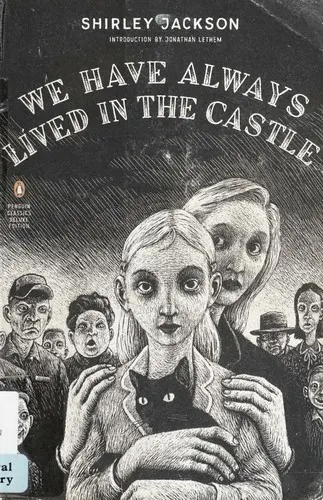
Merricat Blackwood lives with her sister and uncle in a grand house sealed off from a hostile village. She protects their strange domestic order with rules, buried objects, and magical thinking—until an unwelcome relative threatens the world she has constructed.
Jackson distills Gothic family dysfunction to near perfection. The house feels both sanctuary and trap; tenderness cannot be separated cleanly from control; and Merricat’s beguiling narration keeps changing the emotional meaning of what you see. Short, wickedly funny, and profoundly unsettling, this classic offers the same pleasure as My Sweet Audrina at its best: entering a closed family universe and realizing its logic is more disturbing than any conventional haunting.