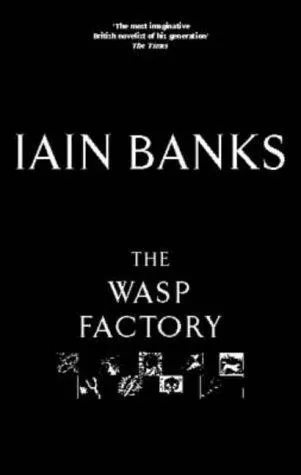
Books like The Wasp Factory
The ideal Banks reader enjoys being trapped inside a ferociously intelligent, deeply warped consciousness: one that turns cruelty into ritual, family history into private mythology, and horror into deadpan comedy.
If you liked The Wasp Factory, you’ll love these
Not lookalikes — kindred books. Each one shares something essential with The Wasp Factory, and we tell you exactly what.
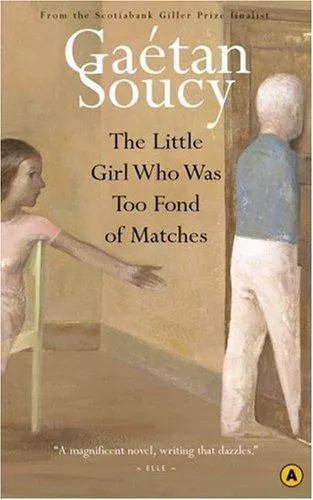
Two siblings have grown up in near-total isolation under their father’s bizarre rule. When that rule abruptly ends, one ventures beyond the estate and discovers that the family’s private account of reality may not survive contact with the outside world.
Soucy’s short Quebec Gothic is the closest match here to Banks’s uncanny achievement: an invented worldview conveyed in a voice that is lucid, funny, and profoundly unreliable. Its strange diction initially feels like another of the household’s imprisoning rituals; gradually, it becomes the key to understanding them. The novel has acquired a devoted international readership because its shocks are not gimmicks—they transform the meaning of the narrator’s language, body, and identity. If you loved the moment-by-moment unease of realizing that Frank’s certainty cannot be trusted, this is indispensable.
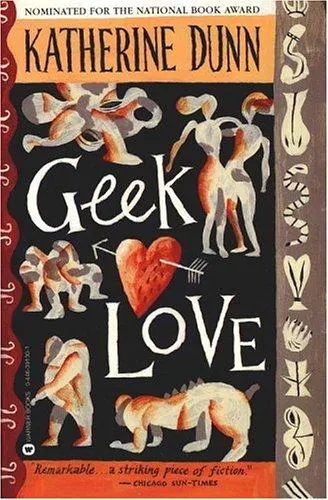
The Binewskis run a failing carnival, and their solution is to breed their own family of human attractions. Their daughter Olympia narrates the resulting history: sibling rivalries, worship, exploitation, and the dangerous charisma of a brother who turns bodily difference into a creed.
A National Book Award finalist that became a fiercely beloved cult novel, Geek Love matches Banks not through setting but through its refusal of normal moral coordinates. Dunn makes the grotesque intimate and the intimate grotesque; she understands that a family can manufacture its own religion, vocabulary, and definition of love. Yet where The Wasp Factory is cold, coastal, and solitary, this book is gaudy, crowded, and operatic. Its audacity is matched by emotional force: you may recoil from the Binewskis, but you will not be able to dismiss them.
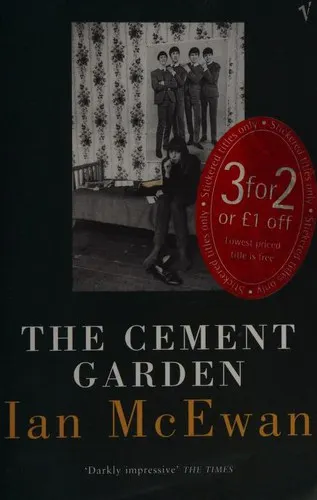
After four siblings find themselves alone in their suburban house, ordinary domestic rules begin to decay. The narrator, teenage Jack, observes this deterioration with a blankness that makes every detail more disturbing: he is neither confessing nor asking to be forgiven.
This compact early McEwan novel shares Banks’s gift for making adolescent logic feel self-contained and horrifyingly reasonable. The menace comes less from events than from atmosphere—the sealed house, the stale summer, the children’s improvised hierarchy—and from prose so controlled it denies the reader any comforting moral commentary. Published before McEwan became one of Britain’s defining literary novelists, it remains among his most notorious works. Read it for the same queasy pleasure as The Wasp Factory: the sense of entering a private kingdom whose laws are appalling, coherent, and already too late to change.