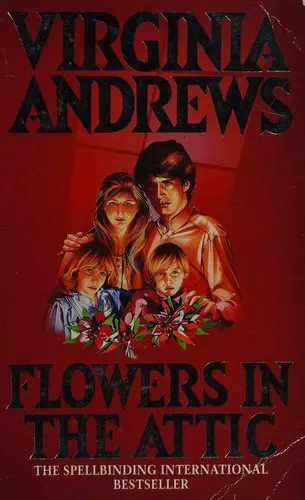
Books like Flowers in the Attic
Flowers in the Attic is unforgettable because Cathy’s captivity is only the first horror; the deeper wound is watching parental love curdle into selfishness, punishment, and betrayal.
If you liked Flowers in the Attic, you’ll love these
Not lookalikes — kindred books. Each one shares something essential with Flowers in the Attic, and we tell you exactly what.
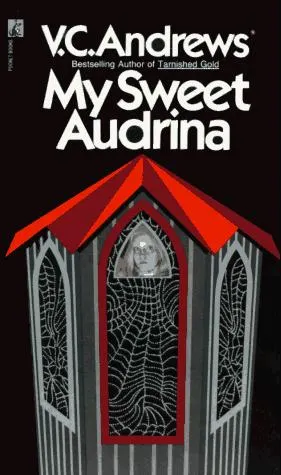
This is Andrews at her most concentrated and deliriously Gothic. Audrina grows up in a decaying mansion, haunted by the supposedly perfect older sister whose name she inherited and surrounded by relatives who insist they understand her past better than she does.
Like Cathy, Audrina must wrest her own story from adults who use shame, secrecy, and dependence as instruments of control. The novel has Flowers’ feverish mixture of innocence, taboo, family mythology, and outrageous revelation, but its unstable memories give the melodrama an eerie psychological dimension. Andrews’s only stand-alone novel has become a particular cult favorite among her readers; anyone who stops with the Dollanganger saga misses one of her strangest, boldest creations.
Astrid’s mother, Ingrid, is glamorous, brilliant, and dangerously certain that her daughter belongs to her. When Ingrid is imprisoned, Astrid is sent through a succession of foster homes, carrying her mother’s influence even when she desperately wants to escape it.
What connects this acclaimed bestseller to Flowers in the Attic is not Gothic architecture but maternal betrayal: both novels understand the devastating power a beautiful, self-involved mother can hold over a daughter. Fitch gives Astrid the same compelling combination of watchfulness, vulnerability, and hard-won resilience that makes Cathy so memorable. The prose is sensuous and quotable, yet the emotional cruelty never becomes decorative. Its huge readership—and lasting devotion among readers who discovered it through Oprah’s Book Club—is deserved.
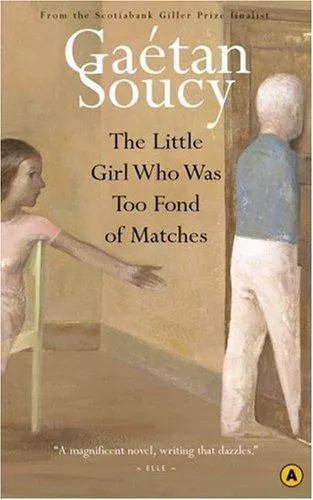
Two siblings have been raised in near-total isolation on a ruined estate by an authoritarian father whose private rules constitute their entire world. When that order suddenly collapses, one child ventures outside and begins discovering how profoundly their language, identities, and understanding of reality have been warped.
Soucy recreates the most disturbing pleasure of Flowers in the Attic: inhabiting the mind of a child who has normalized the unthinkable. The narrator’s strange, darkly comic voice turns every ordinary object into a mystery, while the household’s buried truths acquire the force of nightmare and fairy tale. This slender French-Canadian novel earned an international cult reputation because it is both grotesque and unexpectedly tender. It is the rare family Gothic capable of making Andrews’s excesses feel not imitated, but transformed into unsettling literary art.