Author
Books like Thomas Harris
8 books we recommend to Thomas Harris readers, drawn from The Silence of the Lambs, Red Dragon and Black Sunday — each with the reason why.
If you loved The Silence of the Lambs
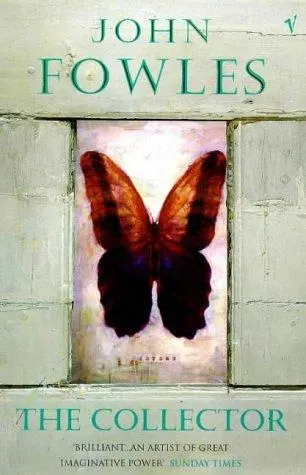
Frederick Clegg narrates his obsession with Miranda in the mild, reasonable language of a man who cannot comprehend the horror of what he wants. That gap—between his self-image and the reader’s understanding—is excruciating.
Like Harris, Fowles knows that the most frightening predator is not a raving beast but a person with patience, resources, and a private logic polished smooth by repetition. His celebrated debut turns possession, class resentment, and romantic fantasy into instruments of confinement. The prose is controlled rather than sensational, which makes its menace feel horribly plausible; few novels offer such intimate access to a captor’s rationalizations without mistaking intimacy for sympathy.

Camille Preaker, a Chicago reporter sent back to her Missouri hometown after the murders of young girls, has Clarice Starling’s unnerving combination of professional acuity and exposed nerves. She notices what others miss because she understands cruelty from the inside—but every useful insight carries a personal cost.
Flynn’s dagger-sharp debut, winner of both the CWA New Blood and Ian Fleming Steel Daggers, replaces Harris’s institutional corridors with suffocating family and social rituals. Yet the kinship is deep: forensic attention to behavior, violence entangled with gender, and a woman forced to work among people eager to underestimate or define her. Sharp Objects is lean, poisonous, and psychologically exact; its atmosphere seems to cling to the skin.
If you loved Red Dragon
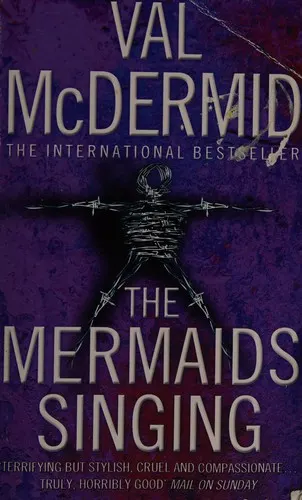
Clinical psychologist Tony Hill understands violent fantasy with a precision that unsettles both the police and himself. When a killer begins targeting men in Bradfield, Hill joins ambitious detective Carol Jordan in an investigation built on behavioral detail rather than convenient intuition.
Like Will Graham, Hill makes empathy feel less like a gift than a form of contamination. McDermid also gives the procedural work weight: interviews, misread signals and institutional resistance steadily tighten the pressure. Winner of the Crime Writers’ Association Gold Dagger, this novel launched one of modern crime fiction’s defining partnerships. It is perhaps the closest successor to Red Dragon’s fusion of intelligence, vulnerability and dread.
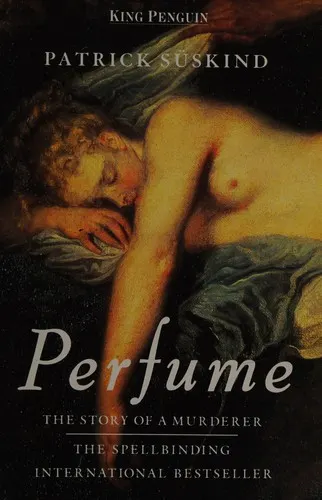
Jean-Baptiste Grenouille is born with an incomparable sense of smell—and none of the ordinary emotional bonds that make other people human to us. Süskind renders his sensory world so completely that streets, bodies and desire seem to release odors from the page.
What connects Perfume to Red Dragon is not simply its murderer, but its fearless entry into a grandiose, transformative private mythology. As Harris makes Dolarhyde’s logic comprehensible without making it forgivable, Süskind traps the reader inside a consciousness at once lucid, absurd and appalling. This internationally celebrated modern classic is lush, macabre and wickedly funny: a rare novel whose beauty intensifies its horror.
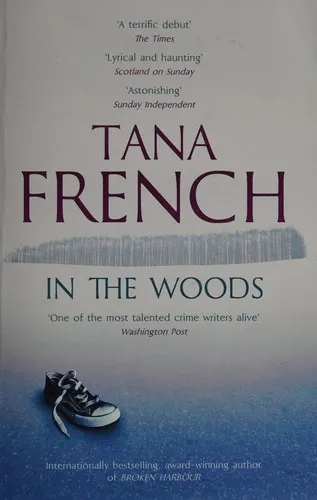
Detective Rob Ryan is assigned a child’s murder in the same Irish woods where, years earlier, his two friends disappeared and he was found alone, bloodied and unable to remember what happened. With his partner Cassie Maddox, he begins an investigation that threatens the careful identity he has built since.
French understands, as Harris does, that investigators do not merely solve crimes—they bring their wounds into the evidence room. Her superbly observed partnership, hypnotic woodland atmosphere and patient accumulation of psychological pressure make the case feel intimate long before it feels explicable. An Edgar-winning debut that inspired unusually devoted readers, In the Woods turns detection into a study of memory, self-deception and the ruinous desire to understand.
If you loved Black Sunday
The definitive companion to Black Sunday for readers who relish watching an audacious operation assembled piece by piece. Forsyth follows both a professional assassin preparing to kill Charles de Gaulle and the painstaking police effort to identify him. Documents, forged identities, weapons, timetables: every practical detail tightens the suspense rather than interrupting it.
Winner of the Edgar Award for Best Novel, it helped establish the modern procedural thriller. Harris gives the Super Bowl plot terror through plausibility; Forsyth performs the same trick so convincingly that even mundane preparations feel electrically dangerous.
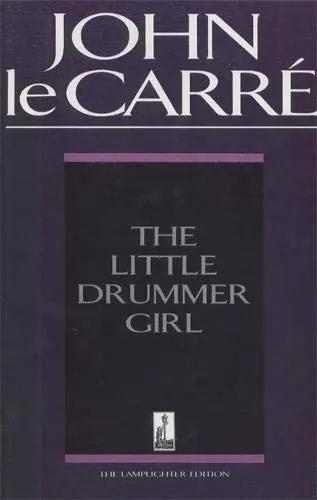
Read this for what lies beneath Black Sunday’s machinery: the intimate psychological war between Israeli intelligence and Palestinian militancy. Le Carré’s central figure is Charlie, an actress whose political sympathies, emotional hunger, and talent for inhabiting roles make her dangerously useful.
The tradecraft is intricate, but the real subject is how an operation rewrites the people inside it. Like Harris, le Carré refuses to reduce the conflict to virtuous hunters and faceless terrorists; conviction, grief, manipulation, and attraction cross enemy lines. One of his most admired novels, it turns counterterrorism into both a gripping operation and a devastating study of identity.
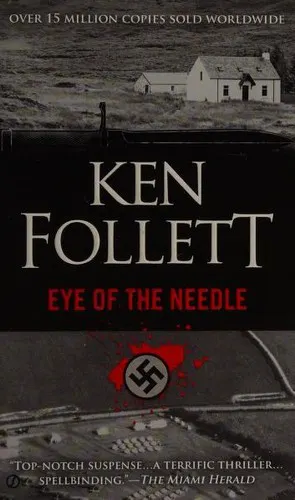
Follett offers the same exhilarating design Harris uses so well: separate lives moving toward collision while the reader understands the stakes more fully than any single character. At its center is a German spy in wartime Britain—disciplined, resourceful, and frightening precisely because Follett makes his competence concrete.
Then the immense machinery of intelligence and war narrows into an intensely personal contest. That change of scale gives the novel unusual force: strategic consequences depend on ordinary rooms, imperfect judgments, and vulnerable bodies. Follett’s breakthrough novel won the Edgar Award and remains a model of lean, remorseless suspense; once its strands begin tightening, stopping feels almost irresponsible.