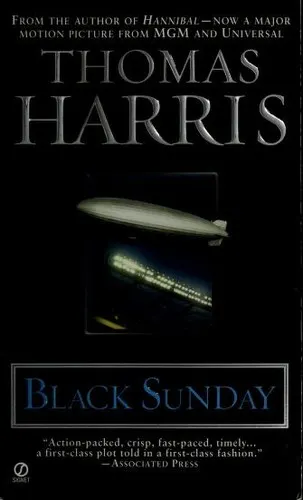
Books like Black Sunday
In a Beirut apartment, an Israeli agent’s instant of mercy lets a woman escape his gun sight—and starts the clock. These novels share Black Sunday’s precision, converging viewpoints, and unnerving sympathy for people on both sides of the hunt.
If you liked Black Sunday, you’ll love these
Not lookalikes — kindred books. Each one shares something essential with Black Sunday, and we tell you exactly what.
The definitive companion to Black Sunday for readers who relish watching an audacious operation assembled piece by piece. Forsyth follows both a professional assassin preparing to kill Charles de Gaulle and the painstaking police effort to identify him. Documents, forged identities, weapons, timetables: every practical detail tightens the suspense rather than interrupting it.
Winner of the Edgar Award for Best Novel, it helped establish the modern procedural thriller. Harris gives the Super Bowl plot terror through plausibility; Forsyth performs the same trick so convincingly that even mundane preparations feel electrically dangerous.
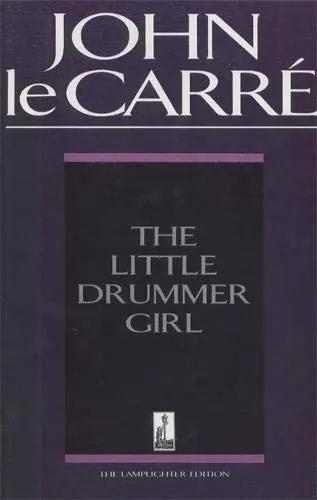
Read this for what lies beneath Black Sunday’s machinery: the intimate psychological war between Israeli intelligence and Palestinian militancy. Le Carré’s central figure is Charlie, an actress whose political sympathies, emotional hunger, and talent for inhabiting roles make her dangerously useful.
The tradecraft is intricate, but the real subject is how an operation rewrites the people inside it. Like Harris, le Carré refuses to reduce the conflict to virtuous hunters and faceless terrorists; conviction, grief, manipulation, and attraction cross enemy lines. One of his most admired novels, it turns counterterrorism into both a gripping operation and a devastating study of identity.
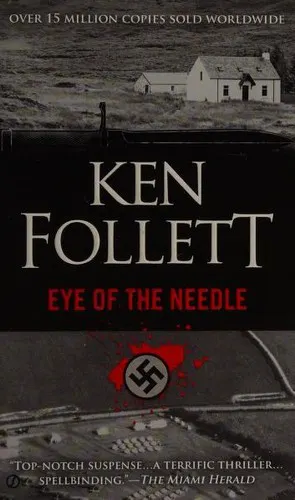
Follett offers the same exhilarating design Harris uses so well: separate lives moving toward collision while the reader understands the stakes more fully than any single character. At its center is a German spy in wartime Britain—disciplined, resourceful, and frightening precisely because Follett makes his competence concrete.
Then the immense machinery of intelligence and war narrows into an intensely personal contest. That change of scale gives the novel unusual force: strategic consequences depend on ordinary rooms, imperfect judgments, and vulnerable bodies. Follett’s breakthrough novel won the Edgar Award and remains a model of lean, remorseless suspense; once its strands begin tightening, stopping feels almost irresponsible.