Author
Books like Theodor Fontane
6 books we recommend to Theodor Fontane readers, drawn from Effi Briest and Irretrievable — each with the reason why.
If you loved Effi Briest
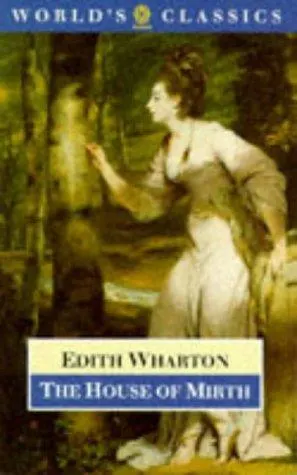
Wharton opens with Lily Bart alone in a railway station—a small breach of convention that immediately shows how closely she is watched. Like Fontane, Wharton understands society not as a backdrop but as a system of glances, invitations, money, gossip, and apparently trivial choices. Lily is intelligent enough to perceive the trap, yet dependent upon the very world that built it.
One of Wharton’s acknowledged masterpieces, the novel has Effi Briest’s rare balance of sympathy and unsentimental clarity. Its brilliance lies in making social judgment feel both diffuse and crushing: no single villain controls Lily’s fate, because nearly everyone helps enforce the rules. If you loved Fontane’s quiet exposure of collective cruelty, Wharton’s elegance will feel exhilarating—and devastating.
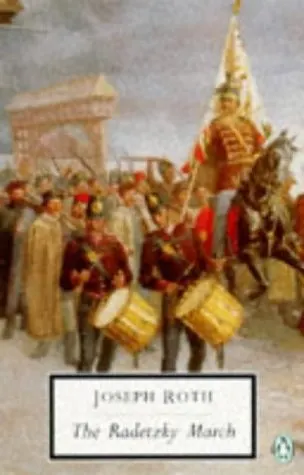
The opening act—a soldier saving the Habsburg emperor and being rewarded with nobility—becomes, in Roth’s hands, the beginning of a family’s estrangement from itself. That is the kinship with Effi Briest: both novels show how institutions colonize private feeling. Rank, honor, military ritual, and obedience become habits so deeply internalized that people mistake them for character.
Widely regarded as Roth’s masterpiece, The Radetzky March moves with ceremonial grace while its dry, compassionate narrator notices every absurdity. Readers who were fascinated by Instetten—not simply as a cold husband, but as a man imprisoned by his own idea of duty—will find Roth indispensable. Few novels make a doomed social order seem at once so ridiculous, beautiful, and human.
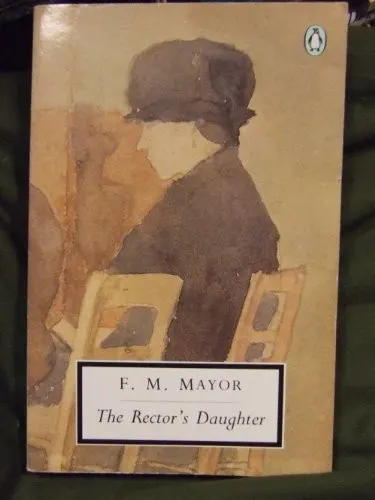
Mary Jocelyn lives in an English rectory, caring for an exacting father and inhabiting a life whose narrowness everyone treats as natural. Mayor builds her world from calls, parish obligations, restrained conversations, and long familiarity—the modest materials from which an entire emotional prison can be constructed.
This is the closest match for readers who treasure Fontane’s understatement. Mayor never begs for pity or announces where the deepest wounds lie; she trusts pauses, misplaced courtesies, and the discrepancy between what Mary feels and what she can permit herself to say. First published in 1924, the novel has endured as a quietly rediscovered classic, cherished for its psychological exactness. Missing it would mean missing one of the finest English examples of tragedy conducted almost entirely below the level of speech.
If you loved Irretrievable
Keyserling makes landscape perform the work that conversation does in Fontane. At a Baltic resort, aristocratic holidaymakers observe a countess who has left her husband for an artist; sunlight, water, clothes, and apparently idle chatter register every tremor of attraction and resentment.
A high point of German literary Impressionism, Waves has Fontane’s gift for showing people behaving gracefully while misunderstanding themselves completely. Its beauty is sensuous, but never consoling: beneath the glittering sea lies the knowledge that happiness may be visible, close, and still impossible to keep.
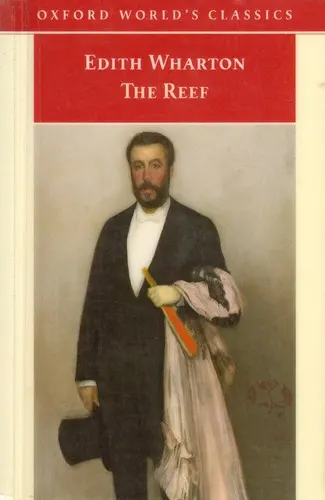
A delayed meeting and a seemingly minor act of consolation set Wharton’s exquisitely engineered moral drama in motion. Like Fontane, she understands that sophisticated people rarely destroy one another through simple villainy; they do it through tact, pride, hesitation, and the wish to appear better than they are.
The Reef is one of Wharton’s most formally accomplished novels, though less celebrated than her society epics. Its special pleasure is the continual shifting of sympathy: every new confidence changes the moral shape of what came before. Readers who loved Irretrievable’s refusal to divide a marriage into innocent and guilty parties will find this painfully exact—and almost impossible to put down.
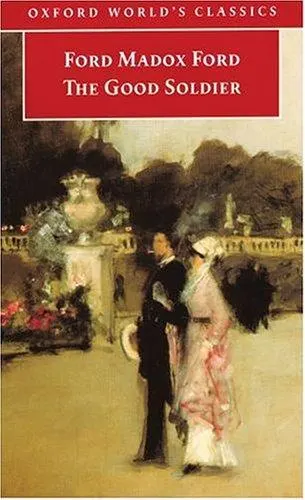
Two wealthy couples meet at a German spa and seem to embody civilized stability. But their story is told by a man who keeps revising what he believes he knows, turning polite recollection into an excavation of desire, blindness, and damage.
This landmark of modernist fiction takes Fontane’s irony and makes it structural: the catastrophe lives not only in events but in the distance between conduct and comprehension. Ford’s narrator can be obtuse, piercing, funny, and heartbreaking within a paragraph. If Irretrievable left you haunted by how late people recognize the truth of their own lives, The Good Soldier is essential reading.