Author
Books like Richard Yates
6 books we recommend to Richard Yates readers, drawn from Revolutionary Road and The Easter Parade — each with the reason why.
If you loved Revolutionary Road
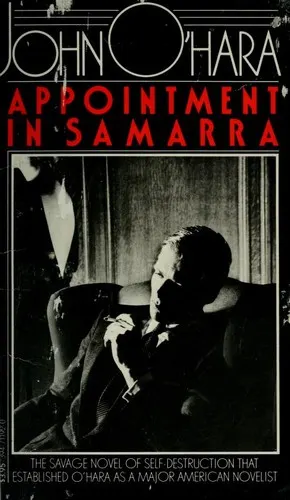
O’Hara compresses a man’s social and psychological collapse into three winter days, rendering each drink, insult, and breach of etiquette with terrifying inevitability. Like Yates, he understands that class is not merely money but an internal surveillance system: his characters continually imagine how they look to others, even as they ruin themselves.
The novel’s clean, hard prose and refusal to sentimentalize weakness make it one of the clearest ancestors of Revolutionary Road. Yet Julian English is never just a specimen under glass; O’Hara makes his recklessness feel both appalling and horribly comprehensible. This enduring American classic delivers the same rare shock as Yates: recognition without consolation.
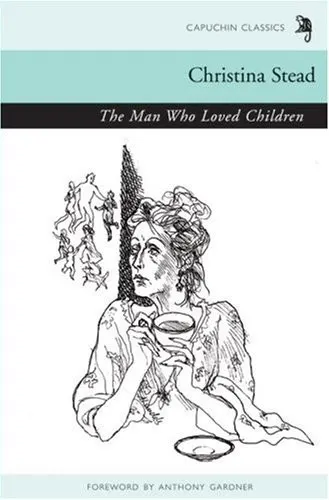
If Yates shows a marriage poisoning itself through disappointment, Stead shows that poison becoming an entire family atmosphere. Sam Pollit is expansive, playful, eloquent—and suffocating; his estranged wife Henny answers him with a fury so intense that domestic life becomes a private mythology and a war.
Stead’s method is more feverish than Yates’s: invented family language, grotesque comedy, torrents of talk. But she shares his great moral gift, the ability to expose vanity and cruelty without reducing people to villains. Long championed by writers and critics as a neglected masterpiece, this is among the most overwhelming family novels in English. Its household feels not observed but inhabited, and leaving it unread means missing one of fiction’s fiercest accounts of how adults conscript children into their unhappiness.
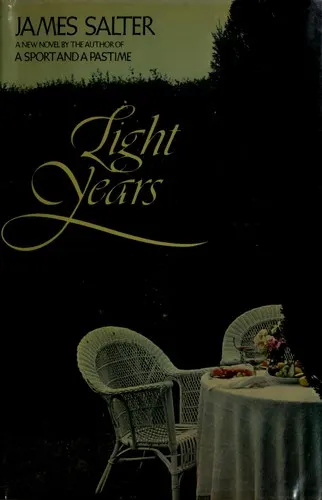
Salter begins with the radiance of a life that seems already perfected: a beautiful house, clever friends, daughters, dinners, travel, cultivated ease. His subject, however, is the gap between possessing the image of happiness and being able to live inside it. That gap will feel instantly familiar to a reader haunted by Frank and April Wheeler.
Where Yates is exact and acid, Salter is lyrical, building the marriage from luminous fragments until time itself becomes the novel’s quiet pressure. His sentences can make a room, a meal, or a passing season feel unbearably precious—then reveal how beauty helps people disguise appetite, loneliness, and betrayal. Often regarded as Salter’s defining novel, Light Years inspires unusual devotion because it does not merely describe a marriage’s life; it captures the sensation of looking back and realizing that life was vanishing while it was being performed.
If you loved The Easter Parade
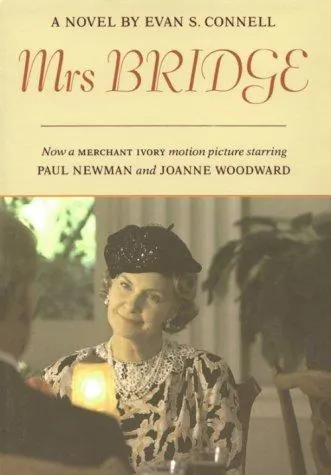
Connell builds a whole life from brief, immaculate scenes: a social call, a misunderstanding, a moment of embarrassment that Mrs Bridge cannot quite interpret. Like Yates, he understands how people use manners and routine to avoid recognizing their own loneliness.
The prose is dry, exact, and often very funny, but the comedy steadily acquires emotional weight. Mrs Bridge is neither mocked nor sentimentalized; Connell lets her limitations reveal the narrowness of the world that formed her. Long admired by writers and devoted readers as a small American masterpiece, this is perhaps the closest equivalent to The Easter Parade’s terrible compression—the feeling that decades have slipped past while someone was waiting for life to begin.
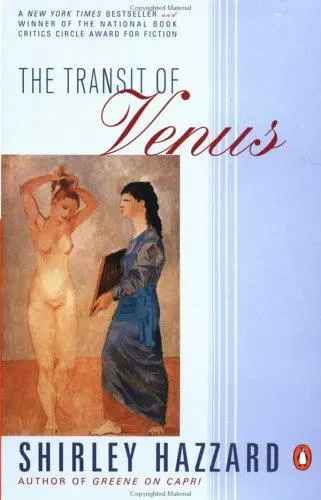
Hazzard follows two orphaned Australian sisters as they enter postwar English society, but the true kinship with Yates lies in her fascination with how women’s lives diverge—and how love, pride, dependence, and accident become destiny.
Where Yates is stripped-down, Hazzard is dazzlingly allusive. Her sentences seem to know more than her characters do, planting charged details whose significance deepens across decades. The result is both intimate and architecturally brilliant: a novel of emotional concealment in which time continually revises what we thought we understood. Winner of the National Book Critics Circle Award and now widely regarded as Hazzard’s masterpiece, it offers the same retrospective ache as The Easter Parade on a grander, more intricate scale.
Mortimer begins with a woman crying in a department store and proceeds with unnerving directness into the fault lines of marriage, motherhood, and identity. Her narrator is intelligent, mordantly funny, and increasingly unable to accept the comforting explanations others offer for her distress.
A lover of The Easter Parade will recognize the refusal to romanticize domestic life or turn suffering into uplift. Mortimer’s dialogue has Yates’s lethal naturalness: people wound one another through evasions, banalities, and apparently reasonable remarks. First published in 1962 and later revived to intense critical admiration, the novel feels startlingly modern in its treatment of female anger and psychological confinement. It is short, savage, darkly comic—and once read, difficult to forget.