
Books like Revolutionary Road
How long can people live inside flattering stories about themselves—and what happens when those stories can no longer keep disappointment out? These three novels share Yates’s pitiless insight into aspiration, intimacy, and self-deception, while achieving it in strikingly different ways.
If you liked Revolutionary Road, you’ll love these
Not lookalikes — kindred books. Each one shares something essential with Revolutionary Road, and we tell you exactly what.
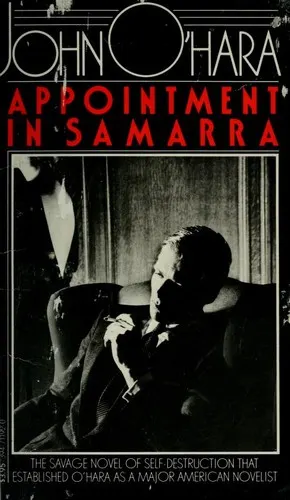
O’Hara compresses a man’s social and psychological collapse into three winter days, rendering each drink, insult, and breach of etiquette with terrifying inevitability. Like Yates, he understands that class is not merely money but an internal surveillance system: his characters continually imagine how they look to others, even as they ruin themselves.
The novel’s clean, hard prose and refusal to sentimentalize weakness make it one of the clearest ancestors of Revolutionary Road. Yet Julian English is never just a specimen under glass; O’Hara makes his recklessness feel both appalling and horribly comprehensible. This enduring American classic delivers the same rare shock as Yates: recognition without consolation.
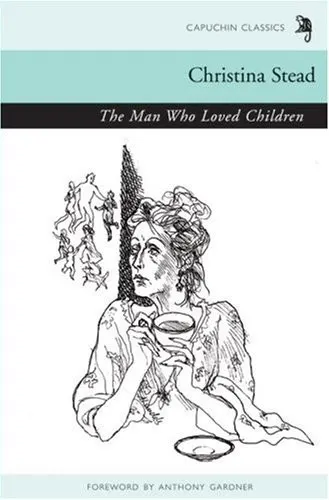
If Yates shows a marriage poisoning itself through disappointment, Stead shows that poison becoming an entire family atmosphere. Sam Pollit is expansive, playful, eloquent—and suffocating; his estranged wife Henny answers him with a fury so intense that domestic life becomes a private mythology and a war.
Stead’s method is more feverish than Yates’s: invented family language, grotesque comedy, torrents of talk. But she shares his great moral gift, the ability to expose vanity and cruelty without reducing people to villains. Long championed by writers and critics as a neglected masterpiece, this is among the most overwhelming family novels in English. Its household feels not observed but inhabited, and leaving it unread means missing one of fiction’s fiercest accounts of how adults conscript children into their unhappiness.
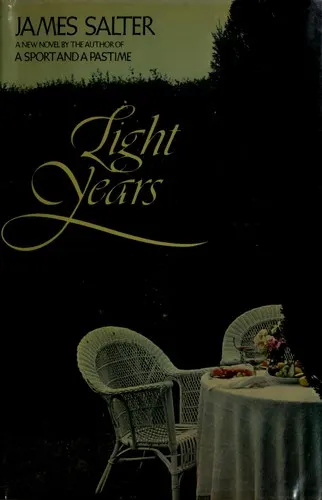
Salter begins with the radiance of a life that seems already perfected: a beautiful house, clever friends, daughters, dinners, travel, cultivated ease. His subject, however, is the gap between possessing the image of happiness and being able to live inside it. That gap will feel instantly familiar to a reader haunted by Frank and April Wheeler.
Where Yates is exact and acid, Salter is lyrical, building the marriage from luminous fragments until time itself becomes the novel’s quiet pressure. His sentences can make a room, a meal, or a passing season feel unbearably precious—then reveal how beauty helps people disguise appetite, loneliness, and betrayal. Often regarded as Salter’s defining novel, Light Years inspires unusual devotion because it does not merely describe a marriage’s life; it captures the sensation of looking back and realizing that life was vanishing while it was being performed.