Author
Books like Raymond Federman
3 books we recommend to Raymond Federman readers, drawn from Double or Nothing — each with the reason why.
If you loved Double or Nothing
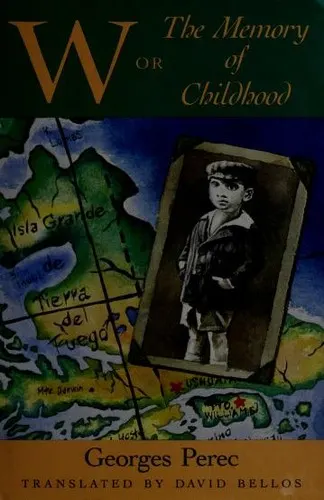
Perec alternates fragments of childhood recollection with the fiction of a remote society organized around sport. The two strands initially appear incompatible, yet their very separation becomes charged: what cannot be remembered or directly narrated presses against every sentence.
Like Federman, Perec approaches Holocaust trauma through gaps, substitutions, rules, and unnervingly precise play rather than solemn explanation. A landmark of Oulipian writing, W proves that formal ingenuity can be an ethical instrument. Its accumulating force is extraordinary; missing it would mean missing one of the clearest demonstrations of how absence itself can tell a story.
Published as twenty-seven unbound sections in a box, The Unfortunates asks the reader to shuffle most of its sequence. That device is no ornament: Johnson’s narrator arrives in a city to report on a football match and finds memories of a dead friend returning in the erratic order grief actually chooses.
A reader delighted by Federman’s conversion of the book into a visible, manipulable object will immediately understand Johnson’s wager. The fragments repeat, snag, and revise one another; the struggle to write truthfully becomes part of the truth. Once a cult experiment and now recognized as B. S. Johnson’s masterpiece, it is both formally audacious and painfully intimate.
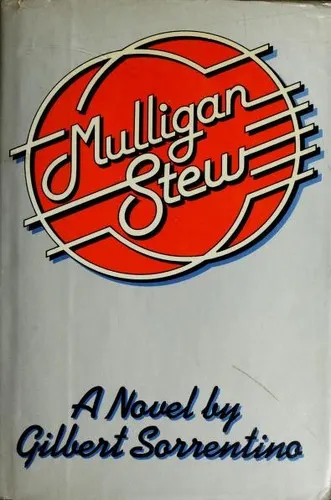
An inept novelist is writing a murder mystery, but his borrowed characters, bad prose, rejection letters, notebooks, and assorted documents refuse to remain obedient. Sorrentino turns the resulting mess into a ferociously funny anatomy of how fiction is manufactured—and how clichés expose the desires of the person using them.
Where Federman makes composition itself the drama, Sorrentino stages authorship as mutiny. The novel keeps changing shape and rhetorical register, rewarding readers who enjoy catching a book sabotaging its own machinery. Long revered by experimental writers, Mulligan Stew is not merely clever metafiction: it is a huge comic performance, inexhaustibly inventive and too influential—and too much fun—to leave unread.