Author
Books like Patrick O'Brian
4 books we recommend to Patrick O'Brian readers, drawn from Master and Commander and Post Captain — each with the reason why.
If you loved Master and Commander

Bengtsson shares O’Brian’s gift for making expertise entertaining. Seamanship, trade, feasting, combat, law, and religion emerge through what capable people actually do, never through dutiful historical exposition. His hero, Orm, enters a violent and unpredictable world in which survival depends as much on judgment, luck, and good companions as on strength.
The great attraction is the tone: laconic, humane, and extremely funny, especially when its characters treat appalling dangers as practical inconveniences. Michael Meyer’s English translation helped make this Swedish classic a lasting favorite among readers who cherish literate adventure. It offers the same rare satisfaction as O’Brian: a vanished culture becomes comprehensible without becoming modern, quaint, or solemn.
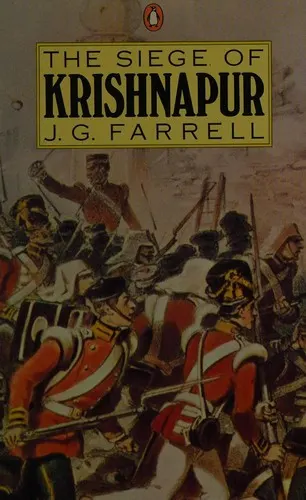
Farrell’s Booker Prize–winning novel is for the reader who relished O’Brian’s collision of physical danger, institutional absurdity, and skeptical intelligence. In a British colonial settlement threatened during the Indian Rebellion of 1857, an ensemble of officials, soldiers, doctors, idealists, and social climbers discovers how fragile its certainties are.
Farrell is superb on material reality: defenses, ammunition, medicine, food, machinery, and improvised solutions all matter. Yet every practical detail also sharpens his comedy about empire and Victorian faith in progress. The result is both gripping and intellectually ruthless, with bravery and folly occupying the same rooms. Few historical novels balance excitement, black humor, and moral scrutiny so confidently.
If you loved Post Captain
O’Brian’s country-house chapters owe an unmistakable debt to Austen, but Persuasion offers more than literary ancestry. Anne Elliot lives among people whose vanity, financial folly, and minute calculations of rank are exposed with the same merciless lightness that surrounds Jack ashore. Meanwhile Captain Wentworth represents a new world in which professional ability can matter more than inherited status.
What will feel most familiar is the emotional discipline: momentous feelings travel through pauses, formal courtesies, overheard remarks, and painfully imperfect acts of self-command. Austen’s last completed novel is shorter and quieter than Post Captain, yet its restraint creates tremendous force. Anyone moved by O’Brian’s understanding that love and intelligence do not prevent people from wounding one another should not miss it.
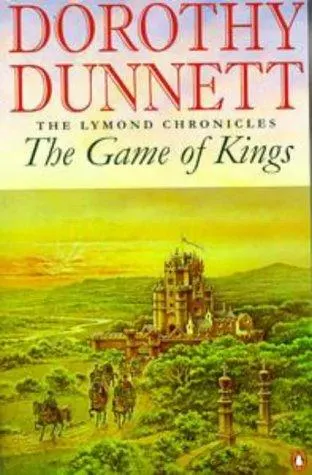
Read this for the exhilaration of encountering an author who assumes you can keep up. Francis Crawford of Lymond, outlaw, strategist, polyglot, and provocateur, returns to sixteenth-century Scotland and immediately begins operating several moves ahead of almost everyone—including the reader. Dunnett builds her drama from politics, finance, music, military tactics, languages, and audacious misdirection without pausing to simplify the world.
That density will delight anyone who enjoys Stephen Maturin’s formidable intelligence or O’Brian’s refusal to translate every technical term into beginner’s language. Yet beneath the brilliance lies a serious concern with loyalty, reputation, and the terrible cost of being misunderstood. This first volume of the Lymond Chronicles has inspired generations of intensely devoted readers; once its apparent chaos begins revealing its design, it becomes difficult not to join them.