Author
Books like Nigel Balchin
5 books we recommend to Nigel Balchin readers, drawn from The Small Back Room and Mine Own Executioner — each with the reason why.
If you loved The Small Back Room

If the committee-room battles in The Small Back Room delighted you, read the novel that turns such battles into high drama. A Cambridge college must choose a new Master, and Snow follows the lobbying, arithmetic, euphemism, and minute betrayals through which reasonable men convert personal loyalties into supposedly principled positions.
Often singled out as the finest volume of Snow’s Strangers and Brothers sequence, The Masters has the insider’s precision Balchin readers prize. Nobody twirls a moustache; everyone has a case. Snow understands that institutions are most dangerous not when they are irrational, but when intelligence becomes the servant of vanity. By the end, a conversation over sherry can feel as tense as an unexploded bomb.
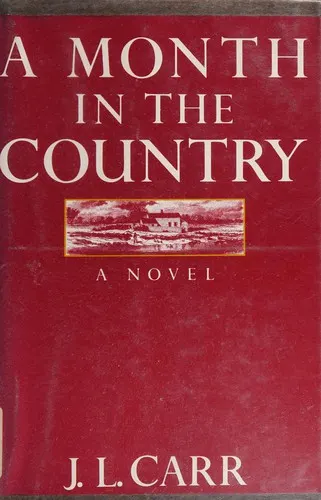
Carr begins with Tom Birkin, a shell-shocked veteran hired to uncover a medieval wall painting in a Yorkshire church. The kinship lies in the restorative dignity of exact work: the patience of the hand, the trained eye, the temporary relief of being good at something when living itself has become difficult.
Where Balchin is caustic, Carr is tender, but never sentimental. Birkin’s damage appears through restraint, habit, and what he cannot quite ask from other people; the emotional intelligence is as adult and unsparing as Sammy and Susan’s relationship. Shortlisted for the Booker Prize and now cherished as a modern classic, this brief novel has an extraordinary afterlife in readers’ memories. Missing it would mean missing one of fiction’s quietest—and most convincing—accounts of survival.
If you loved Mine Own Executioner
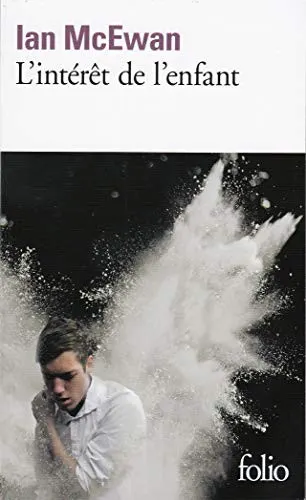
Like Felix Milne, High Court judge Fiona Maye must make decisions whose humane consequences exceed any rulebook. A case involving a gravely ill teenager arrives just as her marriage falters, and McEwan explores the dangerous traffic between professional authority and private need.
The kinship with Balchin lies in the lucid prose, adult moral intelligence, and fascination with where duty ends. McEwan makes legal procedure dramatically urgent without cheapening its complexity; every measured choice carries an emotional aftershock. Readers who admired Mine Own Executioner for treating expertise as both a vocation and a burden should find this short novel nearly impossible to put down.
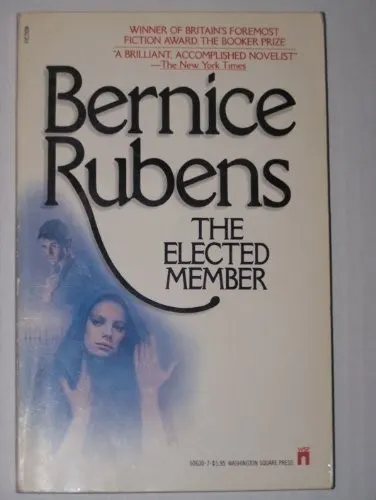
Norman Zweck, once the prodigy of a close Jewish family, is now addicted to drugs and tormented by visions of silverfish. His collapse forces his relatives to confront the stories they have told about him—and about themselves.
Rubens brings a harsher, more anarchic comedy than Balchin, but she shares his refusal to sentimentalize mental distress or to separate illness neatly from family history, vanity, resentment, and love. The psychiatric ward is neither a chamber of horrors nor a place of miraculous repair; it is one arena in a painfully recognizable struggle over responsibility. Winner of the 1970 Booker Prize—the first awarded to a woman—this compact, ferociously alive novel deserves far more readers than it now has.
Roy Calvert is brilliant, charming, intellectually voracious, and subject to terrifying swings of mood. His friend Lewis Eliot watches him move through Cambridge life and a Europe drifting toward war, trying to understand what loyalty can accomplish when intelligence and affection are not enough.
Snow’s restrained first-person narration will feel immediately congenial to a Balchin reader: observant rather than showy, compassionate without pretending that compassion cures. The novel is especially acute about the appeal of a gifted, unstable person and the compromises made by those who love him. Part of Snow’s once-celebrated Strangers and Brothers sequence but fully readable alone, it is one of the great neglected English novels of friendship, mental suffering, and helpless responsibility.