Author
Books like Naomi Novik
10 books we recommend to Naomi Novik readers, drawn from A Deadly Education, Uprooted, Spinning Silver and The Golden Enclaves — each with the reason why.
If you loved A Deadly Education
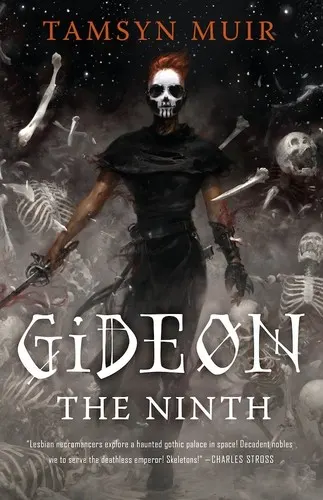
Gideon has El’s habit of using sarcasm as both armor and weapon. Trapped in service to the necromancer Harrow, she enters a lethal contest inside a decaying palace where every alliance is suspect and every participant has been shaped by an unforgiving hierarchy.
What makes this more than another deadly-school story is its emotional sleight of hand: beneath the swagger, swordplay, and macabre jokes lies a piercing novel about obligation, resentment, and caring for someone you have excellent reasons to hate. Muir’s audacious debut won the Locus Award for Best First Novel and inspired an intensely devoted readership. Its voice is so singular—and its heart so well concealed—that finishing it feels like discovering the joke was also a wound.
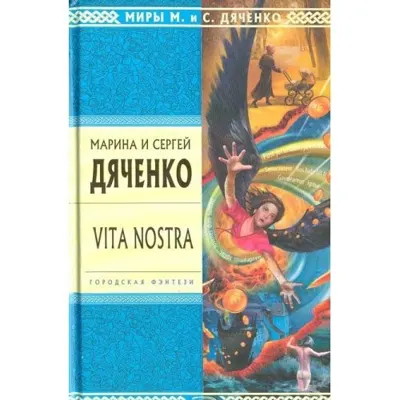
If the Scholomance fascinated you because education itself felt dangerous, read this cult classic of Ukrainian speculative fiction. Sasha Samokhina is coerced into attending an obscure institute where the assignments seem nonsensical, failure carries terrifying consequences, and learning may alter more than her prospects.
The Dyachenkos capture the panic of being forced to master rules no one will explain, but their ambitions are stranger and more metaphysical than Novik’s. The school does not merely teach magic; it destabilizes Sasha’s understanding of language, identity, and reality. Julia Meitov Hersey’s English translation helped make it a modern favorite among readers seeking fantasy that is genuinely uncanny. Few novels make intellectual transformation feel so exhilarating—or so frightening.
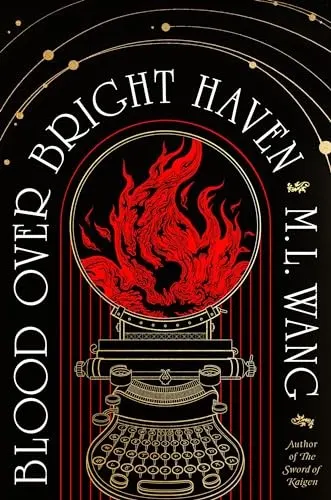
This is the choice for readers who most admired El’s refusal to ignore who pays for magical privilege. Sciona has fought her way toward becoming the first woman admitted to an elite order of mages, only to find that institutional recognition does not mean equality. Her reluctant partnership with Thomil, an outsider assigned as her assistant, begins exposing uncomfortable questions about the foundations of their celebrated magic.
Wang writes anger with unusual precision: not indiscriminate rage, but the fury of realizing that respectable institutions can turn cruelty into procedure and call it progress. The novel’s early independent success led to a major republication, and deservedly so. It combines propulsive magical research with a devastating examination of ambition, complicity, and the price of choosing truth over belonging.
If you loved Uprooted
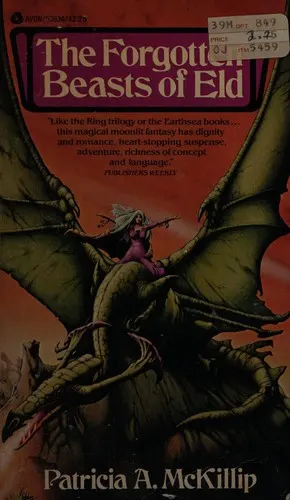
Sybel lives apart from humanity, attended by legendary creatures she has summoned through the power of their true names—until a child is brought to her mountain refuge and entangles her in the violent world below.
Like Uprooted, this is a story about a formidable, isolated woman discovering that power cannot protect her from attachment, anger, or the temptation to control others. McKillip’s crystalline prose makes every beast and spell feel archetypal, yet Sybel’s moral struggle is painfully intimate. Winner of the World Fantasy Award and beloved for decades, this brief novel contains more beauty and danger than many epics.
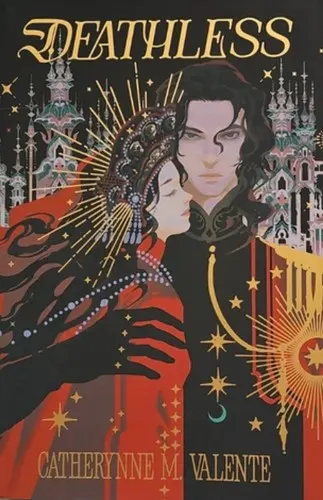
Marya Morevna grows up watching birds fall from trees and become men; then Koschei the Deathless arrives to claim her. What follows treats folklore not as decorative material but as a living, predatory logic through which desire, marriage, power, and history must pass.
Readers drawn to the Dragon’s alarming charisma and to Agnieszka’s refusal to remain a passive pupil will recognize the charge between Marya and Koschei: attraction braided with rivalry, instruction, and danger. Valente’s language is lush without being tame, and beneath its glitter lies real cruelty and hunger. Deathless has become a modern cult favorite because it makes an old tale feel feverishly personal.
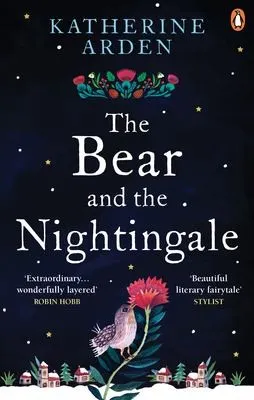
Vasya can see the household spirits that guard her family’s home, even as a new priest teaches the village to fear them. Arden’s triumph is the stubborn vitality she gives both the unseen world and the girl who perceives it: Vasya is unruly not as a charming quirk, but because obedience would require her to deny what she knows.
The kinship with Uprooted lies in that collision between communal fear and a young woman’s instinctive magic, and in an atmosphere where the forest is beautiful, sentient, and never safe. The first volume of the widely adored Winternight trilogy, it begins with the intimacy of a fireside tale and gradually tightens into something cold, urgent, and haunting.
If you loved Spinning Silver
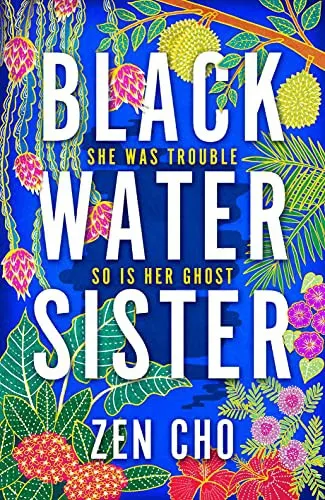
The climate could hardly be further from Spinning Silver’s frozen kingdoms, yet the moral machinery is remarkably close. Broke, closeted Jess Teoh moves with her parents to Penang and begins hearing the voice of her formidable dead grandmother. Soon she is caught among family obligations, old grudges, and a local deity whose assistance is inseparable from coercion.
Cho treats money, filial duty, religion, and supernatural power as parts of one binding system. Jess survives not through destined greatness but through observation, negotiation, and the difficult recognition that older women may be protectors, exploiters, and victims at once. Its sharp contemporary voice disguises a story built on ancient bones: a young woman trying to renegotiate terms everyone else considers settled.
If you loved The Golden Enclaves
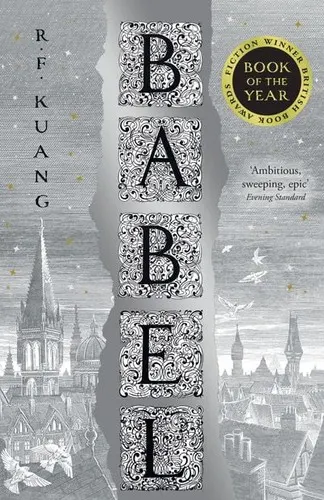
Like The Golden Enclaves, Babel turns magic into political economy: every dazzling enchantment depends upon labor, extraction, and carefully concealed suffering. Robin Swift enters Oxford’s prestigious translation institute enchanted by its intellectual riches, only to discover how thoroughly scholarship and empire sustain each other.
Kuang makes complicity painfully intimate. Friendships fracture under unequal risks; comfort becomes morally incriminating; and brilliant young people must decide whether a corrupt institution can be reformed by those it rewards. A major bestseller and winner of the British Book Award for Fiction, Babel has become a touchstone of modern dark academia. Read it for the same fierce pleasure of seeing magical rules become an indictment—and idealistic students realize that understanding the system obliges them to act.
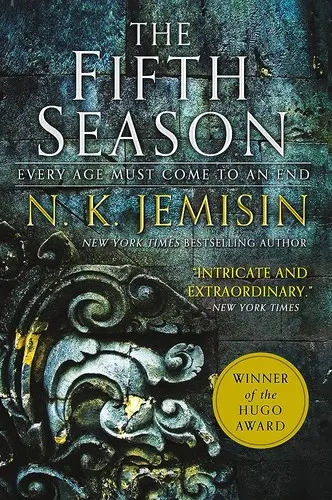
If El’s anger delighted you because it is both weapon and ethical intelligence, meet Essun. She lives in a continent repeatedly broken by geological catastrophe, where people with the power to control the earth are feared, exploited, and brutally trained. Jemisin’s world-building never sits decoratively in the background: disaster management, prejudice, education, and magic lock together into one merciless social machine.
The prose is daring, the emotional pressure enormous, and the revelations alter how you understand what you have already read. The Fifth Season began the only trilogy whose every volume won the Hugo Award for Best Novel, an unprecedented achievement earned through ambition rather than mere scale. It offers the same intoxicating combination of apocalyptic power and moral fury, while asking an even harsher question: what does anyone owe a world built to use them?
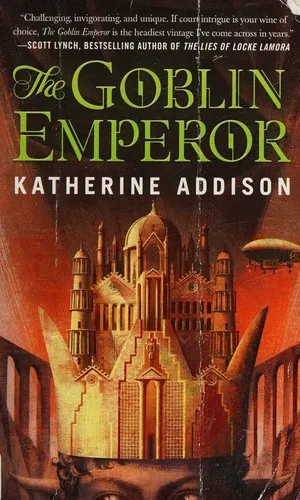
This is the quieter, warmer counterpart to The Golden Enclaves—and an unusually satisfying match for its deepest conviction. Maia, an unwanted and isolated imperial son, abruptly inherits a court designed around intimidation, inherited privilege, and lethal etiquette. He possesses almost no preparation for rule; what he does possess is firsthand knowledge of cruelty.
Where El challenges a monstrous system with annihilating magic, Maia tests whether persistent decency can itself become a form of structural rebellion. Addison makes council meetings, appointments, and tiny acts of attention feel genuinely consequential, because each choice determines what kind of institution will replace the old one. A Hugo finalist with an exceptionally devoted readership, The Goblin Emperor is beloved as a comfort novel without ever being naïve: its hope is persuasive precisely because kindness here requires discipline, courage, and political skill.