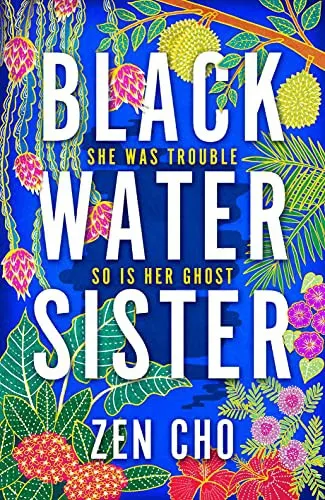
Books like Black Water Sister
How do you become your own person when family love, inherited silence, and the dead all insist that you belong to them? These three novels pursue that dilemma with the same mixture of supernatural danger, cultural pressure, mordant humor, and hard-won self-possession.
If you liked Black Water Sister, you’ll love these
Not lookalikes — kindred books. Each one shares something essential with Black Water Sister, and we tell you exactly what.
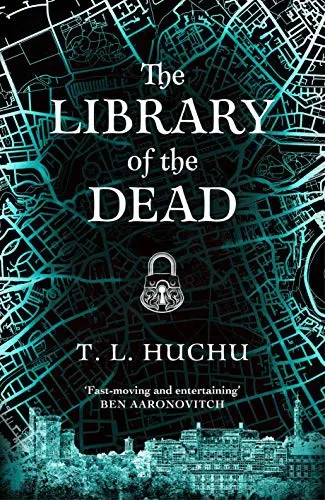
Ropa Moyo, a Zimbabwean Scottish teenager in a near-future Edinburgh, speaks to ghosts for money while supporting her grandmother and younger sister. Like Jess, she treats the supernatural less as a source of wonder than as another exhausting job—one involving difficult clients, unpaid bills, and entities that refuse to respect boundaries.
Huchu gives Ropa the practical, irreverent intelligence that makes Jess so appealing. Beneath the occult adventure lies a sharp story about class, family duty, and a young woman realizing that competence does not oblige her to solve everyone else’s problems. An Alex Award winner, it begins an addictive series, but its fiercely distinctive heroine is reason enough to read it.
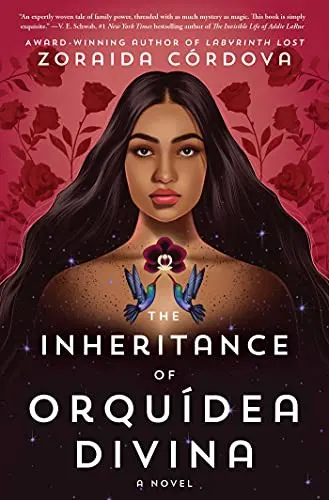
The formidable Orquídea Divina summons her scattered descendants home to receive their inheritance, forcing a family raised on evasions to confront the impossible things surrounding its matriarch. Córdova understands what Zen Cho does: family secrets do not stay buried—they shape what later generations believe they deserve, fear, and owe.
This is a more lushly lyrical novel than Black Water Sister, but its magic has comparable teeth. Orquídea is neither a saintly ancestor nor a simple tyrant; love, pride, damage, and protection have become inseparable in her legacy. The result is an enveloping multigenerational story for anyone fascinated by Jess and Ah Ma’s volatile bond, especially the question of whether an inheritance can be accepted without repeating its harms.
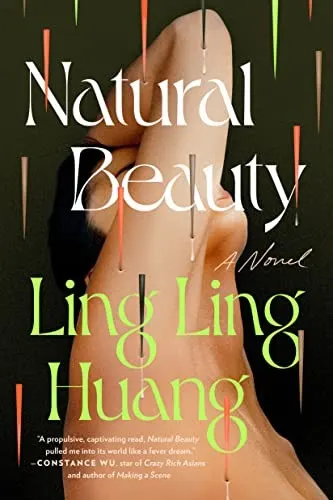
After abandoning a promising musical career to care for her parents, an unnamed Chinese American pianist takes a job at an elite beauty company whose immaculate surfaces conceal something deeply wrong. Huang replaces gods and mediums with serums, wellness rituals, and corporate power, yet she presses on the same bruises as Cho: queer secrecy, filial guilt, assimilation, and the frightening ease with which other people claim authority over a young woman’s body.
The prose is sensuous enough to make every treatment room gleam, then turns that beauty grotesque. Where Jess must decide which voices deserve obedience, Huang’s narrator must distinguish care from control and transformation from erasure. Natural Beauty has quickly become a touchstone of contemporary beauty-industry horror; its combination of intimate family pain and escalating nightmare is difficult to shake.