Author
Books like Nadeem Aslam
3 books we recommend to Nadeem Aslam readers, drawn from Maps for Lost Lovers — each with the reason why.
If you loved Maps for Lost Lovers
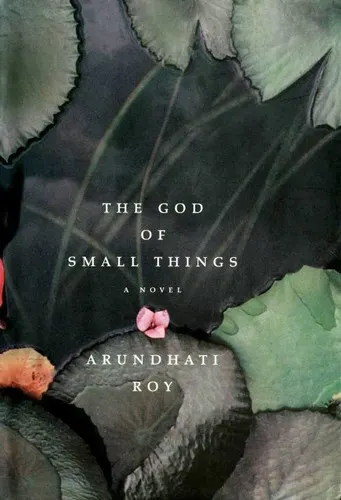
Roy’s Booker Prize–winning novel has the same rare ability to make language itself carry memory, desire, and dread. Its repetitions, fractured chronology, sensuous images, and childlike verbal inventions gradually expose how caste, family respectability, and inherited rules govern whom people may love.
Like Aslam, Roy understands that communal prohibitions are enforced not by abstractions but through kitchens, gestures, gossip, and intimate betrayals. Every lush detail seems beautiful and dangerous at once. Few novels match Maps for Lost Lovers so closely in joining stylistic rapture to moral horror; leaving it unread means missing one of modern fiction’s great reckonings with forbidden love.
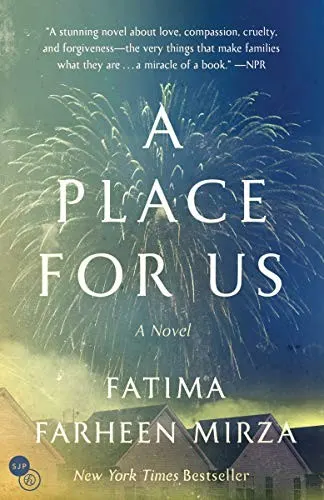
At an Indian Muslim wedding in California, an estranged son returns to his family, and Mirza begins opening the accumulated history behind that charged reunion. Her terrain is the family interior: parental tenderness turning into control, siblings keeping one another’s secrets, and children trying to distinguish genuine faith from fear of disgrace.
Mirza writes more quietly than Aslam, but with comparable compassion for people caught between love and the damage they do in love’s name. No character is reduced to a position in a cultural argument; belief, rebellion, shame, and forgiveness remain painfully entangled. The novel’s final movement recasts everything before it with such emotional precision that many readers finish it feeling they have lived inside this family.
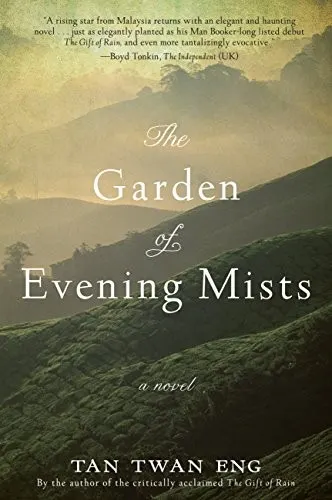
A retired judge, beginning to lose her memory, returns to a secluded garden in the Malaysian highlands and to the Japanese gardener who once taught her how beauty can preserve, disguise, and reshape the past. Tan’s imagery—mist, stone, water, scarred bodies—is controlled and luminous, giving physical form to grief much as Aslam’s flowers, seasons, and painted houses do.
This is the choice for the reader who loved not only Aslam’s social vision but his conviction that exquisite things can grow beside unforgivable violence. Shortlisted for the Booker Prize and winner of the Man Asian Literary Prize, it is a novel of extraordinary formal poise: restrained where Aslam is luxuriant, yet equally haunting about memory, loss, and the price of making art from suffering.