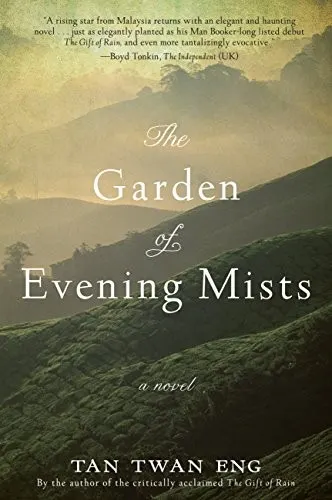
Books like The Garden of Evening Mists
Begin in a small Yorkshire church, where a veteran uncovers a medieval painting: J. L. Carr’s setting is far from Malaya, yet its union of damaged memory, painstaking beauty, and feelings held just below the surface makes it an unusually close companion to Tan Twan Eng’s novel. The other two recommendations approach the same haunting territory through self-deception and the emotional aftermath of war.
If you liked The Garden of Evening Mists, you’ll love these
Not lookalikes — kindred books. Each one shares something essential with The Garden of Evening Mists, and we tell you exactly what.
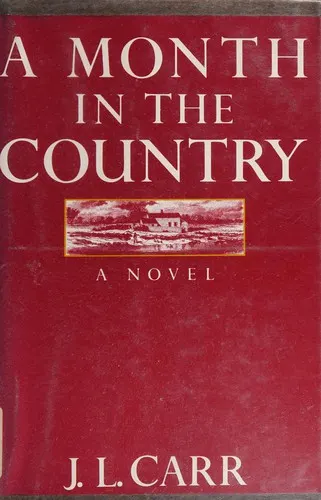
Like The Garden of Evening Mists, this brief, exquisite novel asks whether making or restoring something beautiful can give form to suffering that cannot be spoken. In the summer after the First World War, a shell-shocked veteran arrives in a Yorkshire village to uncover a mural hidden beneath centuries of whitewash. Carr makes the physical work—the ladder, the plaster, the emerging colors—as absorbing and spiritually charged as Tan makes the creation of a garden.
Booker-shortlisted and cherished by generations of readers, A Month in the Country has the rare emotional precision of a remembered season whose happiness could only be recognized afterward. Its restraint is devastating: almost nothing is overstated, yet loneliness, desire, friendship, and irrecoverable time gather behind every sentence. Few novels so short leave such a long afterimage.
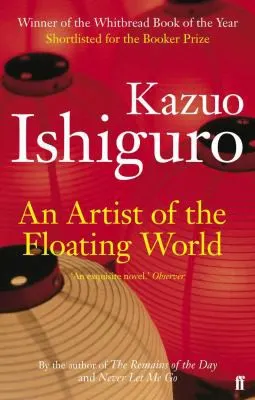
If you were gripped by Yun Ling’s struggle to shape a morally difficult past into a coherent story, Ishiguro offers an even more treacherous act of remembrance. In postwar Japan, an aging painter reflects on his career, his family, and the uses to which his art was put. His courteous, measured narration gradually reveals how memory edits shame—not necessarily by lying, but by changing emphasis, revising tone, and circling what cannot be faced directly.
Winner of the Whitbread Book of the Year and shortlisted for the Booker Prize, the novel is one of Ishiguro’s finest demonstrations of the power of omission. Its cultivated surfaces—gardens, paintings, formal conversations—are never mere decoration; they are where responsibility and self-protection meet. Anyone who admired Tan’s fusion of aesthetic beauty with historical guilt should not miss this quiet, unnerving masterpiece.
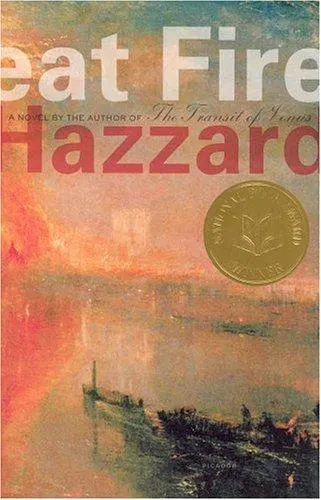
Shirley Hazzard begins amid the wreckage of the Second World War and writes about what comes after victory: exhausted bodies, displaced loyalties, and the dangerous return of hope. Her central figure, an English war veteran traveling through Asia, encounters a family whose private tensions prove as consequential as the public history surrounding them. The kinship with Tan lies less in geography than in Hazzard’s conviction that war persists inside manners, love, and silence long after the fighting ends.
The Great Fire won the National Book Award, and its admirers prize Hazzard’s sentences for their intelligence, compression, and sudden radiance. She treats romantic feeling with complete seriousness while never severing it from power, history, or moral cost. The result is sweeping without being loud, intimate without becoming sentimental—a novel for readers who want beauty sharpened, rather than softened, by loss.