Author
Books like Mary McCarthy
3 books we recommend to Mary McCarthy readers, drawn from The Groves of Academe — each with the reason why.
If you loved The Groves of Academe
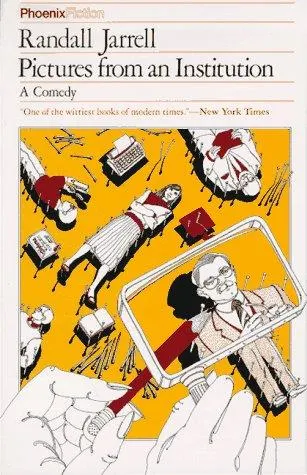
Jarrell’s only novel is one of the few academic satires sharp enough to stand beside McCarthy’s. At progressive Benton College, lofty talk about art, education, and community becomes material for vanity and combat—especially after the arrival of the magnificently destructive novelist Gertrude Johnson.
What makes it indispensable is Jarrell’s prose: his extravagant metaphors pin people to the page with an accuracy that feels almost indecent. Yet beneath the caricature lies real knowledge of how institutions encourage people to disguise appetite as principle. If McCarthy’s merciless intelligence delighted you, Jarrell’s cult classic is the nearest thing to another dose.
Father Urban is a gifted, worldly priest trapped in an unimpressive religious order, and his talent for persuasion may be inseparable from his appetite for comfort, influence, and success. Powers watches him maneuver with a dry precision that will feel wonderfully familiar to a McCarthy reader: every noble justification carries a faint scent of self-interest.
Winner of the National Book Award, Morte D’Urban expands institutional comedy into a subtler moral inquiry. It is extremely funny about bureaucracy and status, but it also asks what happens when a consummate operator encounters demands his charm cannot finesse. Few novels make compromised motives so entertaining—or so spiritually consequential.
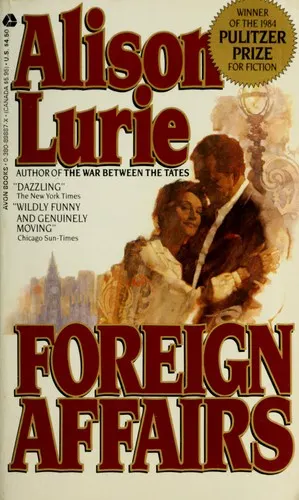
Lurie’s Pulitzer Prize–winning novel follows two American academics abroad, each equipped with an elaborate theory of who they are and what sort of life they deserve. Experience promptly begins revising those theories.
Like McCarthy, Lurie understands that intelligence offers no immunity from foolishness; it merely supplies more sophisticated explanations for it. Her comedy is cooler and more intimate than McCarthy’s, alert to professional hierarchy, erotic vanity, cultivated taste, and the cruelty of apparently reasonable judgments. Foreign Affairs has the polished ease of a social comedy and the hidden bite of an autopsy: miss it, and you miss one of the finest modern demonstrations that satire can be both ruthless and unexpectedly tender.