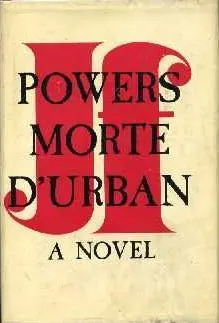
Books like Morte d'Urban
Morte d’Urban performs its finest trick when Father Urban’s worldly competence stops looking like the opposite of spiritual life and becomes its most searching test. These novels share Powers’s rare fusion of comedy, institutional shrewdness, and genuine moral gravity.
If you liked Morte d'Urban, you’ll love these
Not lookalikes — kindred books. Each one shares something essential with Morte d'Urban, and we tell you exactly what.
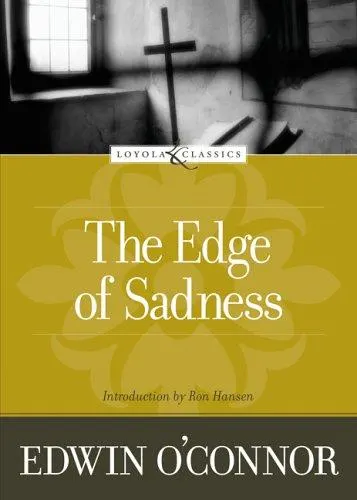
Father Hugh Kennedy, a middle-aged priest recovering from alcoholism, returns to parish life carrying little of Father Urban’s buoyant confidence. Yet O’Connor understands exactly what Powers does: a vocation is lived amid committees, old grievances, wealthy parishioners, bad dinners, family obligations, and humiliating dependence on other people.
Winner of the Pulitzer Prize, this is a compassionate rather than sentimental novel. Hugh’s dry, self-protective narration is often very funny, especially around the formidable Carmody family, but O’Connor never treats priesthood as merely comic material. Like Morte d’Urban, the book asks whether usefulness, charm, and institutional success have anything to do with grace—and finds its answers in small, painfully human encounters. Anyone who loves Powers’s ability to make clerical life both ridiculous and consequential should regard this as essential.
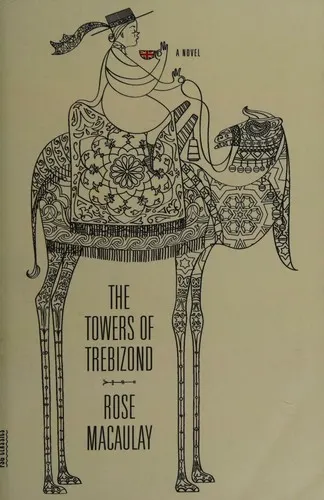
“Take my camel, dear,” Aunt Dot says in one of the great opening sentences in English comic fiction. From there Macaulay sends her narrator Laurie eastward with an eccentric Anglican party whose missionary confidence is repeatedly punctured by reality.
The comedy is bright, cultivated, and apparently effortless: argumentative clergy, ecclesiastical enthusiasms, impractical schemes, and a camel with decided opinions. Beneath it, however, lies the same ache that gives Morte d’Urban its staying power—the knowledge that religious belief may be true even when its representatives are absurd, and that recognizing the truth is not the same as being able to live by it. Macaulay’s final novel, awarded the James Tait Black Memorial Prize, is adored because its hilarity gradually reveals an extraordinary spiritual seriousness. Few novels move so naturally from farce to longing.
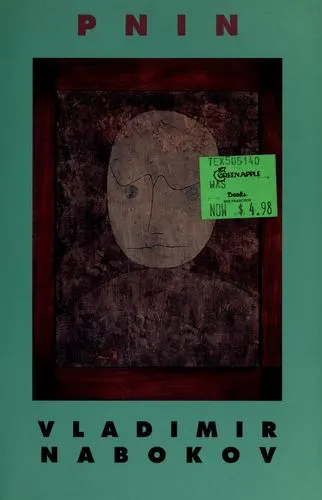
Professor Timofey Pnin begins the novel on the wrong train, fiercely guarding the lecture he intends to deliver. His university career continues in this key: missed signals, unsuitable rooms, bureaucratic indignities, and gallant attempts to impose order on an institution that barely notices him.
Pnin lacks Father Urban’s social fluency, but Nabokov creates the same unstable mixture of amusement and allegiance. We laugh at a man’s elaborate habits and professional mishaps, then realize that the comedy has taught us to see his courage. The academic world is rendered with Powers-like precision: status anxieties, cultivated vanities, committee politics, and the tiny territorial wars by which institutions consume their members.
One of Nabokov’s most beloved novels, Pnin is shorter, warmer, and more immediately inviting than his reputation for difficulty might suggest. Its comedy keeps deepening after the laughter—and its hero, like Father Urban, becomes unforgettable precisely because dignity and absurdity cannot be separated.