Author
Books like Marguerite Yourcenar
3 books we recommend to Marguerite Yourcenar readers, drawn from Memoirs of Hadrian — each with the reason why.
If you loved Memoirs of Hadrian
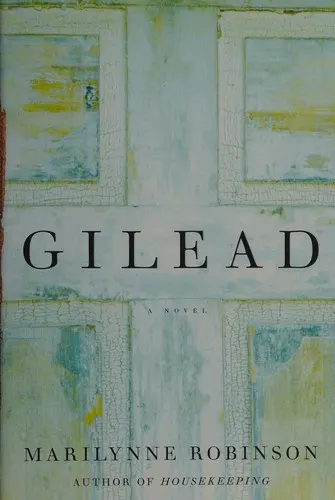
Like Hadrian’s address to Marcus, John Ames’s letter is both bequest and self-inquiry: an old man tries to transmit what experience has taught him while gradually discovering what he has never understood about himself. Robinson shares Yourcenar’s gift for making reflection dramatic. A remembered meal, a theological question, or a flicker of jealousy can alter the moral balance of an entire life.
Winner of the Pulitzer Prize and beloved for its grave, luminous prose, Gilead offers the same rare pleasure as Memoirs of Hadrian: sustained intimacy with an intelligence at once wise, fallible, tender, and conscious of death. Its scale is domestic rather than imperial, but its spiritual reach is immense.
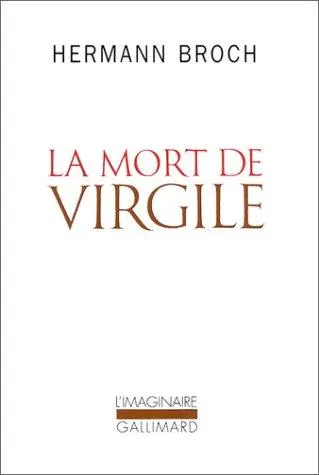
Virgil arrives in Brundisium gravely ill, carrying the Aeneid and doubting whether his great work deserves to survive. From that threshold Broch builds one of modernism’s most ambitious novels: a vast, incantatory passage through memory, artistic conscience, political power, and approaching death.
Where Yourcenar’s prose is poised and sculptural, Broch’s moves like music—repetitive, engulfing, sometimes hallucinatory. Yet both novels ask what culture, beauty, and authority are worth when judged by a dying man who can no longer flatter himself. The Death of Virgil is demanding, but its reputation as a modernist masterpiece is earned: few novels make a final reckoning feel so intellectually immense or sensuously immediate.
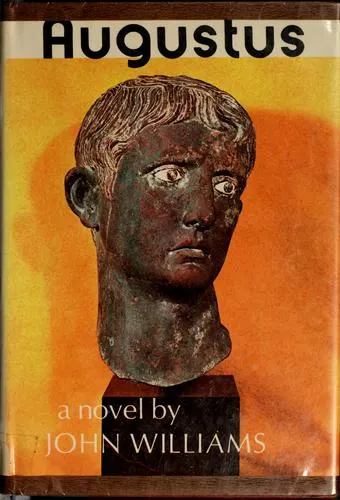
John Williams refuses to give Augustus a single authoritative voice. Instead, letters, journals, official records, and hostile recollections assemble the man indirectly, each document exposing the interests and blindness of its author. The result is not a pageant of Roman history but a subtle investigation of how power isolates, how public identities are manufactured, and how little even the ruler of the world can control his own meaning.
Winner of the National Book Award, Augustus has the lucid restraint and moral complexity that admirers of Yourcenar prize. Its fragmented form makes an ideal counterpoint to Hadrian’s commanding monologue: one emperor authors his life; the other must be recovered from competing versions. By the time Augustus’s own voice comes fully into focus, Williams has made historical consciousness itself unexpectedly moving.