Author
Books like Lee Min Jin
3 books we recommend to Lee Min Jin readers, drawn from Pachinko — each with the reason why.
If you loved Pachinko
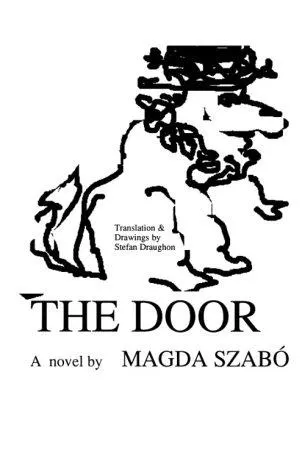
A celebrated writer employs Emerence, an imperious housekeeper who accepts no authority, works with astonishing discipline, and allows almost nobody through the door of her home. Their bond becomes a struggle over trust, gratitude, class, and the limits of anyone’s right to help another person.
Readers who loved Sunja’s unsentimental strength will recognize Szabó’s reverence for labor and her understanding that devotion is often shown through food, cleaning, endurance, and sacrifice rather than declarations. Yet neither woman is idealized: affection produces vanity, resentment, and terrible misjudgments. Named one of The New York Times Book Review’s ten best books of 2015, this compact Hungarian masterpiece leaves a moral wound as deep as many family epics.
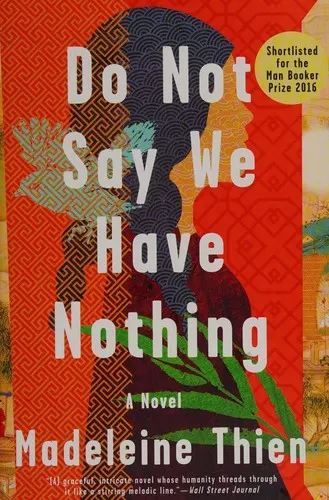
In Vancouver, a young woman begins piecing together the lives of two interconnected Chinese families through notebooks, stories, and music. The narrative reaches back into revolutionary China, where gifted musicians must decide what can be preserved—and what must be concealed—when political power enters rehearsal rooms, friendships, and families.
Like Pachinko, Thien’s novel makes history intimate: governments alter names, occupations, loyalties, and the possibilities available to children not yet born. Its people survive through compromises that are neither easily condemned nor comfortably excused. The prose is more intricate and musical than Lee’s, but the emotional accumulation is similarly devastating. Winner of the Giller Prize and shortlisted for the Booker, it is one of the essential family novels of this century.
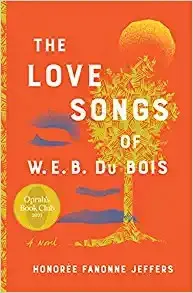
Ailey Pearl Garfield grows up within a large Black Southern family whose stories stretch far beyond the memories its living members can—or wish to—share. Jeffers alternates Ailey’s coming of age with ancestral narratives shaped by land, slavery, Indigenous dispossession, education, desire, and closely guarded family knowledge.
What connects it most powerfully to Pachinko is its sense that inheritance is never abstract. It appears in bodies, ambitions, silences, repeated mistakes, recipes, houses, and the stories women tell one another. Jeffers gives even minor relatives an independent gravity, creating the feeling that a family is not a single line but a crowded, contested world. This National Book Critics Circle Award winner is vast, demanding, and fiercely beloved: finish it and Ailey’s family feels less like a cast of characters than a history you have somehow entered.