Author
Books like Larry McMurtry
6 books we recommend to Larry McMurtry readers, drawn from Lonesome Dove and Terms of Endearment — each with the reason why.
If you loved Lonesome Dove
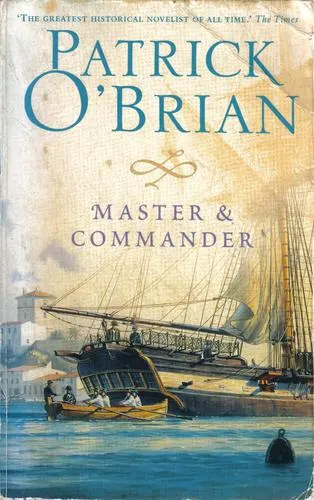
The deepest kinship is companionship. Jack Aubrey, an exuberant naval officer, and Stephen Maturin, a prickly physician and naturalist, meet in the opening pages and begin one of fiction’s great friendships. Like Gus and Call, they are opposites whose affection is expressed through arguments, jokes, exasperation, and trust rather than declarations.
O’Brian also makes an isolated working community wholly tangible: meals, weather, hierarchies, technical skill, boredom, and sudden danger all matter. His humor makes the peril sharper, never cheaper. This is the entrance to a twenty-book sequence whose admirers routinely reread it as one enormous novel; starting it may give you the closest thing available to joining the Hat Creek outfit again.
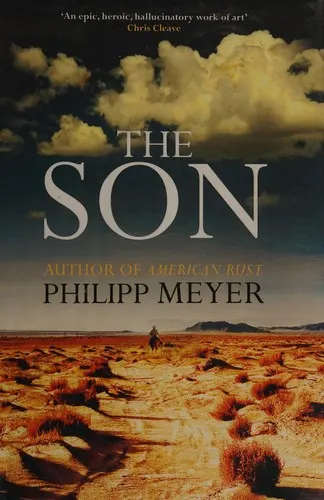
The resemblance goes far beyond Texas scenery. Meyer shares McMurtry’s ability to make history feel both enormous and brutally personal, stripping inherited legends of innocence without draining them of grandeur. Through three generations of one family, The Son examines how courage, appetite, violence, and luck become wealth—and how wealth becomes a story people tell to excuse its origins.
A Pulitzer Prize finalist, it is fiercer and colder than Lonesome Dove, but comparably ambitious: a family saga filled with people who cannot escape either the past or their own natures. Eli McCullough is the kind of commanding, morally troubling character around whom an entire world can be built. Missing this means missing one of the strongest modern attempts to reckon with the mythology McMurtry helped remake.

If what you miss most is the sheer pleasure of traveling with a rough, funny, quarrelsome band for hundreds of pages, read this Swedish classic. Young Red Orm is swept into Viking life, and Bengtsson follows his adventures in a wonderfully dry, matter-of-fact voice: battles, hunger, faith, treasure, and absurd reversals arrive without pomposity.
Its people are violent but vividly human, forever bargaining, boasting, complaining, and adapting. As in Lonesome Dove, comedy and death occupy the same road, and the book’s expansive structure makes years pass with the satisfying rhythm of campfires and remembered tales. Long cherished in Sweden and a cult favorite in English, The Long Ships is that rare epic whose size feels like generosity—you finish wishing the company had farther to go.
If you loved Terms of Endearment
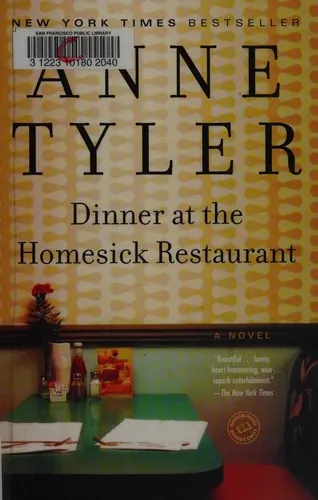
Like McMurtry, Tyler understands that families develop private mythologies in which everyone remembers the same wound differently. After Pearl Tull’s husband leaves, she raises three children in Baltimore with fierce competence, anger, and need; each child grows into a distinct, imperfect adult whose view of the family revises the others’. The shifting perspectives give even the most exasperating characters their due.
A Pulitzer finalist and one of Tyler’s defining novels, it has the same rare tonal balance as Terms of Endearment: mordant without cruelty, tender without sentimentality. Its recurring family dinners are funny, disastrous, hopeful, and painfully recognizable.
Adele August has some of Aurora’s theatrical force, but far less stability. Driving west with her daughter Ann, she treats ordinary life as something sheer confidence can reinvent. Ann watches her mother with a child’s dangerous mixture of embarrassment, vigilance, resentment, and adoration.
Simpson’s celebrated debut makes maternal love feel both sustaining and coercive. The dialogue snaps, the humiliations are exact, and neither woman is reduced to victim or monster. Readers who loved Emma and Aurora’s ability to injure, entertain, and remain bound to one another will find this darker mother-daughter portrait almost impossible to shake.
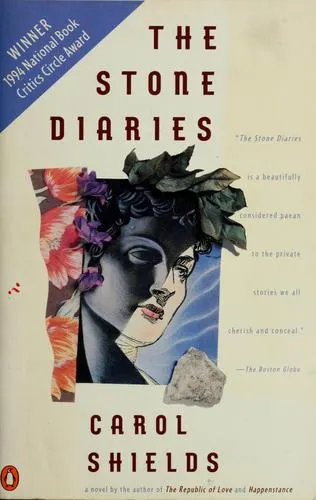
Shields takes the supposedly ordinary life of Daisy Goodwill and reveals how much can disappear between what a woman experiences and what others think they know about her. Its wit is quieter than McMurtry’s, but equally alert to vanity, loneliness, social performance, and the absurd negotiations hidden inside domestic life.
Winner of both the Pulitzer Prize and Canada’s Governor General’s Award, The Stone Diaries earned its reputation by making an uncelebrated life feel inexhaustible. It shares Terms of Endearment’s deepest conviction: daily existence—marriage, motherhood, disappointment, jokes, small acts of endurance—is not the material surrounding the drama. It is the drama.