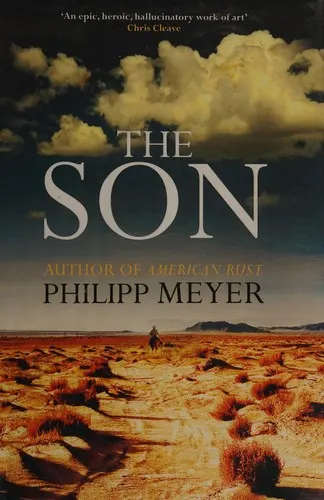
Books like The Son
The Big Rock Candy Mountain turns the dream of American self-invention into an intimate family tragedy; The Known World widens that scrutiny into a whole society implicated in power and bondage. Alongside them, The Sport of Kings offers the closest match for Philipp Meyer’s exhilarating combination of dynastic sweep, brutality, and formal ambition.
If you liked The Son, you’ll love these
Not lookalikes — kindred books. Each one shares something essential with The Son, and we tell you exactly what.
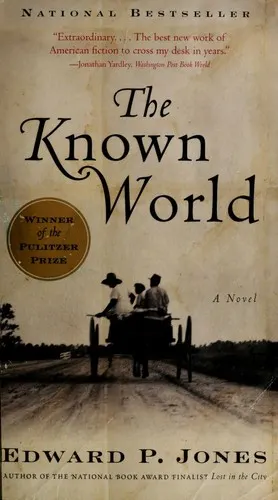
Like The Son, this Pulitzer Prize winner understands history not as backdrop but as countless private choices hardening into a social order. Its starting point—a Black slaveholder’s death in antebellum Virginia—opens into an astonishing mosaic of enslaved people, landowners, families, and officials, each granted an inner life that complicates every easy judgment.
Jones moves freely across time, sometimes disclosing a character’s eventual fate in a sentence, creating the same sense Meyer does that generations are living inside consequences they cannot yet see. The novel is quieter than The Son, but its moral vision is just as unsparing: property, family affection, violence, and self-deception become inseparable. Few American novels reveal so powerfully how ordinary people sustain a monstrous system—and why its damage cannot be contained by one lifetime.
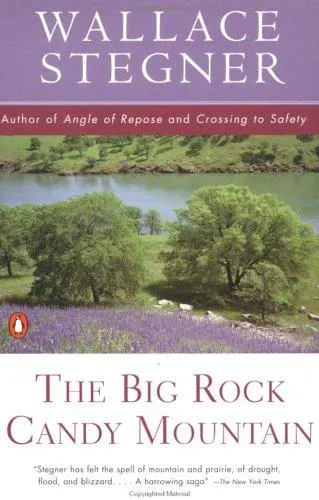
Bo Mason is driven by the promise that somewhere ahead lies the fortune, freedom, and stature ordinary life has denied him. His restless pursuit drags his wife and sons across the early-twentieth-century West, and Stegner keeps the grand American dream in constant collision with the daily reality of being married to—or raised by—the man chasing it.
Readers who admired The Son’s refusal to romanticize patriarchs will recognize Stegner’s rare balance of sympathy and indictment. Bo is charismatic, furious, inventive, and destructive; the novel makes his hunger understandable without excusing what it costs his family. Stegner’s semi-autobiographical classic has endured because its domestic scenes carry the force of national history. It reveals that conquest begins at home, and that the people closest to a self-made man often pay for the legend he builds.
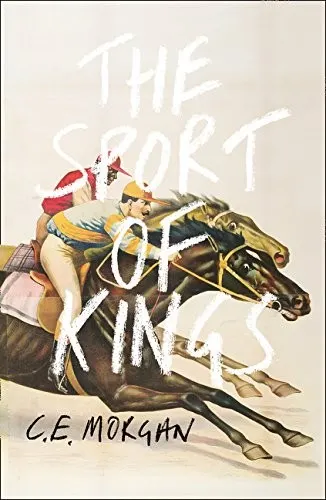
This Pulitzer finalist is the recommendation for anyone who finished The Son wanting another huge, audacious novel about bloodlines, inherited power, and the stories ruling families tell to make domination look like destiny. Morgan centers a Kentucky horse-breeding dynasty, then tears through its mythology with shifting perspectives, historical digressions, and sentences that can move from biblical thunder to clinical precision.
The crucial kinship is not ranches versus racehorses; it is the conversion of land, bodies, and violence into prestige. Morgan examines ancestry and breeding as both obsession and ideology, bringing race and class into the family saga with tremendous intellectual pressure. The book is demanding, excessive, and fiercely alive—the kind of maximalist American novel whose risks are inseparable from its power. If Meyer’s scale and moral ferocity thrilled you, Morgan’s ambition is too formidable to miss.