Author
Books like Kristin Hannah
5 books we recommend to Kristin Hannah readers, drawn from The Nightingale and The Women — each with the reason why.
If you loved The Nightingale
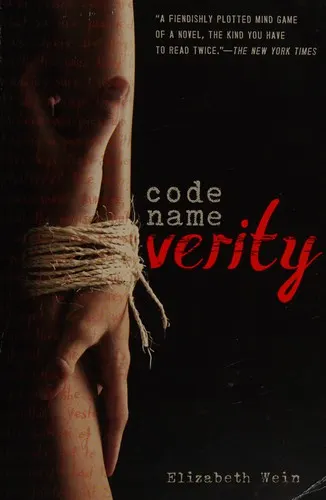
A captured British agent in occupied France is forced to write a confession; instead, she begins telling the story of her friendship with Maddie, a young pilot. Every page therefore works twice: as an urgently readable wartime narrative and as evidence of a bond whose full meaning is still coming into focus.
Like The Nightingale, this Printz Honor novel understands courage as improvisation rather than fearlessness. Its women are funny, fallible, technically capable, and fiercely loyal, and Wein makes their friendship as consequential as any military operation. The ingenious construction generates genuine suspense without sacrificing emotional depth. Ignore the young-adult label: this is one of the sharpest and most devastating novels of female wartime bravery.
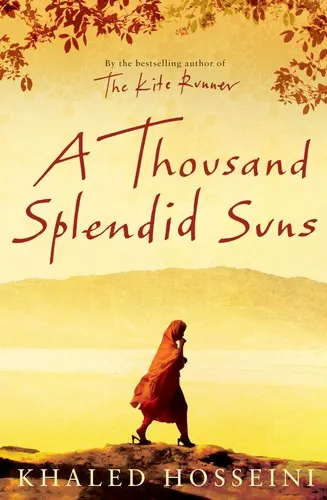
Hosseini begins with Mariam, a girl growing up on the margins of Afghan society, then widens the novel to encompass another young woman, Laila, and a country repeatedly transformed by violence. Yet the history never feels like a lecture. It is experienced through kitchens, arguments, small kindnesses, humiliations, and the daily calculations required to remain alive.
Readers who loved Kristin Hannah’s insistence that private endurance is a form of heroism will recognize the novel’s emotional power immediately. Hosseini is unsparing, but never merely bleak: tenderness becomes more precious because it is hard-won. There is a reason millions of readers have pressed this book into other people’s hands. Its central relationship has the force of an epic, and its final pages leave a lasting ache.
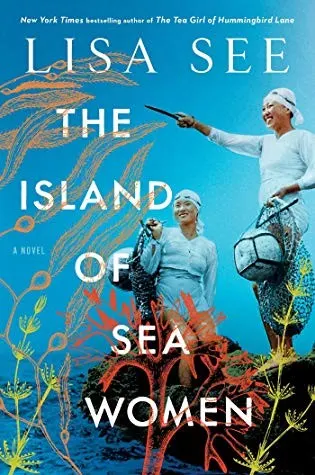
On Korea’s Jeju Island, Young-sook and Mi-ja enter the formidable community of haenyeo: women who support their families by free-diving for seafood without oxygen tanks. Lisa See renders their work so vividly that every descent feels physical—the cold, the held breath, the danger below the surface—and uses it to build a story about friendship tested by forces neither woman can control.
The deepest kinship with The Nightingale lies in See’s attention to what history demands of women, and to the painful distance between judging a choice and making it under terror. The female community is tough, practical, loving, and sometimes unforgiving; survival carries moral costs as well as triumphs. See’s painstakingly researched historical fiction has earned a devoted readership, and this is among her richest novels: an absorbing world, a bruising friendship, and a story too powerful to remain unfamiliar.
If you loved The Women
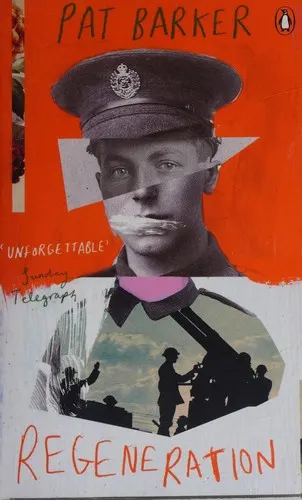
At a Scottish military hospital during the First World War, psychiatrist W. H. R. Rivers treats officers suffering from what was then called shell shock—including the poet Siegfried Sassoon, who has publicly condemned the war.
Barker captures with extraordinary precision the conflict Frankie faces in The Women: the pressure to perform courage, the shame imposed on psychological injury, and the betrayal of discovering that society prefers heroic myths to damaged survivors. Her restrained prose makes every breakdown, silence, and act of compassion hit harder. This acclaimed novel opened the trilogy that culminated in the Booker Prize–winning The Ghost Road; missing it means missing one of fiction’s definitive examinations of war’s afterlife.
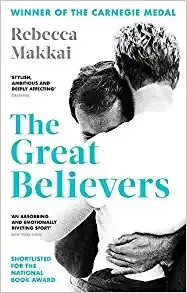
In 1985 Chicago, Yale Tishman watches AIDS begin to consume his circle of friends; decades later, his friend Fiona is in Paris confronting the long reach of those losses.
What connects this Pulitzer finalist to The Women is not war but the experience of serving on an unacknowledged front line. Makkai writes vividly about caregiving, survivor’s guilt, institutional indifference, and the fierce communities people create when the wider culture abandons them. The novel is emotionally devastating without reducing its characters to their suffering: it is funny, social, romantic, and alive. Like Hannah, Makkai understands that survival is not an ending but a difficult second story.