Author
Books like Knut Hamsun
3 books we recommend to Knut Hamsun readers, drawn from Hunger — each with the reason why.
If you loved Hunger
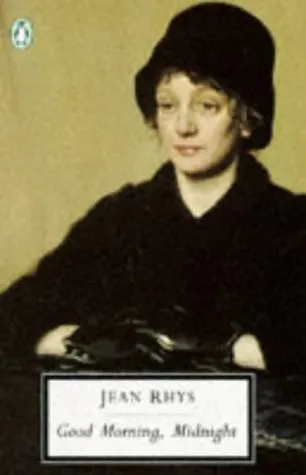
Sasha Jansen drifts through 1930s Paris with little money and an exquisitely painful awareness of how others see her. Like Hamsun’s wanderer, she turns deprivation into performance: choosing rooms, clothes, drinks, and gestures as though dignity might be preserved by arranging the visible details. Rhys catches the sudden reversals between bravado and shame with extraordinary precision.
The kinship lies especially in the prose. Memories interrupt streets; a café can become a tribunal; bleakness keeps breaking into savage comedy. Initially neglected, the novel is now widely regarded as Rhys’s masterpiece, cherished for giving failure a voice that is lucid, stylish, and impossible to patronize. Anyone moved by Hunger’s union of material poverty and feverish self-consciousness should not miss it.
Bernhard takes Hunger’s compulsive inner monologue and winds it even tighter. The narrator, once an aspiring concert pianist, broods over his friendship with the real-life genius Glenn Gould and the intolerable discovery that talent has limits. His thoughts circle, revise themselves, contradict themselves, and return with mounting force until resentment becomes rhythm.
This sounds severe, but Bernhard is ferociously funny. Vanity exposes itself even while pretending to confess; every judgment becomes a trap the speaker has built for himself. Bernhard’s incantatory style made him one of postwar Europe’s most influential and fiercely admired novelists, and The Loser is among his most accessible triumphs. If Hunger’s self-sabotaging pride felt both appalling and exhilarating, this is its virtuoso descendant.
Molloy begins with a man in his mother’s room trying to explain how he arrived there, then immediately losing confidence in the explanation. From that opening, Beckett creates a consciousness ruled by bodily need, faulty memory, stubborn routines, and a bizarre determination to continue. Even sucking stones becomes an elaborate intellectual problem.
What connects it to Hunger is not generalized misery but the miraculous conversion of abasement into comic invention. Both novels strip a person of ordinary securities and discover that the mind responds by becoming more theatrical, argumentative, and absurd. Molloy, the first volume of Beckett’s great postwar trilogy, helped transform the possibilities of the modern novel. Its reputation can obscure how entertaining it is: intimate, mischievous, and full of sentences that seem to think themselves into existence. A reader who loves Hamsun’s unstable immediacy will recognize a radical heir—and may wonder how they went without him.