Author
Books like Juan Rulfo
3 books we recommend to Juan Rulfo readers, drawn from Pedro Páramo — each with the reason why.
If you loved Pedro Páramo
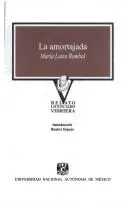
From her coffin, Ana María listens to the mourners around her and revisits the passions and injuries of her life. Bombal gives death an eerie intimacy: the supernatural is not an interruption of reality but the condition that makes buried experience audible.
Published in 1938, this brief, sensuous novel helped prepare the ground for Latin American magical realism. Like Rulfo, Bombal achieves in a few pages what other writers need a saga to accomplish—she dissolves chronological time, lets desire survive the body, and makes silence speak. Anyone captivated by the tenderness inside Pedro Páramo’s desolation should not miss this haunting precursor.
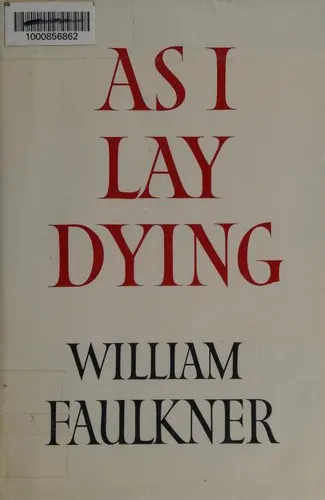
The Bundren family set out to bury their mother, and the journey is narrated by a chorus of competing minds. Each short section changes the language of the world: blunt practicality becomes feverish poetry, private grievance becomes grotesque comedy, and grief emerges through everything the characters cannot admit.
Faulkner’s influence on Rulfo is real, but this is no mere item of literary ancestry. It offers the same exhilaration of assembling a tragedy from broken voices, discovering that no single speaker owns the truth. Compact, audacious, and unexpectedly funny, it remains one of the great demonstrations that the dead can become a story’s most powerful presence.
Donoso begins with an old woman’s death and a decaying religious house, then steadily removes every certainty about who is speaking, what a body is, and where one identity ends and another begins. The prose seems inhabited: servants’ gossip, aristocratic legends, fears, disguises, and compulsions swarm together until narration itself feels possessed.
A major masterpiece of the Latin American Boom, it takes the unstable voices and haunted architecture that make Pedro Páramo unforgettable and drives them into a far longer, more claustrophobic nightmare. It is demanding, but its admirers are devoted for good reason: few novels create such a complete sensation of entering a diseased mythology and finding the door vanish behind you.