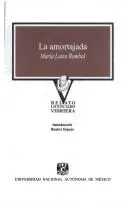
Books like The Shrouded Woman
In The Shrouded Woman, death does not silence Ana María; it strips away the courtesies that kept her from recognizing the true shape of her desires.
If you liked The Shrouded Woman, you’ll love these
Not lookalikes — kindred books. Each one shares something essential with The Shrouded Woman, and we tell you exactly what.
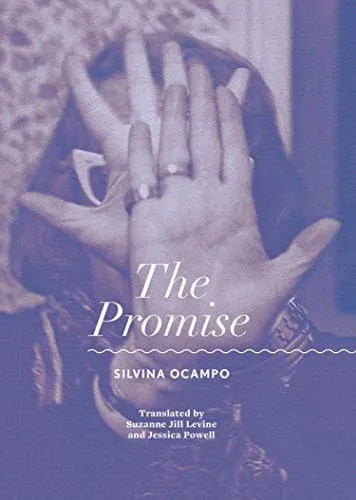
A woman falls from a ship and, while floating at sea, summons the people she has known as if memory could keep her alive. Yet this is far more than a narrative resemblance: like Bombal, Ocampo turns suspended time into a chamber where love, vanity, cruelty, and self-deception can be examined without social disguise.
Ocampo’s miniatures are sharper and stranger than Bombal’s lush reveries. Each remembered person arrives with some indelible gesture or grotesque secret, until recollection itself begins to seem like an unruly independent intelligence. Ocampo worked on this posthumously published novel for decades, and it distills the uncanny precision that has made the Argentine fabulist’s reputation steadily grow. Anyone haunted by Ana María’s final reckoning should not miss this darker, mischievous cousin to it.
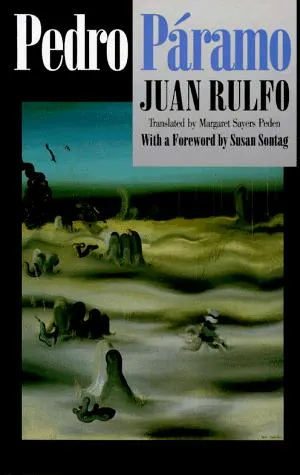
Rulfo creates a world in which longing outlives the people who feel it. A young man travels to his mother’s village to find his father, Pedro Páramo; almost immediately, voices, times, and identities begin slipping through one another. The dead are not decorative ghosts but repositories of thwarted passion, grievance, and loneliness.
A lover of Bombal will recognize the extraordinary compression: whole lives flare up in a few pages, and lyrical beauty never softens the emotional brutality. Rulfo’s only novel became a foundation stone of modern Latin American fiction and helped make later achievements such as One Hundred Years of Solitude imaginable. Its influence is immense, but its real force remains intimate—the murmured confession of an entire community that cannot stop remembering.
At a dance, the young Lol Stein watches the man she expects to marry become absorbed by another woman. Years later, a narrator tries to reconstruct what that night did to her—but Lol continually escapes every explanation offered for her.
Duras writes in repetitions, omissions, and hypnotic returns, creating the same sense Bombal does that a woman’s inner life is both exposed and finally unknowable. Desire here is not a straightforward emotion; it is an atmosphere that rearranges memory, identity, and even the position from which a story can be told. This austere, feverishly admired novel inspired a famous homage from Jacques Lacan, but its lasting distinction is artistic rather than theoretical. Few books make absence feel so sensuous—or leave a reader so productively unsure of what has just passed through them.