Author
Books like Joy Williams
6 books we recommend to Joy Williams readers, drawn from The Quick and the Dead and The Changeling — each with the reason why.
If you loved The Quick and the Dead
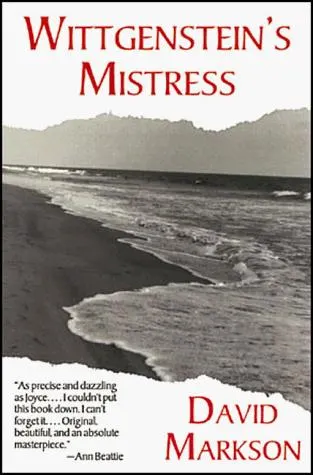
Kate believes she may be the last person alive. As she types, memories of paintings, philosophers, houses, and losses keep rearranging themselves, often with the faulty certainty of a mind trying to outargue oblivion.
A reader who loves Alice’s furious questioning in The Quick and the Dead will recognize the essential movement: metaphysical inquiry becoming character, comedy shading imperceptibly into desolation. Markson’s fragments are erudite but never merely clever; their repetitions gradually expose the grief underneath. David Foster Wallace’s passionate advocacy helped establish the novel as a cult classic, but its real distinction is stranger: it makes loneliness intellectually exhilarating. Once Kate’s voice enters your head, the absence around her feels almost populated.
In a small New Hampshire town, three girls encounter a drowned boy, and one of them may possess an alarming intimacy with death. From there, Kathryn Davis lets consciousness travel beyond the children and adults into animals, weather, geology, and the unseen forces pressing against ordinary life.
This Kafka Prize-winning novel is perhaps the closest spiritual relative of Williams’s book: not because both concern girls and mortality, but because both refuse to rank human drama above the rest of creation. Davis can pivot from playground cruelty to divine mystery to the thoughts of a dog without changing her grave, mischievous tone. The result is an ecological vision that feels genuinely religious and genuinely wild—a world in which everything is alive, everything is implicated, and nothing stays safely symbolic.
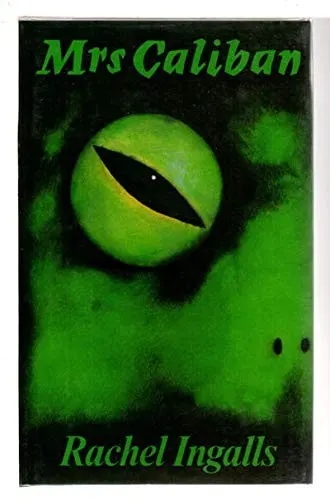
Dorothy, a grief-stricken suburban housewife, hears radio reports of an escaped amphibious creature—and soon finds the creature standing in her kitchen. Ingalls treats this impossible arrival with perfect domestic composure, which makes the novel both very funny and unexpectedly intimate.
Like Williams, Ingalls uses the bizarre not as decoration but as a test of moral perception. Who counts as human? Which forms of captivity have become too familiar to notice? Why do supposedly respectable people behave more monstrously than monsters? Beneath the deadpan surface lies fierce tenderness toward damaged lives and nonhuman beings. Long sustained by devoted readers and restored to prominence by its NYRB Classics edition, this compact cult novel achieves what far longer books cannot: it turns absurdity into heartbreak without surrendering its bite.
If you loved The Changeling
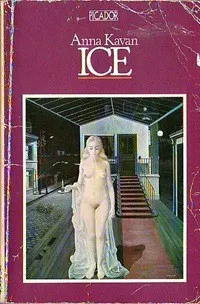
An unnamed narrator pursues an elusive young woman while immense walls of ice consume the world. Yet Ice is less science fiction than an obsessive dream whose scenery keeps changing around the dreamer.
Like Williams, Kavan refuses to stabilize what is happening or tell us whom to trust. Possession masquerades as love; vulnerability turns uncanny; environmental catastrophe feels inseparable from private brutality. Kavan’s crystalline sentences make terror eerily beautiful without domesticating it. Long cherished as a cult masterpiece, Ice is essential for anyone who loved how The Changeling makes psychological, ecological and supernatural dread feel like one indivisible weather system.
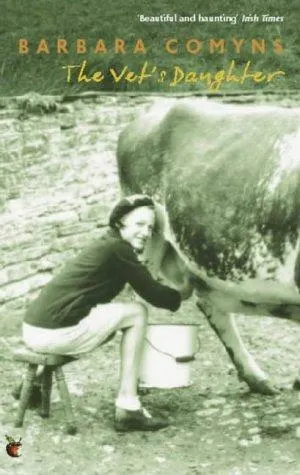
Alice Rowlands lives above her father’s veterinary surgery, surrounded by suffering animals and ruled by a man whose cruelty everyone else accepts as ordinary. Comyns tells her story in plain, almost childlike sentences—a simplicity that makes each grotesque detail land harder.
That tonal contradiction is the kinship with Williams: innocence exists beside predation, animals possess a moral presence denied to them by humans, and domestic life becomes stranger than any haunted castle. Comyns’s admirers treasure her precisely because no one else combines fairy-tale wonder, black comedy and matter-of-fact horror so naturally. The Vet’s Daughter is short, singular and difficult to shake.
Ninety-two-year-old Marian Leatherby receives a hearing trumpet and discovers that her family intends to place her in an institution. From that brutally comic beginning, Carrington creates a world in which respectable social arrangements prove far less rational than occult visions, eccentric old women or animal life.
Where The Changeling is feverish and menacing, The Hearing Trumpet is mischievous and insurgent. Both reject the tidy categories separating woman from animal, sanity from revelation and family care from coercion. Carrington—one of Surrealism’s great painters and writers—has inspired generations of devoted readers with this novel’s refusal of obedience. Its wildness is not decorative: it offers an exhilarating alternative to the reality that confines its heroine.