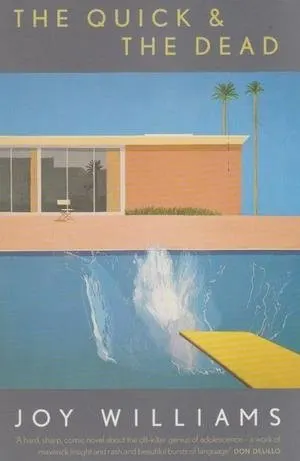
Books like The Quick and the Dead
Begin in an apparently empty world, where one woman types against extinction: these three novels share Williams’s conviction that comedy, metaphysics, grief, and moral outrage belong in the same sentence.
If you liked The Quick and the Dead, you’ll love these
Not lookalikes — kindred books. Each one shares something essential with The Quick and the Dead, and we tell you exactly what.
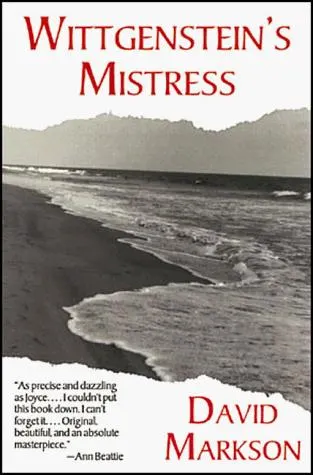
Kate believes she may be the last person alive. As she types, memories of paintings, philosophers, houses, and losses keep rearranging themselves, often with the faulty certainty of a mind trying to outargue oblivion.
A reader who loves Alice’s furious questioning in The Quick and the Dead will recognize the essential movement: metaphysical inquiry becoming character, comedy shading imperceptibly into desolation. Markson’s fragments are erudite but never merely clever; their repetitions gradually expose the grief underneath. David Foster Wallace’s passionate advocacy helped establish the novel as a cult classic, but its real distinction is stranger: it makes loneliness intellectually exhilarating. Once Kate’s voice enters your head, the absence around her feels almost populated.
In a small New Hampshire town, three girls encounter a drowned boy, and one of them may possess an alarming intimacy with death. From there, Kathryn Davis lets consciousness travel beyond the children and adults into animals, weather, geology, and the unseen forces pressing against ordinary life.
This Kafka Prize-winning novel is perhaps the closest spiritual relative of Williams’s book: not because both concern girls and mortality, but because both refuse to rank human drama above the rest of creation. Davis can pivot from playground cruelty to divine mystery to the thoughts of a dog without changing her grave, mischievous tone. The result is an ecological vision that feels genuinely religious and genuinely wild—a world in which everything is alive, everything is implicated, and nothing stays safely symbolic.
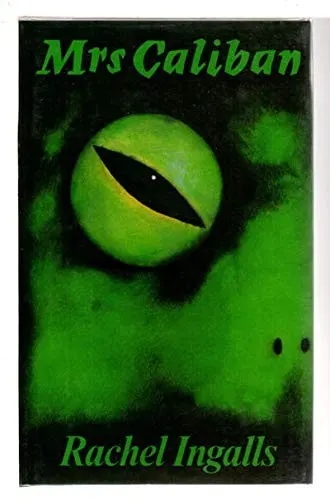
Dorothy, a grief-stricken suburban housewife, hears radio reports of an escaped amphibious creature—and soon finds the creature standing in her kitchen. Ingalls treats this impossible arrival with perfect domestic composure, which makes the novel both very funny and unexpectedly intimate.
Like Williams, Ingalls uses the bizarre not as decoration but as a test of moral perception. Who counts as human? Which forms of captivity have become too familiar to notice? Why do supposedly respectable people behave more monstrously than monsters? Beneath the deadpan surface lies fierce tenderness toward damaged lives and nonhuman beings. Long sustained by devoted readers and restored to prominence by its NYRB Classics edition, this compact cult novel achieves what far longer books cannot: it turns absurdity into heartbreak without surrendering its bite.