Author
Books like Joseph Heller
6 books we recommend to Joseph Heller readers, drawn from Catch-22 and Something Happened — each with the reason why.
If you loved Catch-22
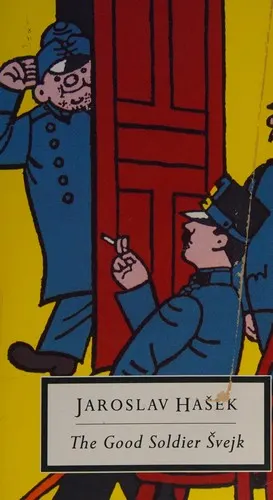
Meet the great comic ancestor of Yossarian. After an ill-advised display of patriotism gets Švejk arrested, he enters a military machine where orders proliferate, authority contradicts itself, and obedience can be more destructive than rebellion. The central joke is deliciously unresolved: is Švejk genuinely foolish, or does his literal-minded compliance expose the stupidity of everyone commanding him?
Hašek’s unfinished masterpiece helped establish the modern antiwar satire, and its hapless hero became a cultural archetype. Its comedy is looser and more rambling than Heller’s, but the cumulative effect is unmistakable: bureaucracy reveals itself as organized lunacy. Anyone who loved Catch-22’s circular arguments should read the novel that first made military obedience look like an inspired form of sabotage.
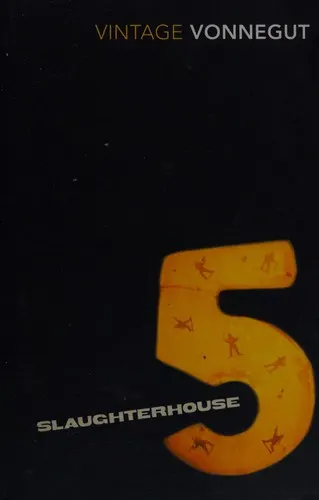
Vonnegut answers mass death with the same impossible mixture Heller mastered: vaudeville, despair, tenderness, and sentences so plain they become devastating. Billy Pilgrim has come “unstuck in time,” and the novel’s fractured chronology makes trauma—not sequence—the organizing principle. Its repetitions initially sound like comic refrains, then gather an almost unbearable weight.
A defining American novel of the twentieth century, Slaughterhouse-Five has inspired fierce devotion because it refuses both heroic war stories and solemn, beautified grief. It is shorter and quieter than Catch-22, but equally suspicious of any language that makes slaughter seem reasonable. The laughter does not soften the horror; it is the form honesty takes when conventional seriousness has failed.
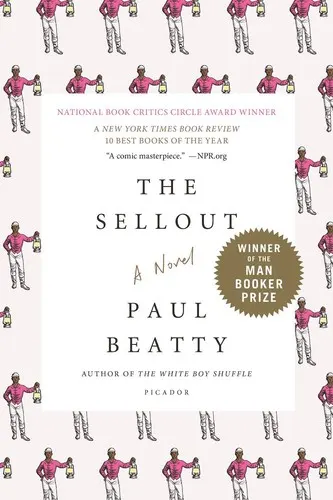
The Sellout opens with its narrator before the Supreme Court, accused of crimes so outrageous that the legal proceedings seem to have wandered into a deranged thought experiment. From there, Beatty builds jokes through escalation, contradiction, and mercilessly extended logic—the same comic machinery that makes Heller’s regulations and briefings so exhilarating.
This is not military satire but institutional satire at full voltage, aimed at race, public language, civic mythology, and America’s talent for disguising absurdity as principle. Beatty’s voice is faster, more allusive, and more gleefully abrasive than Heller’s; whole paragraphs seem one provocation away from collapse. The first American novel to win the Booker Prize, it has the rare distinction of being both intellectually formidable and genuinely, dangerously funny. Skip it, and you miss one of the few modern satires audacious enough to stand near Catch-22 without imitating it.
If you loved Something Happened
If Bob Slocum’s compulsive self-interrogation was the great attraction, The Tunnel is the essential next ordeal. A historian meant to introduce his scholarly work instead begins excavating his own resentments, humiliations, fantasies, and moral failures. His confession keeps doubling back, decorating ugliness with dazzling rhetoric and using intelligence as an instrument of concealment.
Gass makes consciousness physical: slogans, songs, lists, typographical games, and long syntactic coils turn the page into a mind under pressure. Winner of the American Book Award and widely regarded as Gass’s monumental achievement, it is difficult, grotesquely funny, and inexhaustibly alive. Few novels pursue the question Heller raises—how much evil can hide inside an apparently functional man—with such linguistic audacity.
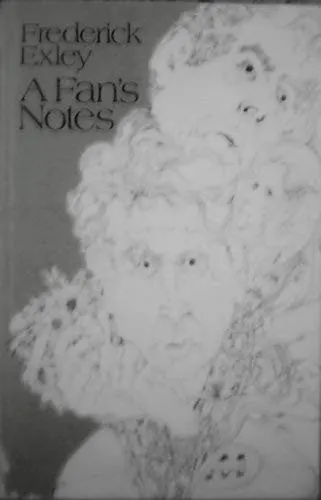
Exley’s self-named narrator is eloquent about failure and almost industrious in avoiding change. He measures himself against football hero Frank Gifford, retreats into spectatorship, and converts disappointment, alcoholism, illness, and thwarted ambition into savage comedy. Like Slocum, he wants to confess without surrendering his excuses; every flash of self-knowledge threatens to become another performance.
Published as “a fictional memoir,” A Fan’s Notes became a cult classic because its grandiosity and abasement feel painfully intimate rather than merely cynical. Exley can make a wasted afternoon absurd, shameful, and unexpectedly moving. Readers who loved Heller’s ability to expose masculine self-pity while preserving the suffering beneath it should not miss this ferocious, peculiarly lovable book.
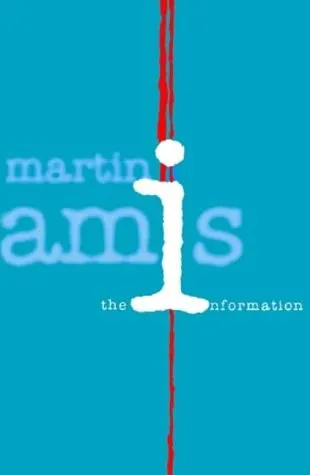
Richard Tull is a failing novelist; his closest friend, Gwyn Barry, has achieved the effortless literary success Richard believes should have been his. From that simple imbalance Amis builds a black comedy of envy in which every review, lunch, royalty statement, and social pleasantry becomes evidence in a private prosecution.
Where Heller’s sentences circle fear, Amis’s attack humiliation: metaphors flare, jokes arrive with poisoned tips, and Richard’s wounded vanity transforms the literary world into a cosmic insult aimed personally at him. Yet The Information is more than a virtuoso sneer. It understands how professional failure leaks into marriage, friendship, parenthood, and the body itself. Often considered a high point of Amis’s comic prose, it gives the reader the dangerous pleasure of inhabiting a man who can diagnose everything except his own responsibility.