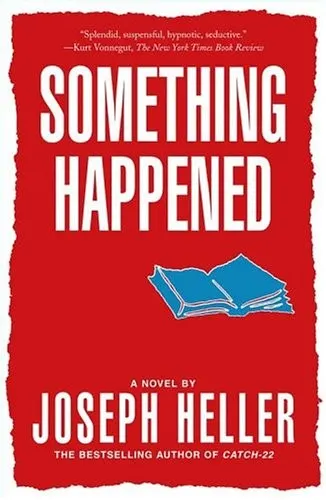
Books like Something Happened
The pages close in slowly: a funny, frightened voice talks itself in circles until office routine, marriage, fatherhood, and ordinary decency all seem contaminated by dread. These novels offer similarly unnerving company—minds whose evasions become both the comedy and the trap.
If you liked Something Happened, you’ll love these
Not lookalikes — kindred books. Each one shares something essential with Something Happened, and we tell you exactly what.
If Bob Slocum’s compulsive self-interrogation was the great attraction, The Tunnel is the essential next ordeal. A historian meant to introduce his scholarly work instead begins excavating his own resentments, humiliations, fantasies, and moral failures. His confession keeps doubling back, decorating ugliness with dazzling rhetoric and using intelligence as an instrument of concealment.
Gass makes consciousness physical: slogans, songs, lists, typographical games, and long syntactic coils turn the page into a mind under pressure. Winner of the American Book Award and widely regarded as Gass’s monumental achievement, it is difficult, grotesquely funny, and inexhaustibly alive. Few novels pursue the question Heller raises—how much evil can hide inside an apparently functional man—with such linguistic audacity.
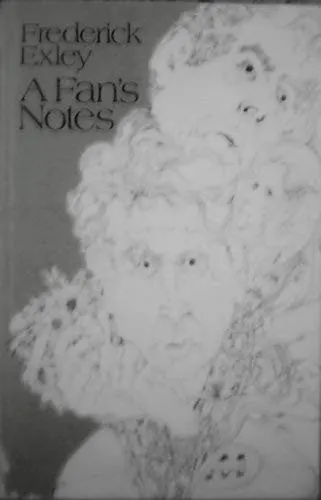
Exley’s self-named narrator is eloquent about failure and almost industrious in avoiding change. He measures himself against football hero Frank Gifford, retreats into spectatorship, and converts disappointment, alcoholism, illness, and thwarted ambition into savage comedy. Like Slocum, he wants to confess without surrendering his excuses; every flash of self-knowledge threatens to become another performance.
Published as “a fictional memoir,” A Fan’s Notes became a cult classic because its grandiosity and abasement feel painfully intimate rather than merely cynical. Exley can make a wasted afternoon absurd, shameful, and unexpectedly moving. Readers who loved Heller’s ability to expose masculine self-pity while preserving the suffering beneath it should not miss this ferocious, peculiarly lovable book.
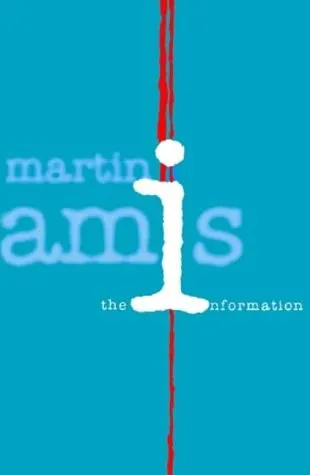
Richard Tull is a failing novelist; his closest friend, Gwyn Barry, has achieved the effortless literary success Richard believes should have been his. From that simple imbalance Amis builds a black comedy of envy in which every review, lunch, royalty statement, and social pleasantry becomes evidence in a private prosecution.
Where Heller’s sentences circle fear, Amis’s attack humiliation: metaphors flare, jokes arrive with poisoned tips, and Richard’s wounded vanity transforms the literary world into a cosmic insult aimed personally at him. Yet The Information is more than a virtuoso sneer. It understands how professional failure leaks into marriage, friendship, parenthood, and the body itself. Often considered a high point of Amis’s comic prose, it gives the reader the dangerous pleasure of inhabiting a man who can diagnose everything except his own responsibility.