Author
Books like Jeffrey Kent Eugenides
3 books we recommend to Jeffrey Kent Eugenides readers, drawn from Middlesex — each with the reason why.
If you loved Middlesex
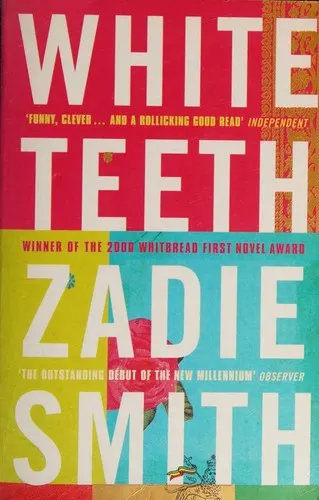
Smith’s celebrated debut has the same exhilarating sense that a family tree is also a comedy, a scientific experiment, and a record of historical accidents. Beginning with Archie Jones’s failed suicide and unlikely second chance, it expands into a warm, argumentative London crowded with immigrants, children, zealots, skeptics, and people trying unsuccessfully to escape their origins.
Like Eugenides, Smith treats heredity and identity as both serious questions and sources of glorious farce. Her characters debate whether blood, culture, faith, or choice determines a life, while the novel’s omnivorous wit keeps every grand theory vulnerable to human messiness. Few debuts have arrived with such confidence or retained such devoted readers; missing White Teeth means missing one of the liveliest family novels of its generation.
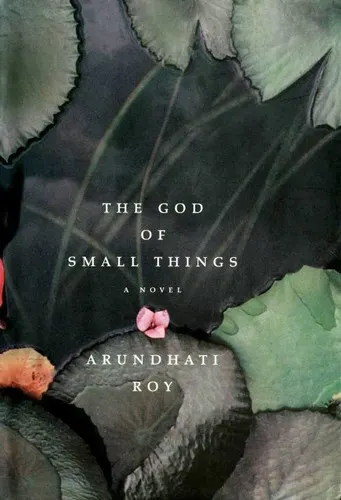
If what haunts you about Middlesex is the way a narrator circles a family secret—revealing consequences before causes—Roy’s Booker Prize-winning novel is essential. In Kerala, twins Estha and Rahel encounter a household already warped by thwarted love, social hierarchy, and old resentments. The story moves through memory rather than chronology, making the past feel not finished but continuously present.
Roy’s language is the great seduction: sensuous, playful, childlike, and exact, with repeated phrases accruing dread and tenderness. As in Middlesex, public rules inscribe themselves on private bodies, and family affection can coexist with catastrophic blindness. The novel has the inevitability of tragedy but sounds like nothing else; once its rhythms take hold, they are difficult to forget.
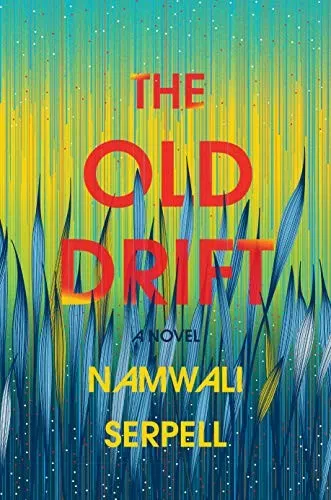
The Old Drift offers the grandest version of the pleasure Middlesex provides: watching accidents, desires, and biological inheritances ripple across generations until they resemble destiny. Serpell begins near Victoria Falls and follows three Zambian families through colonial history, independence, and a technologically transformed future, guided by an audacious collective narrator.
Yet this is no dutiful historical panorama. It is funny, extravagant, intellectually restless, and fascinated by bodies that refuse ordinary boundaries. Serpell moves easily among family saga, political novel, science fiction, and myth, much as Eugenides folds genetics and Greek tragedy into Cal’s life without sacrificing emotional immediacy. Winner of the Arthur C. Clarke Award and widely acclaimed as a major debut, The Old Drift has the rare ambition to reinvent the family epic rather than merely extend it.