Author
Books like Italo Calvino
5 books we recommend to Italo Calvino readers, drawn from If on a winter's night a traveler and The Baron in the Trees — each with the reason why.
If you loved If on a winter's night a traveler
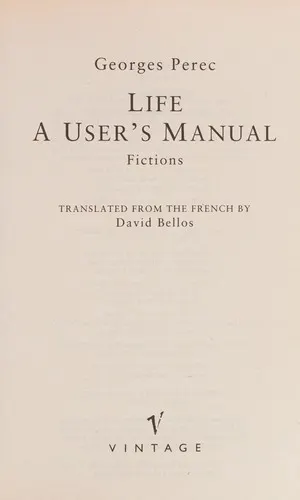
Perec turns a Paris apartment building into an inexhaustible storytelling machine. Moving room by room, he inventories paintings, puzzles, possessions, private obsessions, and interrupted lives, with each detail suggesting another narrative just beyond reach. Like Calvino, he makes structure itself a source of suspense: you gradually sense the elaborate constraints governing the novel, yet the human stories never feel like mere demonstrations.
A fellow member of the Oulipo, Perec shared Calvino’s faith that severe rules could produce extravagant freedom. This Prix Médicis–winning masterpiece is funnier, sadder, and more compulsively readable than its architectural premise suggests. If you loved Calvino’s succession of tantalizing beginnings, Perec offers an entire building full of them—and the haunting sense that no life, however minutely described, can ever be made complete.
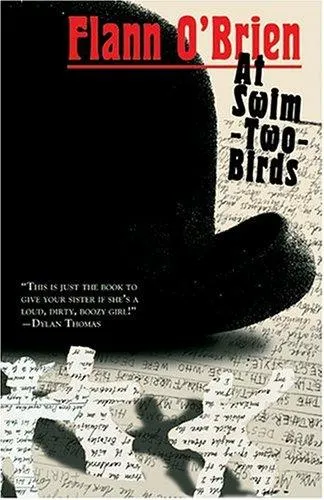
A lazy Dublin student is supposedly writing a novel, but his borrowed characters begin generating stories and grievances of their own. Irish legend, cowboy fiction, pub talk, poetry, and pompous literary prose collide until authorship starts to look less like sovereignty than a labor dispute.
Where Calvino addresses the reader with elegant mischief, O’Brien stages a boisterous revolt against narrative authority. The novel’s nested fictions move with the logic of a brilliant drinking story: digressive, audacious, and somehow exact. Neglected after its 1939 publication but later recognized as a modernist comic landmark, it has inspired generations of writers who treat fiction as a game with live ammunition. Its anarchic intelligence makes conventional novels seem painfully house-trained afterward.
Published as loose, unbound sections in a box, Johnson’s novel asks you to shuffle most of its chapters and encounter them in an order determined by chance. The device is not a decorative stunt. A sportswriter revisiting a familiar city finds memories of his dead friend breaking in unpredictably; the book’s physical disorder embodies the way grief refuses chronology and repetition refuses control.
Calvino makes the reader’s handling of a book part of the fiction; Johnson makes that handling intimate and consequential. Every arrangement becomes your version of the narrator’s remembrance, while the designated first and last sections give the experience an inescapable frame. Long cherished as one of British experimental fiction’s boldest achievements, The Unfortunates proves that formal ingenuity can deepen vulnerability rather than evade it. Few novels make the reader so literally responsible for assembling another person’s loss.
If you loved The Baron in the Trees
Diderot’s mischievous eighteenth-century novel feels like one of Calvino’s intellectual ancestors. Jacques and his master travel, argue about freedom and fate, and attempt to tell stories that are continually interrupted, diverted, contradicted, or seized by the narrator. The book turns philosophical debate into exuberant play.
Like The Baron in the Trees, it belongs to the Enlightenment while cheerfully refusing solemnity. Its formal games are not decoration: every interruption tests whether lives—or novels—can ever follow a predetermined course. Hugely influential on later metafiction and deeply admired by Milan Kundera, it remains startlingly alive: irreverent, intimate, and centuries ahead of its time.
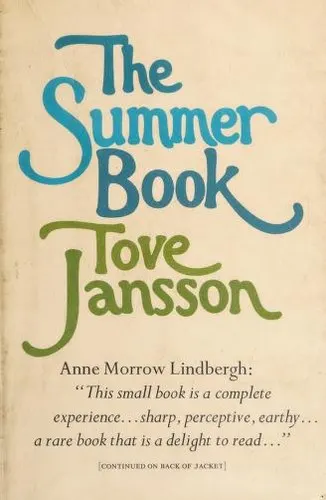
On a small Finnish island, a young girl and her grandmother spend a summer exploring, quarreling, inventing, and discussing matters as large as God and death with complete matter-of-factness. Jansson’s nature is no picturesque refuge: it is abrasive, changeable, funny, and inseparable from the characters’ inner freedom.
This beloved modern classic shares Calvino’s gift for making lightness profound. Its brief episodes have the clarity of fables but none of their tidy morals, and its affection is never sentimental. If Cosimo’s treetop life moved you because solitude and love remain entangled within it, Jansson’s tiny island will feel like another whole world distilled into a few luminous pages.