Author
Books like Henry Handel Richardson
6 books we recommend to Henry Handel Richardson readers, drawn from The Getting of Wisdom and The Fortunes of Richard Mahony — each with the reason why.
If you loved The Getting of Wisdom
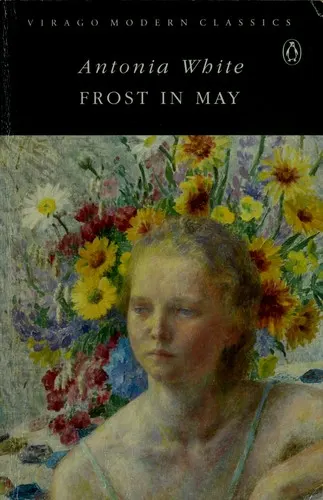
Nanda Grey arrives at an English convent school eager to submit to its elaborate rules and become the right kind of girl. Antonia White renders institutional life with Richardson’s double vision: the child feels every friendship, rebuke and distinction as momentous, while the adult novelist sees the vanity and coercion surrounding her.
Chosen in 1978 as the first Virago Modern Classic, this short, lucid novel became emblematic of the neglected women’s writing that imprint restored. Its particular marvel is that neither faith nor rebellion is simplified. Like Laura Rambotham, Nanda is intelligent, theatrical, vulnerable and continually discovering that approval has hidden terms. Anyone who loved Richardson’s unsparing account of education as social and emotional ordeal should consider this essential.
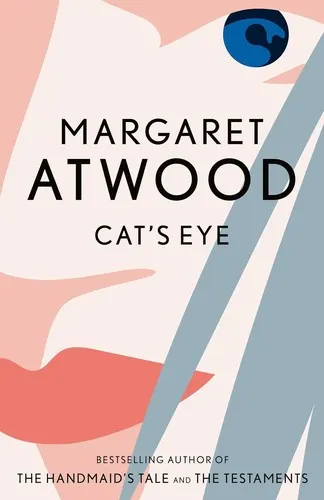
Atwood takes the half-understood cruelties of girlhood as seriously as Richardson does. When painter Elaine Risley returns to Toronto for a retrospective, memories of childhood companionship begin pressing into the present. The result is a novel about how girls invent hierarchies, enforce conformity and lodge themselves permanently in one another’s imaginations.
A Booker Prize finalist, Cat’s Eye has inspired unusually intense recognition among readers because it names forms of intimidation that adults often dismiss as trivial. Atwood’s wit is colder than Richardson’s, and her structure more intricate, but both novelists understand shame from the inside: its absurdity, its physical force and its long afterlife. Reading it can feel like finding the mature, haunted counterpart to The Getting of Wisdom.
Sybylla Melvyn’s voice erupts onto the page: vain, funny, self-lacerating, ambitious and determined not to accept the life prescribed for her. The kinship with Laura lies less in their shared Australian background than in their embarrassing vitality. Both girls try on selves, hunger for distinction, misread situations and refuse to become decorous heroines merely to please the reader.
Published in 1901 when Franklin was only twenty-one, the novel became an Australian classic and gave its name to the country’s most prestigious literary prize. Yet it remains startlingly unruly rather than dutifully canonical. Its comic exaggeration, candour about female ambition and resistance to sentimental rewards make Sybylla unforgettable. If Laura’s mixture of pretension, courage and mortification won your heart, missing Sybylla would mean missing one of her most exhilarating literary relations.
If you loved The Fortunes of Richard Mahony
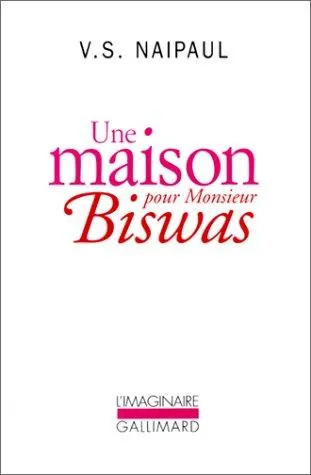
Mohun Biswas, touchy, thwarted and fiercely protective of his independence, spends his life trying to secure a place that is truly his own. As with Richard Mahony, every practical decision reveals a deeper hunger for dignity—and every setback aggravates the very traits that made escape seem possible.
Naipaul’s masterpiece is funnier than Richardson’s trilogy, but its comedy never softens its understanding of failure, marriage or dependence. A whole colonial society becomes visible through one difficult man and the family obliged to accommodate him. The result is intimate and epic at once: one of the twentieth century’s great novels of the terrible human need to possess a life of one’s own.
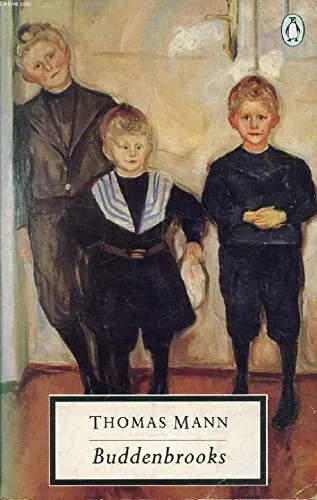
Richardson’s ability to make decline feel gradual, social and inward finds a magnificent counterpart here. Mann follows a prosperous mercantile family as inheritance changes from privilege into burden: habits harden, confidence thins, and private sensibility begins to conflict with public duty.
What makes the novel indispensable is its precision. Business dinners, marriages, illnesses and drawing-room judgments quietly acquire the force of fate. Published when Mann was only twenty-six, it became the work singled out in his Nobel citation and remains the rare family chronicle whose vast design never overwhelms its psychological subtlety.
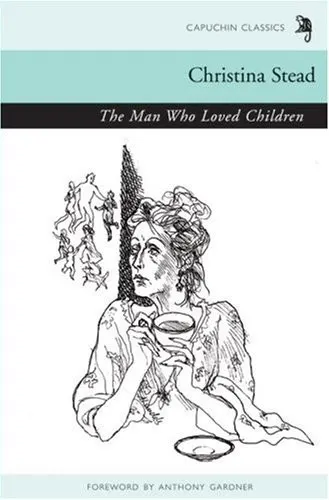
If Mary Mahony’s long, lucid endurance fascinated you as much as Richard’s deterioration, Stead’s ferocious domestic novel is essential. Its household is dominated by Sam Pollit, a charismatic, self-dramatizing father whose professions of love become instruments of control. Around him, wife and children develop their own languages of resistance, cruelty and survival.
Stead refuses easy villains or consoling innocence: she shows how personality colonizes a family, how affection can coexist with tyranny, and how relentless proximity alters everyone involved. Long championed by writers such as Randall Jarrell and widely regarded as Stead’s masterpiece, it has the same unnerving quality as Richardson’s trilogy—the sense that you have not merely read about a family but lived inside its weather.