Author
Books like Harper Lee
3 books we recommend to Harper Lee readers, drawn from To Kill a Mockingbird — each with the reason why.
If you loved To Kill a Mockingbird
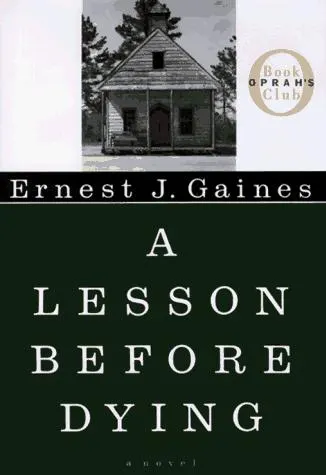
In 1940s Louisiana, a young Black man is condemned after being present at a fatal robbery, and a disillusioned schoolteacher is asked to help him face death with dignity. Gaines turns this stark premise into an intimate study of what one person owes another when the law has abandoned justice.
Like Harper Lee, Gaines writes with plainspoken force and refuses easy saints: courage emerges reluctantly, through visits, arguments, shame, and persistence. The novel’s faith in education and moral witness will speak especially strongly to readers who cherish Atticus’s example. Winner of the National Book Critics Circle Award, it has become a classroom classic for good reason—but its quiet, devastating final pages transcend anything merely instructive.

Thirteen-year-old Joe Coutts lives on an Ojibwe reservation where his father serves as a tribal judge. After violence strikes his family, Joe begins searching for answers—and discovers that the law’s tangled jurisdictions can protect injustice rather than remedy it.
Joe has Scout’s dangerous mixture of innocence, intelligence, and certainty that adults must be able to set things right. Erdrich makes his family and friends vivid, funny, loving presences, so the novel never becomes a legal parable; it remains the story of a boy crossing a moral boundary before he fully understands it. This National Book Award winner asks the hardest question latent in To Kill a Mockingbird: what happens when conscience demands justice but lawful institutions cannot deliver it?
McCullers enters a small Southern town through the lives of people who ache to be understood: among them a restless adolescent girl, a doctor furious at racial oppression, and a deaf man upon whom others project their deepest hopes. Rather than building toward a courtroom reckoning, the novel reveals injustice through private loneliness, frustrated speech, and missed connections.
Readers who love Lee’s compassionate attention to a whole community will recognize McCullers’s rare gift: she sees the ridiculousness, damage, and yearning in her characters simultaneously. Published when McCullers was only twenty-three, the novel established her as one of American fiction’s astonishing natural talents. Mick Kelly, in particular, belongs among literature’s unforgettable young observers—hungry for beauty and discovering how fiercely the world restricts it.