Author
Books like Hannah Kent
3 books we recommend to Hannah Kent readers, drawn from The Good People — each with the reason why.
If you loved The Good People
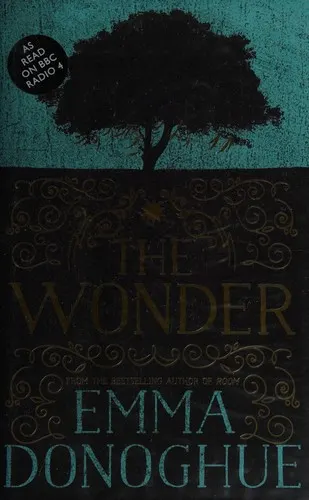
In an impoverished nineteenth-century Irish village, an English nurse is hired to observe a girl said to have survived for months without food. Donoghue turns that premise into a fierce contest between empirical certainty, religious belief, communal pride, and the stories adults impose upon children.
Like Hannah Kent, she refuses to treat belief as quaint ignorance: it is a source of identity, consolation, authority, and potentially terrible harm. The close, controlled prose makes every meal, glance, and whispered prayer consequential. From the celebrated author of Room, this is an equally gripping moral chamber piece—one that will keep changing your mind about who is protecting whom.
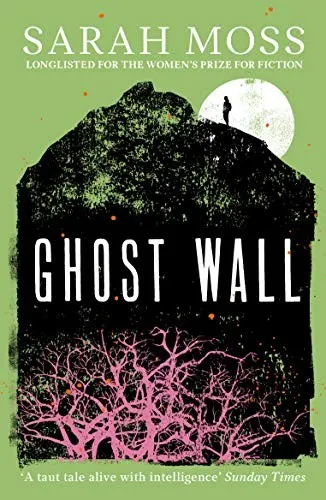
Seventeen-year-old Silvie is spending a summer in northern England, where her father and a group of archaeology students are attempting to live as Iron Age people did. Moss quickly reveals how easily fascination with ancestral customs can become permission for domination.
This short, unnervingly concentrated novel shares The Good People’s deepest insight: folklore is never merely decorative. In the wrong hands, inherited stories can make violence feel righteous and obedience feel sacred. Moss’s prose is lean, sensuous, and charged with dread; Ghost Wall has acquired devoted readers precisely because it accomplishes in fewer than two hundred pages what many larger novels cannot. You may finish it in an evening, but its final chill lasts much longer.
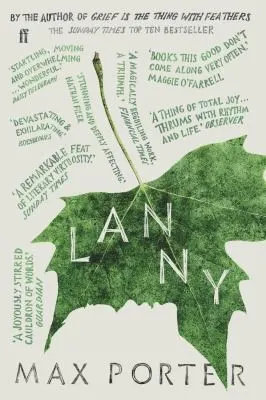
Lanny is an unusual, magnetic boy growing up in an English village whose conversations are overheard by Dead Papa Toothwort, an ancient, shape-shifting presence assembled from local legend, vegetation, and human debris. Porter lets village gossip, parental love, childish imagination, and the old green world speak over and through one another.
Where Kent sustains uncertainty between supernatural agency and human interpretation, Porter makes that boundary joyfully porous. His typography and polyphonic prose may look experimental, but the emotional core is immediate: how a community turns difference into fascination, affection, suspicion, and myth. Booker-longlisted and widely admired for its originality, Lanny feels less like a conventional narrative than a folktale coming alive in your hands.