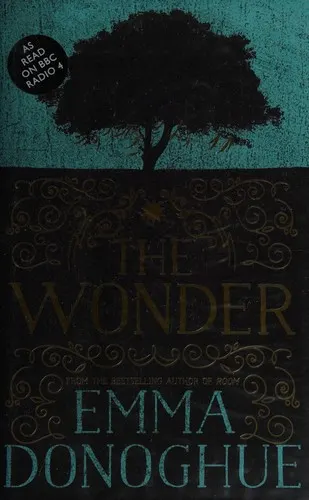
Books like The Wonder
—because what lingers is not simply the mystery, but the struggle over who may interpret a girl’s body, suffering, and story. These three novels turn that struggle in sharply different directions.
If you liked The Wonder, you’ll love these
Not lookalikes — kindred books. Each one shares something essential with The Wonder, and we tell you exactly what.
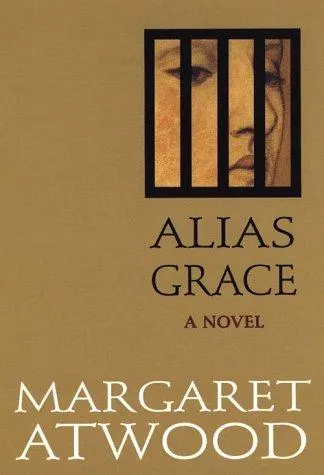
Grace Marks, imprisoned for murder in nineteenth-century Canada, recounts her life to a doctor determined to discover what she remembers—and whether she is innocent. Like The Wonder, this is an inquiry conducted through intimate conversations in which professional expertise, male authority, and supposed objectivity prove dangerously unstable.
Atwood makes every detail of domestic labor and every shift in Grace’s voice matter. The result is both a gripping historical mystery and a sly examination of how society manufactures stories about inscrutable women. Winner of the Giller Prize and shortlisted for the Booker, Alias Grace offers the rare pleasure of a novel whose ambiguity makes it more emotionally compelling, not less.
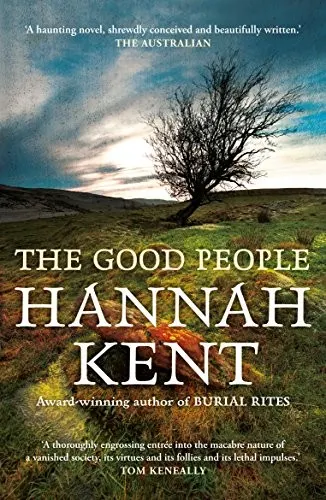
In rural Ireland in 1825, a bereaved woman caring for her disabled grandson turns to Nance Roche, a healer who believes the child has been taken by the fairies. Kent refuses the easy contest between enlightened reason and foolish superstition. Instead, she shows belief growing from grief, poverty, isolation, and the desperate need to make suffering intelligible.
Readers who admired Donoghue’s unsentimental portrayal of faith will recognize the same moral pressure here: what begins as care can become coercion when a whole community reinforces it. Kent’s physical world—smoke, mud, herbs, cramped cabins—is extraordinarily vivid, but the novel’s real force lies in its compassion for people moving toward catastrophe while believing they are doing good.
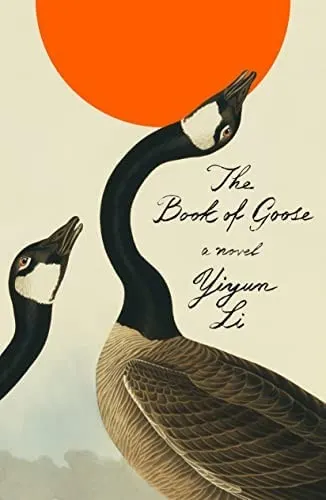
Two girls in a poor postwar French village begin inventing stories together; when adults discover their work, their private game becomes a public sensation. Li is interested less in literary success than in the unsettling bond between the girls: one commands, the other performs, and affection becomes almost impossible to separate from manipulation.
This is the least obvious but perhaps deepest companion to The Wonder. Both novels understand the adult hunger to turn a strange child into a miracle, and both ask what happens when the child at the center becomes trapped inside everyone else’s interpretation. Winner of the PEN/Faulkner Award, The Book of Goose is spare, eerie, and devastating—the kind of novel whose calm sentences conceal an emotional undertow that keeps strengthening after the final page.