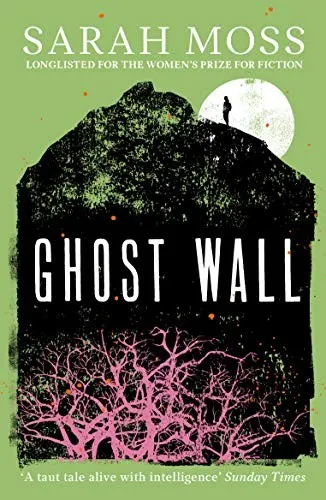
Books like Ghost Wall
Ghost Wall turns an educational reenactment into a study of how quickly “heritage” can become permission: for domination, humiliation, and finally ritualized violence.
If you liked Ghost Wall, you’ll love these
Not lookalikes — kindred books. Each one shares something essential with Ghost Wall, and we tell you exactly what.
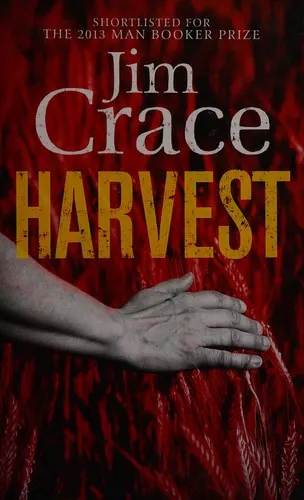
Crace dismantles the pastoral dream as ruthlessly as Moss dismantles nostalgia for ancient Britain. In an isolated village, the arrival of strangers exposes how tradition, belonging, and fear can be manipulated until ordinary people begin to accept cruelty as necessity.
The prose is tactile—smoke, soil, grain, bruised light—but never comforting. Its gathering menace and moral compression make this Booker-shortlisted, International Dublin Literary Award-winning novel feel inevitable without becoming predictable. If Ghost Wall left you suspicious of anyone invoking “the old ways,” Harvest is indispensable.
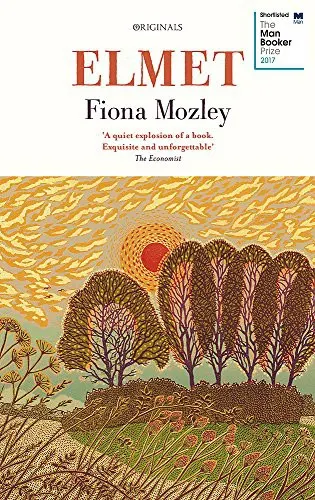
Daniel and his sister live with their formidable father on the margins of English society, bound together by love, loyalty, and his intoxicating belief that they can answer to nobody. Mozley understands, as Moss does, how a parent’s private mythology can protect children while also enclosing them.
Her Yorkshire landscape is beautiful but politically charged: every copse and field raises questions about who owns the land, who makes the rules, and whose violence is considered legitimate. Shortlisted for the Booker Prize, this startling debut has the force of a ballad and the unease of a half-remembered warning.
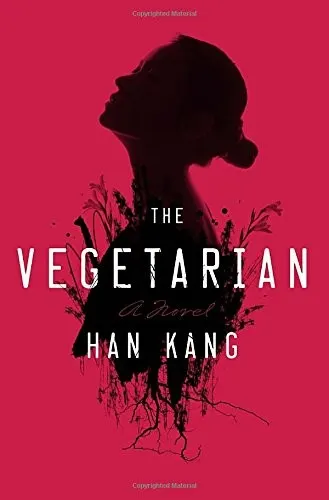
A woman’s seemingly simple decision to stop eating meat provokes her family into treating her body as contested property. Han Kang traces the reaction through several viewpoints, revealing how intimate concern shades into coercion—and how readily relatives call domination love.
Like Ghost Wall, it is spare, feverish, and alert to the violence hidden inside respectable family roles. Yet its surreal imagery takes that insight somewhere stranger and more radical. The novel won the 2016 Man Booker International Prize and announced Han Kang to many English-language readers years before her Nobel Prize; its disturbing power has only grown.