Author
Books like Gustave Flaubert
6 books we recommend to Gustave Flaubert readers, drawn from Madame Bovary and Sentimental Education — each with the reason why.
If you loved Madame Bovary
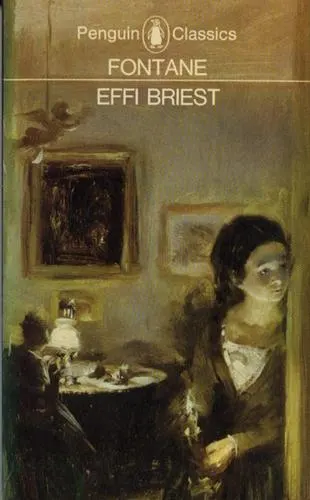
Fontane’s masterpiece of German realism has the poised irony and merciless restraint that make Madame Bovary unforgettable. Teenage Effi enters marriage full of half-formed romantic expectations, only to find herself enclosed by convention, boredom, and a husband whose respectability is itself a kind of prison.
Where Flaubert dazzles with sculpted sentences, Fontane works through understatement: polite conversations trail into silence, rooms acquire emotional menace, and society’s judgments seem to operate without anyone quite taking responsibility for them. His refusal to simplify Effi into either sinner or victim gives the novel its lasting power. This is perhaps the closest companion to Madame Bovary—not an imitation, but another perfect demonstration of how quietly a life can be destroyed.
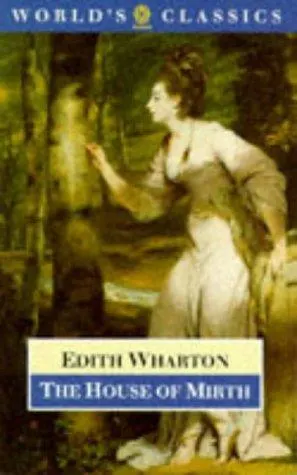
Lily Bart knows that beauty is capital, marriage is a market, and one social mistake can become ruinous—yet she cannot make herself live entirely by those brutal truths. Wharton turns drawing rooms, dresses, card tables, and country houses into instruments of suspense. Every invitation has a price; every apparently casual remark shifts the balance of power.
A reader who loves Flaubert’s exact descriptions of objects and manners will relish Wharton’s equally sharp ability to expose the hunger beneath elegance. But Lily is not simply Emma transplanted into New York society: she is more self-aware, more socially perceptive, and therefore caught in a different, exquisitely painful bind. The novel that established Wharton as a major writer remains devastating because its glitter never conceals the machinery grinding underneath.

Revolutionary Road begins with a failed amateur play and then turns the theatrical metaphor inward: Frank and April Wheeler have built their marriage around the conviction that they are exceptional people temporarily trapped in an ordinary life. Their dreams sound noble, but Yates listens closely enough to reveal vanity, fear, and resentment inside them.
Like Flaubert, Yates has an almost frightening ear for self-justifying speech. Arguments change shape mid-sentence; brave plans become performances; contempt disguises dependence. His plain, controlled prose never instructs you whom to blame, which makes the intimacy increasingly unbearable. A National Book Award finalist and now a modern American classic, it is one of the few novels that rivals Madame Bovary in showing how fantasies of escape can become more imprisoning than the life they were meant to redeem.
If you loved Sentimental Education
Balzac supplies the social machinery that Flaubert leaves humming ominously beneath Frédéric Moreau’s life. Lucien Chardon arrives in Paris dreaming of literary glory, only to discover that reputations, convictions, and even insults have market prices. The novel’s account of journalism and publishing remains startlingly modern: attention is traded, outrage manufactured, and principles adjusted to opportunity.
Where Flaubert is glacially exact, Balzac is exuberant and voracious. Yet both understand ambition as a form of self-deception, and both make Paris a testing ground where desire learns the language of commerce. Widely regarded as one of Balzac’s supreme achievements, Lost Illusions is indispensable if you want another great nineteenth-century anatomy of aspiration being converted into compromise.
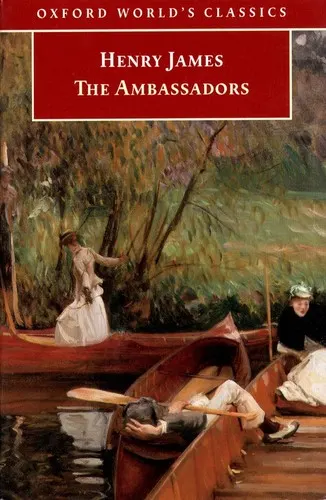
Lambert Strether is sent from America to Paris to retrieve a young man who has supposedly gone astray. Instead, Paris makes Strether wonder whether his own dutiful, postponed existence is the greater mistake. That premise opens into an exquisite drama of belated possibility, misreading, and the dangerous beauty of lives imagined from the outside.
A lover of Flaubert will recognize the discrepancy between what people feel, what they say, and what they actually do. James renders that discrepancy from within consciousness: qualifications, hesitations, and revised impressions become as suspenseful as action. Often named among James’s masterpieces, The Ambassadors offers one of fiction’s most haunting examinations of the fear that life has happened elsewhere—and of the illusions created when one tries to recover it.
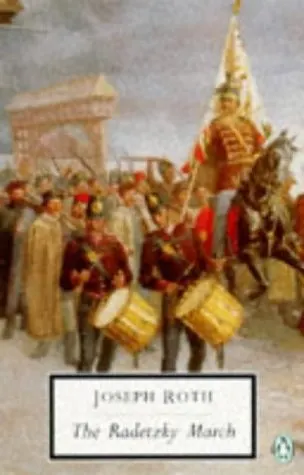
Roth follows three generations of the Trotta family as their fortunes become entangled with the aging Habsburg Empire. Its officers, officials, and provincial grandees inhabit ceremonies whose authority is fading even as they continue to obey them. Roth watches them with a rare mixture of tenderness and irony: they are ridiculous, trapped, dignified, and doomed to misunderstand the age carrying them along.
This is the closest match to Flaubert’s ability to make private disappointment and public history occupy the same sentence. Great events do not ennoble the characters; they expose their passivity, habits, and borrowed beliefs. The Radetzky March is generally considered Roth’s masterpiece, and its lucid, melancholy prose gives civilizational decline an intimacy few historical novels achieve. Missing it would mean missing one of the great European novels about people living inside a world that has already begun to vanish.