Author
Books like George MacDonald
3 books we recommend to George MacDonald readers, drawn from Phantastes and Lilith — each with the reason why.
If you loved Phantastes
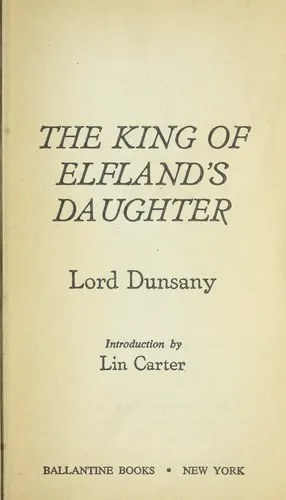
The elders of Erl demand that their ruler bring magic into their ordinary land, so Prince Alveric crosses the twilight border of Elfland to seek its king’s daughter. From there, Dunsany creates one of modern fantasy’s foundational masterpieces: stately, strange, and steeped in the sorrow of wanting incompatible worlds at once.
His incantatory prose gives distance, moonlight, bells, and passing years an almost physical enchantment. Like MacDonald, he understands that Faerie is compelling because it cannot be safely possessed; beauty brings longing, and longing changes the person who follows it. Few novels reproduce the haunting afterglow of Phantastes so completely.
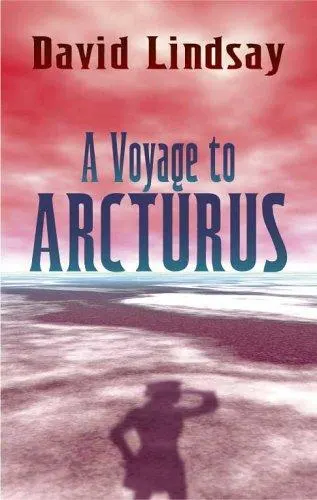
A séance in a London house becomes the departure point for Maskull’s journey to the planet Tormance, where landscapes, senses, and even bodies alter as competing visions of existence take form. Lindsay uses fantasy as MacDonald did at his boldest: not for escape, but to make spiritual conflict tangible.
This is harsher and more feverish than Phantastes, yet it shares its episodic pilgrimage, seductive figures, treacherous beauty, and conviction that every outward marvel exposes something within the traveler. Initially neglected, it became one of fantasy’s great cult novels; C. S. Lewis, MacDonald’s most celebrated advocate, acknowledged its profound influence on his own planetary fiction. It is an unsettling book, but almost no other novel attempts so much—or leaves such singular images behind.
If you loved Lilith
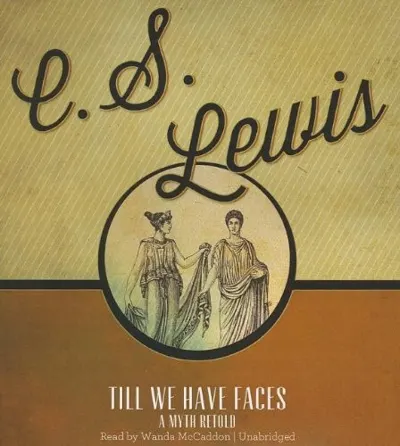
Orual, the scarred queen of Glome, begins by writing an accusation against the gods. Her beloved sister Psyche has been taken from her, and she intends to expose divine injustice plainly and rationally. Yet the force of her own testimony gradually reveals how difficult it is to distinguish love from possession—or honesty from the stories pride tells about itself.
That is the deepest bridge to Lilith: both books ask whether the self can meet truth without first surrendering the mask by which it survives. Lewis replaces MacDonald’s shifting dream-country with an extraordinarily persuasive human voice, but the spiritual pressure is similar and equally relentless. Often regarded as Lewis’s finest novel—and the one he himself valued most highly—it gives myth the density of lived experience. If Lilith’s mingling of terror, mercy, and self-unmaking stayed with you, Till We Have Faces is indispensable.