Books like Lilith
In an inherited library, a solitary young man glimpses the long-dead librarian slipping between books—and follows him toward a world where death may be the beginning.
If you liked Lilith, you’ll love these
Not lookalikes — kindred books. Each one shares something essential with Lilith, and we tell you exactly what.
MacDonald’s earlier masterpiece is less severe than Lilith but just as dream-governed: a young man enters Faerie, where forests possess moral atmospheres, beauty can imperil the soul, and every encounter seems at once literal and symbolic. Its marvels never collapse into a tidy allegorical code; they work inwardly, as dreams do.
The kinship lies especially in MacDonald’s understanding of desire. Longing can educate, deceive, humble, and remake a person. C. S. Lewis famously said Phantastes “baptized” his imagination, and its influence runs through modern fantasy—but its real distinction is still its uncanny intimacy. Anyone moved by Lilith should experience the book in which MacDonald first perfected this strange, luminous mode.
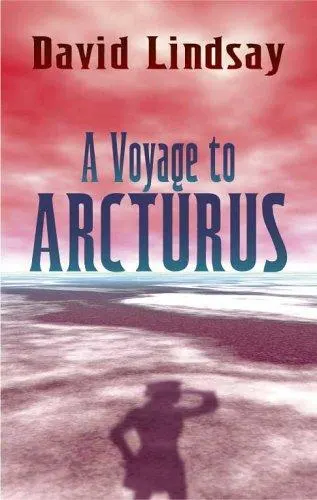
This cult classic takes Lilith’s metaphysical quest and makes it harsher, stranger, and more volatile. Maskull travels to the planet Tormance, where new sensory organs appear on his body and each region embodies a different answer to the question of what existence is for. Philosophy becomes weather, landscape, appetite, and pain.
Lindsay does not share MacDonald’s consoling theology, but he shares his refusal to make fantasy merely decorative. Both novels feel discovered rather than constructed, as though their authors had returned from impossible countries with imperfect reports. A Voyage to Arcturus influenced C. S. Lewis’s planetary fiction and has inspired fierce devotion precisely because nothing else delivers its combination of visionary beauty, spiritual danger, and uncompromising argument.
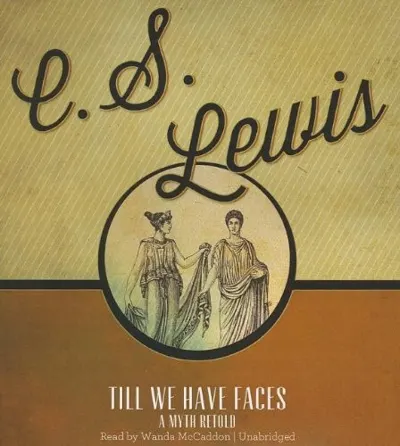
Orual, the scarred queen of Glome, begins by writing an accusation against the gods. Her beloved sister Psyche has been taken from her, and she intends to expose divine injustice plainly and rationally. Yet the force of her own testimony gradually reveals how difficult it is to distinguish love from possession—or honesty from the stories pride tells about itself.
That is the deepest bridge to Lilith: both books ask whether the self can meet truth without first surrendering the mask by which it survives. Lewis replaces MacDonald’s shifting dream-country with an extraordinarily persuasive human voice, but the spiritual pressure is similar and equally relentless. Often regarded as Lewis’s finest novel—and the one he himself valued most highly—it gives myth the density of lived experience. If Lilith’s mingling of terror, mercy, and self-unmaking stayed with you, Till We Have Faces is indispensable.