Author
Books like Esi Edugyan
3 books we recommend to Esi Edugyan readers, drawn from Half-Blood Blues — each with the reason why.
If you loved Half-Blood Blues
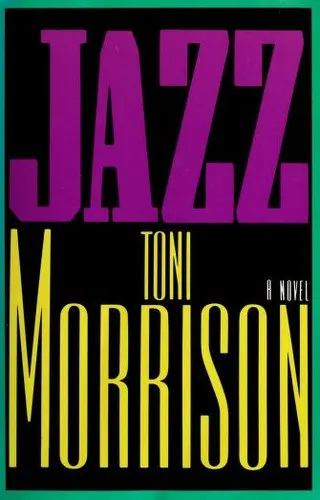
Morrison does not merely write about jazz; she makes a novel behave like it. Voices interrupt, revise, and improvise upon one another as the story circles a violent act in 1920s Harlem. Like Sid’s narration in Half-Blood Blues, every account is charged with longing and distorted by what its teller needs to believe.
The kinship lies especially in the way private betrayals absorb the pressure of Black history without becoming historical illustrations. Morrison’s language can be sensuous, sly, and suddenly devastating, while the narrator itself seems to discover that it cannot fully control the people it describes. One of Morrison’s boldest formal achievements, Jazz offers the rare exhilaration of prose that feels composed and performed at once.
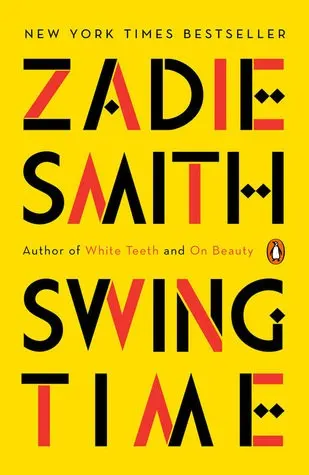
If the relationship between Sid and Hiero fascinated you—the mixture of devotion, dependence, resentment, and awe—Swing Time is essential. Its unnamed narrator looks back on her childhood bond with Tracey, a girl whose talent for dance is unmistakable. Their friendship becomes a lifelong argument about ability, ambition, race, and who gets to turn art into a life.
Smith is wonderfully exact about the humiliations of standing beside someone more gifted, and about the stories less brilliant people tell themselves to survive that proximity. Moving backward and forward through memory, the novel gradually exposes the narrator’s evasions without reducing her to a villain. It has Edugyan’s acute understanding that admiration can conceal a wish to possess, diminish, or betray the person admired—and that retrospective honesty often arrives too late.
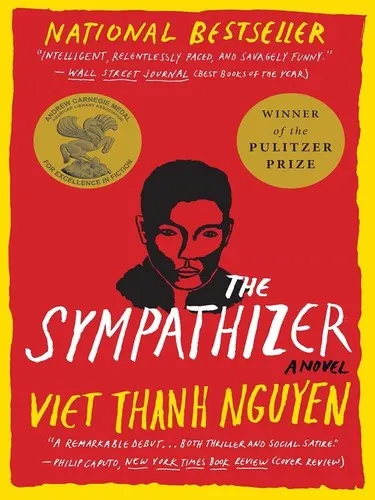
Nguyen’s Pulitzer Prize-winning novel begins as the confession of a divided man: a Vietnamese army officer who is also a Communist spy. Its subject is different, but its deepest pleasures closely match Half-Blood Blues—the seductive first-person voice, the unstable recollection of political catastrophe, and the question of whether narration is confession, self-defense, or performance.
The prose is intellectually fierce and blackly funny, shifting from farce to horror without losing control. Like Edugyan, Nguyen restores complexity to people whom conventional history pushes to the margins, while refusing to make his narrator morally tidy. The result is a historical novel with the pressure and intimacy of an interrogation: brilliant, compromised, and impossible to take entirely at its word.