Author
Books like E. M. Forster
6 books we recommend to E. M. Forster readers, drawn from A Room with a View and Maurice — each with the reason why.
If you loved A Room with a View
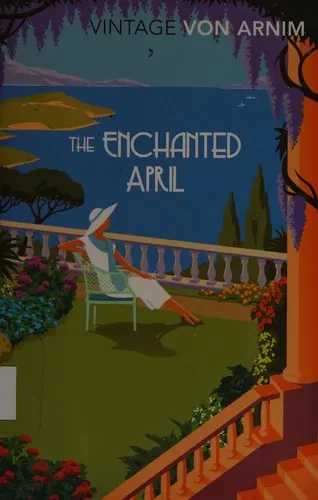
Four Englishwomen, variously neglected or confined by their respectable lives, rent an Italian castle together. The kinship with Forster lies not merely in Italy but in the delicious way liberation begins: through sunlight, privacy, beauty, and temporary freedom from the people who have decided who one must be.
Von Arnim’s comedy is sharper than the novel’s idyllic reputation suggests. She notices vanity, possessiveness, disappointment, and marital absurdity with a Forster-like mixture of mischief and mercy. Yet the book’s enduring enchantment comes from its faith that people can become more generous when given room to breathe. Few novels make happiness feel so intelligent—or so deserved.
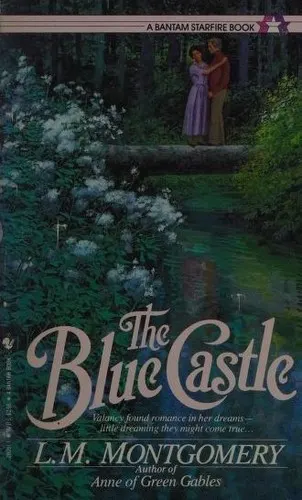
Valancy Stirling has spent her life being managed by a clan whose weapons are propriety, ridicule, and supposedly loving concern. Then, at twenty-nine, startling news prompts her to stop obeying. Her rebellion is exhilarating because Montgomery understands, as Forster does, that convention survives not only through rules but through embarrassment: the fear of appearing foolish, selfish, or improper.
Best known for Anne of Green Gables, Montgomery brings the same quick eye for hypocrisy to this compact adult fairy tale, but with a more defiant romantic charge. Valancy’s first acts of honesty are as satisfying as any grand adventure, and the wilderness surrounding her becomes what Forster’s Italy is for Lucy Honeychurch: a landscape in which sensation restores moral courage. Its devoted readership is right to treasure it as a novel of belated but glorious self-possession.
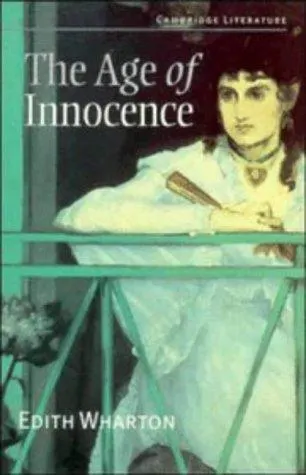
If A Room with a View asks whether desire can break through good manners, Wharton’s Pulitzer Prize-winning novel examines how formidable those manners can become when an entire society enforces them. Newland Archer is engaged to the impeccably suitable May Welland when the unconventional Countess Olenska returns to New York, making visible all the desires and judgments that polite society prefers to leave unspoken.
Wharton’s social comedy has Forster’s precision but a colder gleam: a visit, a flower, or an opera box can carry the force of a verdict. Yet this is no mechanical tale of repression. Its greatness lies in Wharton’s understanding that duty may contain tenderness, rebellion may contain vanity, and people often recognize freedom before they can bear its cost. Reading it after Forster reveals the darker, magnificent counterpart to Lucy’s awakening—and its final pages have earned their place among the most haunting in the modern novel.
If you loved Maurice

Renault writes with the same thrilling restraint as Forster: glances, pauses, and apparently casual remarks carry whole emotional arguments. Recovering from a wartime injury, Laurie Odell must decide what kind of love—and what kind of manhood—he can respect. The romance is inseparable from questions of honesty, loyalty, and self-knowledge.
Published in 1953, when its candor required considerable courage, The Charioteer became a formative classic for generations of gay readers. It is more morally intricate than Maurice but equally alert to the damage done by shame. If Forster’s tenderness and intelligence mattered as much as his happy rebellion, Renault is essential.
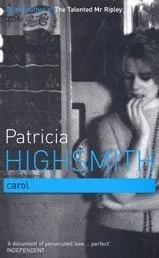
Like Maurice, this novel performs a radical act simply by refusing to treat queer desire as a diagnosis or a prelude to punishment. Therese, a young shop assistant unsure what she wants from life, meets the poised, magnetic Carol across a department-store counter; Highsmith makes the resulting recognition feel both instantaneous and mysterious.
The prose is lucid, tense, and sensuous, catching the terrifying exhilaration of discovering that another life may be possible. First published pseudonymously in 1952, it became famous among lesbian readers for offering what contemporary fiction almost never did: hope without sentimentality. Its influence is immense, but its real distinction is intimate—the unforgettable feeling of possibility opening where society insists there is none.
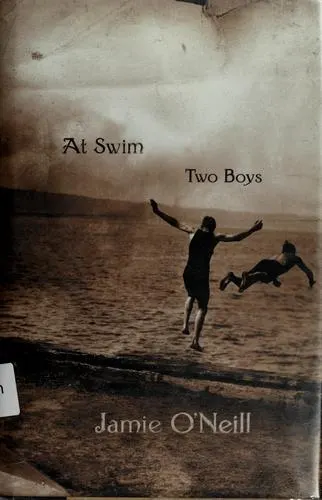
O’Neill amplifies the pastoral, bodily freedom glimpsed in Maurice into something lush, comic, and politically charged. In Dublin before the Easter Rising, schoolboys Jim Mack and Doyler Doyle make a pact to swim together to the Muglins rock. Their growing intimacy crosses boundaries of class, religion, and respectability while the adults around them argue over what freedom should mean.
The kinship lies not merely in forbidden love but in the novel’s conviction that private happiness can expose the falseness of an entire social order. O’Neill’s exuberant, Joyce-inflected language gives desire a physical world of salt water, mud, jokes, fear, and longing. Winner of the Lambda Literary Award, At Swim, Two Boys has earned devoted readers because it is at once an ardent love story and a magnificent novel about liberation itself.