
Books like The Enchanted April
Reading it is like opening a shutter in a stuffy room: sunlight pours over loneliness, resentment, and social constraint, and suddenly change seems not only possible but natural. These novels share that rare mixture of wit, emotional release, and faith that neglected lives can flower.
If you liked The Enchanted April, you’ll love these
Not lookalikes — kindred books. Each one shares something essential with The Enchanted April, and we tell you exactly what.

Miss Pettigrew, an impoverished governess, arrives at the wrong address and is swept into the glamorous, chaotic life of a nightclub singer. What follows has the buoyancy of farce, but its real subject is liberation: a woman accustomed to being overlooked discovers that judgment, courage, and appetite have been waiting beneath her timidity.
Like von Arnim, Watson transforms her heroine without sentimentality. The comedy is brisk, the clothes and rooms sparkle, and every social mishap enlarges rather than humiliates Miss Pettigrew. Long neglected after its 1938 publication, the novel became one of Persephone Books’ most beloved rediscoveries—and its devoted following is deserved. Few books deliver such concentrated exhilaration.
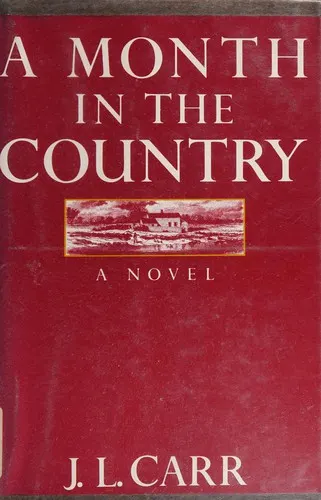
A damaged veteran spends a summer in a Yorkshire village uncovering a medieval wall painting in a church. The work is quiet and painstaking; around it gather warm weather, eccentric neighbors, tentative friendships, and the almost frightening possibility of contentment.
Carr’s Booker-shortlisted novel shares von Arnim’s understanding that a temporary refuge can reveal a permanent truth: misery is not always identity, and beauty can restore capacities one thought lost. Yet its radiance is touched by hindsight, making every ordinary pleasure—food, conversation, sunlight, useful work—feel precious. This slender modern classic is read and reread with unusual tenderness; missing it means missing one of fiction’s purest evocations of happiness briefly recognized.
The Stevens family take their annual seaside holiday at Bognor Regis: trains must be caught, lodgings inspected, meals negotiated, and familiar walks resumed. Sherriff makes these modest events absorbing because he notices how much hope, anxiety, ritual, and love can be contained in an ordinary family’s two weeks away.
Where The Enchanted April finds enchantment in an Italian castle, Sherriff finds it in careful planning, shared jokes, sea air, and freedom from daily roles. His sympathy extends to every family member without turning anyone into a quaint type. A success on publication and later rescued from neglect by Persephone Books, it has become a cherished comfort novel—but it is also a beautifully exact study of time passing. Its gentleness is not slightness; by the end, commonplace happiness feels miraculous.